While spring may be a quieter time for traditional hunting in Texas, it’s the perfect season to start planning and preparing for a successful fall hunting season. Whether you’re managing a free-range, low-fence property or you’re just beginning to get serious about wildlife management, there are key steps you can take now to ensure a thriving hunting environment come the cooler months.
Enhance Wildlife Nutrition
Spring is a great time to start focusing on the nutritional needs of wildlife on your ranch. While you may not be actively hunting yet, the animals are preparing for the coming months, and providing them with proper nutrition can ensure a healthy population.
Feeders: If you don’t already have them, consider setting up feeders to supplement natural forage. This is especially important for properties without formal wildlife management programs. Protein, corn, and other supplemental foods can help your game animals stay healthy and grow strong, particularly as they move into the fall breeding season.

Forage Planning: Planting a variety of forages can make your land more attractive to wildlife. Consider planting food plots with species like clover, alfalfa, and ryegrass, which are not only great for attracting animals but also provide important nutrients during times when natural food sources may be scarce.
Establish or Maintain Water Sources
Water is critical for wildlife health, and maintaining or creating water sources on your property can make a significant difference in attracting and sustaining game populations.
Ponds and Troughs: If your property lacks natural water sources, consider installing ponds, stock tanks, or water troughs to ensure wildlife have consistent access to water throughout the year.
Monitor Wildlife Habitats and Improve Shelter
Creating the right habitats and providing proper cover can make a big difference in how comfortable and safe your wildlife feel.
Brush Management: Wildlife will often use dense brush areas for cover and bedding. Managing brush properly (without clearing too much) can help create safe spaces for game animals to thrive.
Habitat Diversification: Providing a variety of habitats—such as thickets, open grasslands, and woody areas—will support a greater diversity of wildlife species and make your property more appealing come hunting season.
Understanding Free-Range and Low-Fence Challenges
Managing wildlife on a free-range or low-fence property can come with unique challenges, especially for beginners. While larger, high-fenced ranches often have more control over their game populations, free-range properties require a slightly different approach.
Wildlife Surveys: Consider conducting wildlife surveys to gauge the health and numbers of game animals on your property. Cameras, game trail monitoring, and observation can help you track animal activity and determine areas in need of improvement.
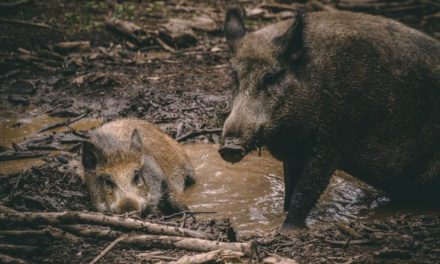
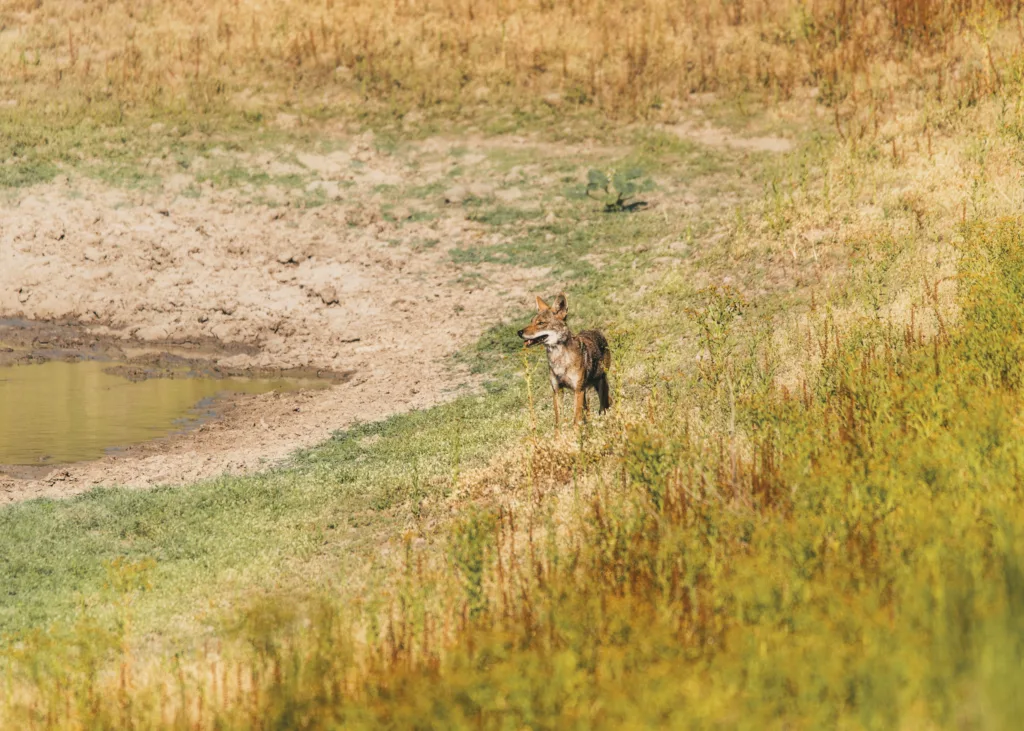
Predator Control: Predators can have a significant impact on your game populations. Keep an eye on predators like coyotes, wild hogs, and bobcats, which may pose threats to young or weaker wildlife. Consider setting up predator traps or working with a local service to manage the predator population effectively.
Start a Wildlife Management Plan for Beginners
If you’re new to wildlife management or operating a ranch with minimal infrastructure, now is the time to start developing a plan.
Long-Term Goals: Establish your goals for wildlife management and set a realistic timeline. Whether you’re working on improving game numbers, enhancing habitat, or boosting hunting quality, having clear, achievable objectives will help guide your efforts.
Track Success: Keep a detailed log of your efforts and track changes over time. Documenting how your land and wildlife respond to your actions can help you make smarter, more informed decisions down the road.