
Mule Deer
Odocoileus hemionus · (oh-doh-KOY-lee-us hee-MEE-uh-nus)
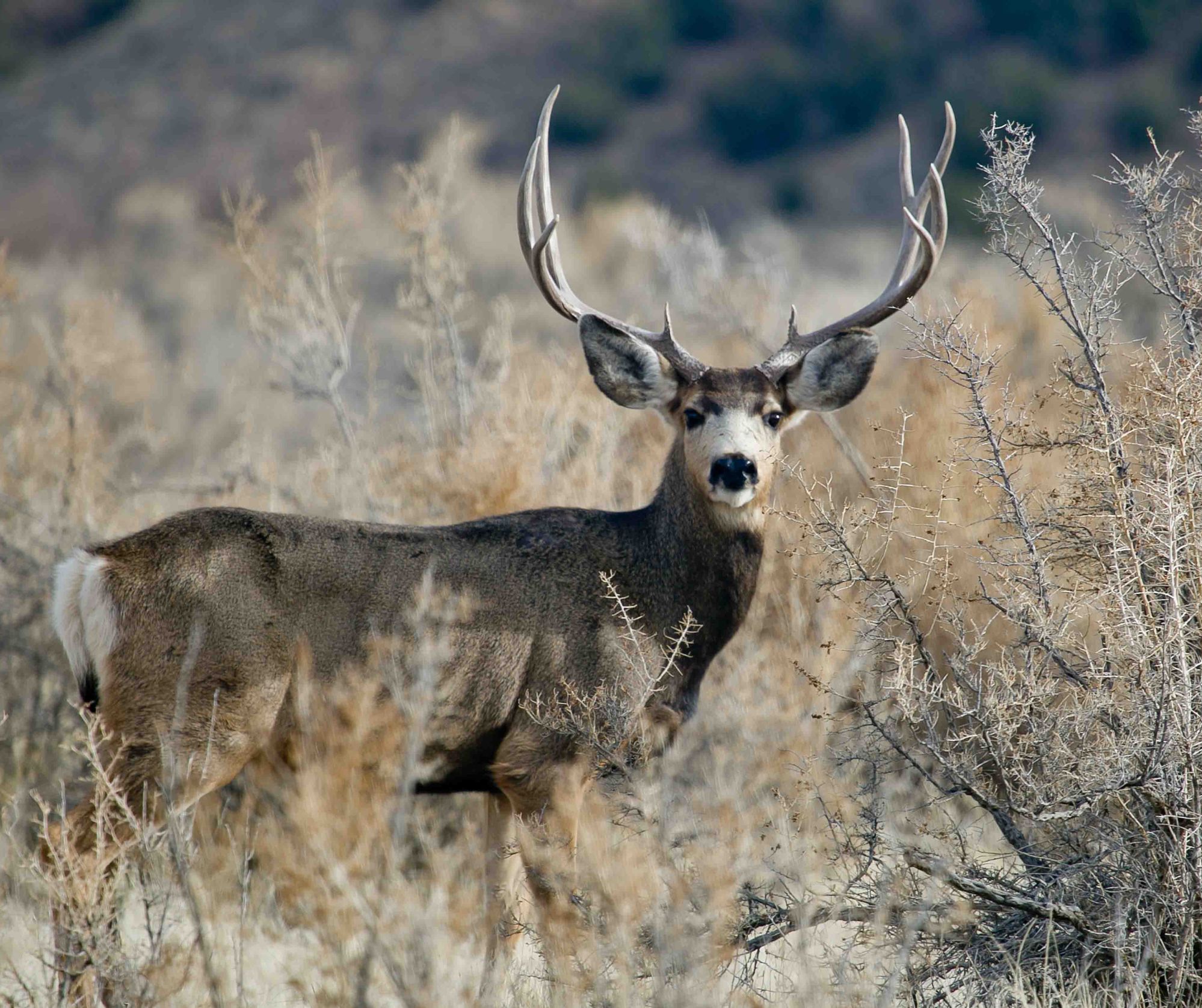
A species of deer native to western North America. They are named for their large ears that resemble those of a mule. Mule deer are known for their agility and leaping ability, which helps them navigate their natural habitat of forests, grasslands, and deserts. They are herbivores, feeding on a variety of vegetation including shrubs, leaves, and grasses. Mule deer are also valued as game animals, attracting hunters due to their size and antlers, which are shed and regrown annually. In Texas, mule deer are an important game species, attracting hunters for their challenging behavior and prized antlers. They are managed through regulated hunting seasons and conservation efforts to maintain healthy populations across their range in the state.
Archery season
Zone - Panhandle
Starts September 27, 2025
Ends November 21, 2025
Zone - Trans-Pecos
Starts September 27, 2025
Ends November 27, 2025
General season
Zone - Panhandle
Starts November 22, 2025
Ends December 7, 2025
Zone - Trans-Pecos
Starts November 28, 2025
Ends December 14, 2025
Pronghorn
Antilocapra americana · (Ant-i-lo-KAP-ruh uh-MER-i-KAY-nuh)
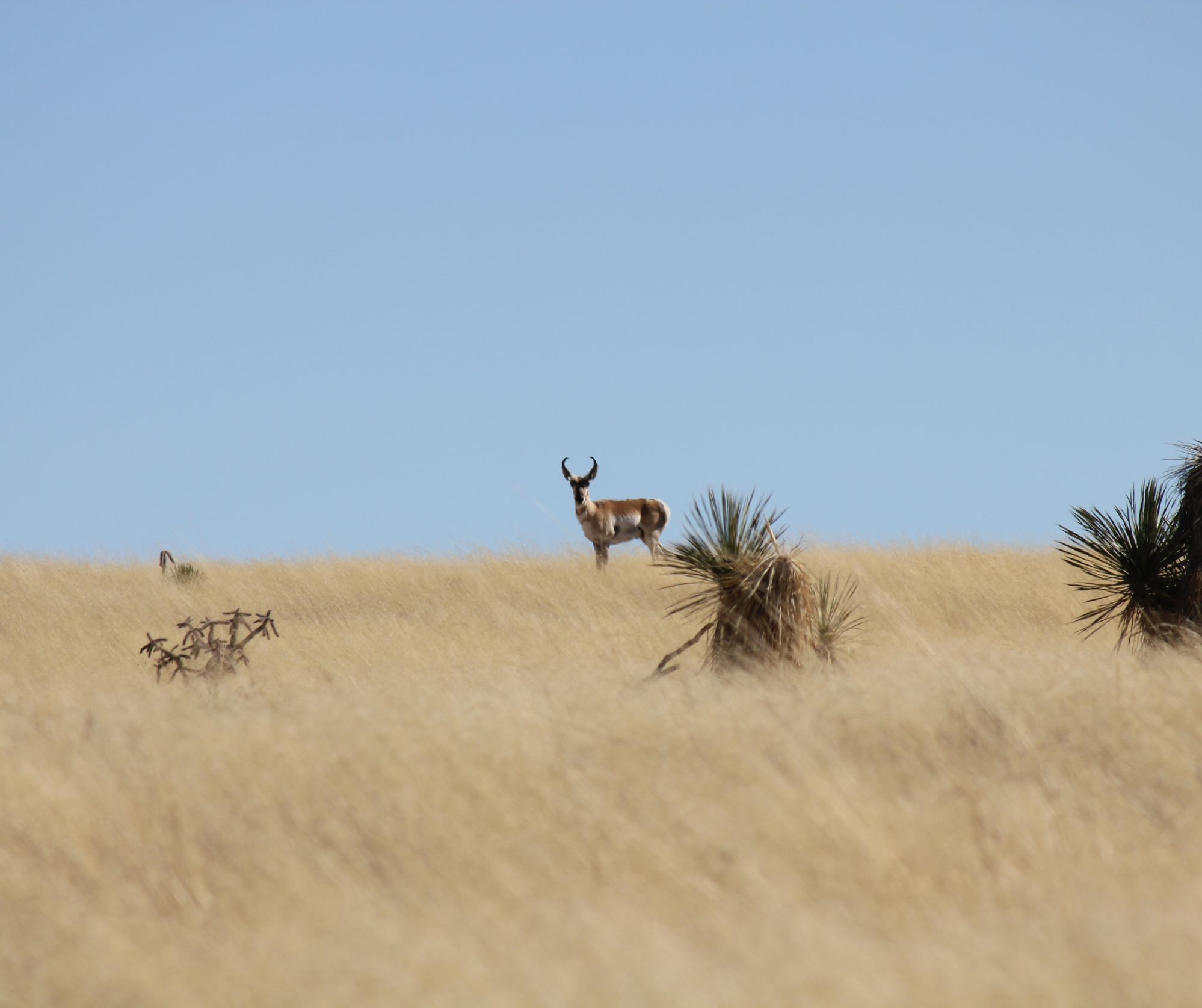
A species of ungulate native to western North America, often referred to as an antelope. Pronghorn are known for their incredible speed, capable of running at speeds up to 55 miles per hour, making them one of the fastest land animals in the Western Hemisphere. They have distinct horns with a prong shape, hence their name, which are shed and regrown annually. Pronghorn primarily feed on grasses and other vegetation found in open grasslands and desert scrub habitats. They are highly adapted to the dry, arid environments of the western United States and are a valued species for wildlife enthusiasts and hunters alike. Conservation efforts aim to maintain healthy populations across their range.
General season
Zone - 41 of 254 counties
Starts October 4, 2025
Ends October 19, 2025
White-tailed Deer
Odocoileus virginianus · (oh-doh-KOY-lee-us ver-jin-ee-AY-nus)
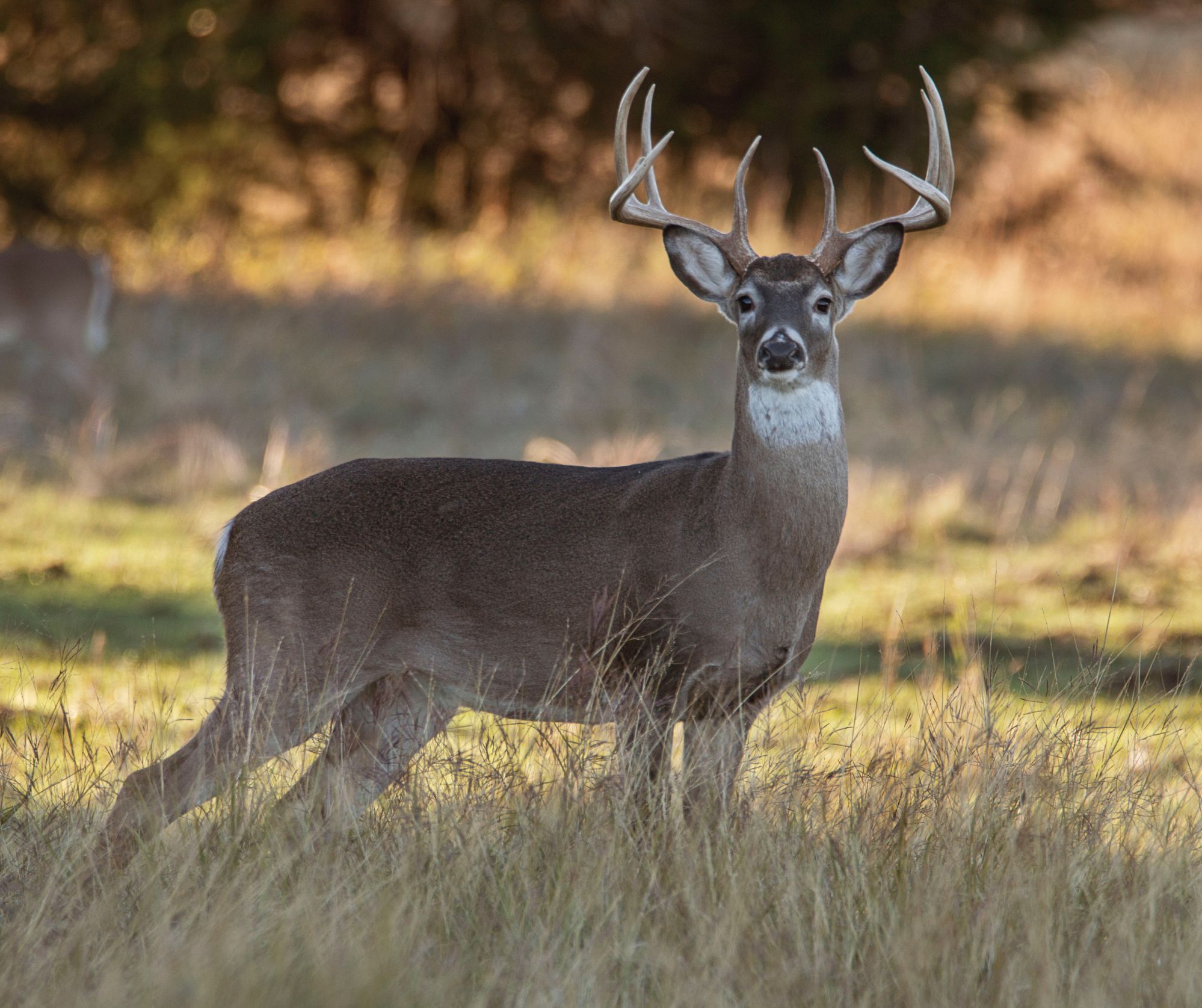
A species of deer found throughout the United States, Canada, Mexico, Central America, and South America. White-tailed deer are named for the white underside of their tail, which they flash as a warning signal when alarmed. They are herbivores, feeding on a variety of vegetation including grasses, leaves, fruits, and nuts. They are adaptable to various habitats including forests, swamps, and brushlands. White-tailed deer are highly valued as game animals for their meat and antlers, which are shed and regrown annually.
Archery season
Zone - 252 of 254 counties
Starts September 27, 2025
Ends October 31, 2025
General season
Zone - North
Starts November 1, 2025
Ends January 4, 2026
Zone - South
Starts November 1, 2025
Ends January 18, 2026
Muzzleloader season
Zone - 90 of 254 counties
Starts January 5, 2026
Ends January 18, 2026
Special Late season
Zone - North
Starts January 6, 2026
Ends January 18, 2025
Zone - South
Starts January 19, 2026
Ends February 1, 2026
Youth-Only season
Zone - South
Starts October 25, 2024
Ends October 27, 2024
Zone - South
Starts January 6, 2025
Ends January 19, 2025
Youth-Only Early Season season
Zone - General
Starts October 24, 2025
Ends October 26, 2025
Youth-Only Late Season season
Zone - General
Starts January 5, 2026
Ends January 18, 2026
Javelina
Pecari tajacu · (peh-KAH-ree tah-JAH-koo)
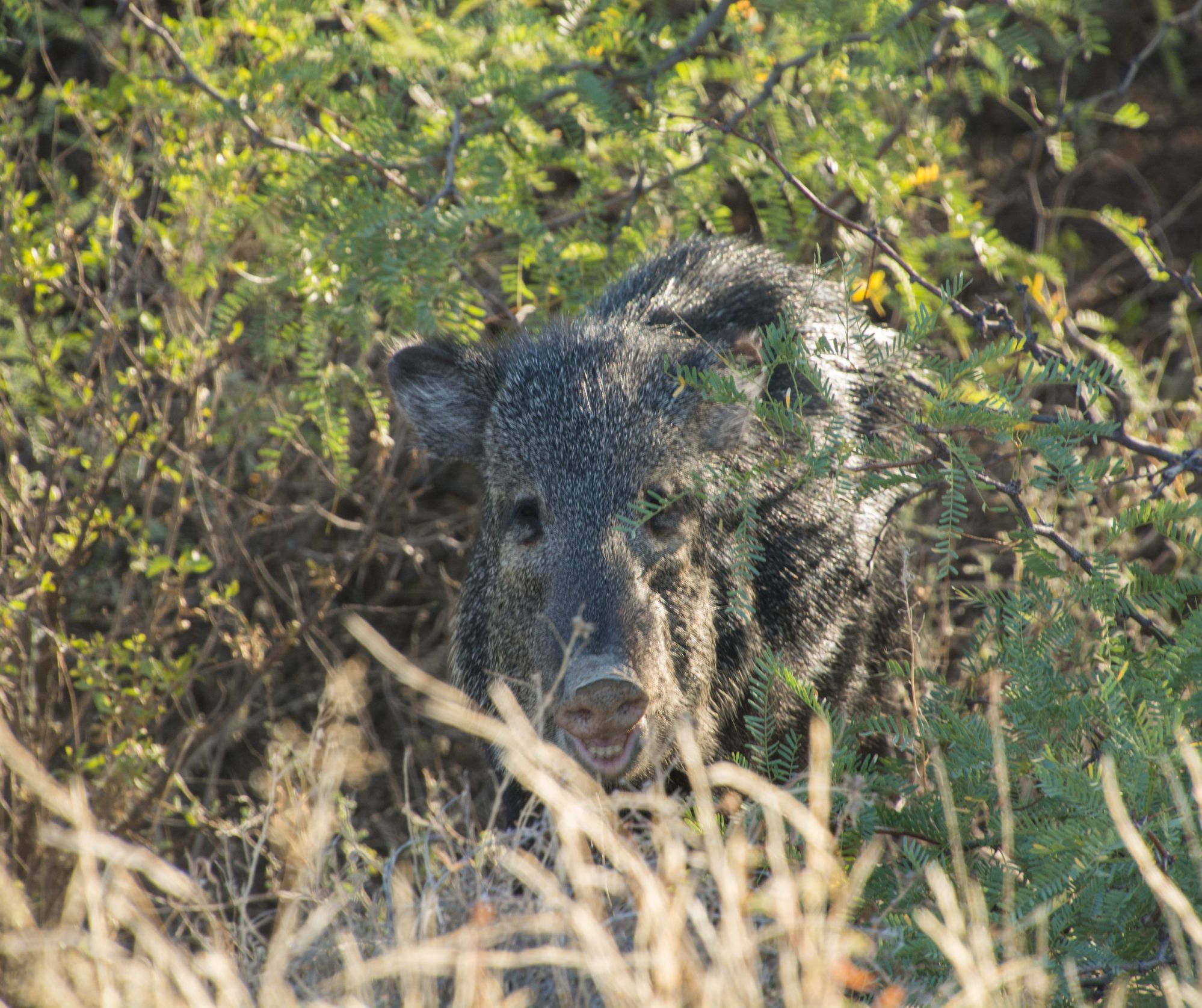
Also known as collared peccary, javelina are medium-sized hoofed mammals native to North, Central, and South America. They are recognized by their dark gray to blackish coat and white collar around the neck. Javelina are primarily herbivores, feeding on cacti, roots, fruits, and tubers. They are social animals, often found in groups called "sounders," and are known for their strong sense of smell and hearing.
General season
Zone - South
Starts September 1, 2025
Ends August 31, 2026
Zone - North
Starts October 1, 2025
Ends February 22, 2026
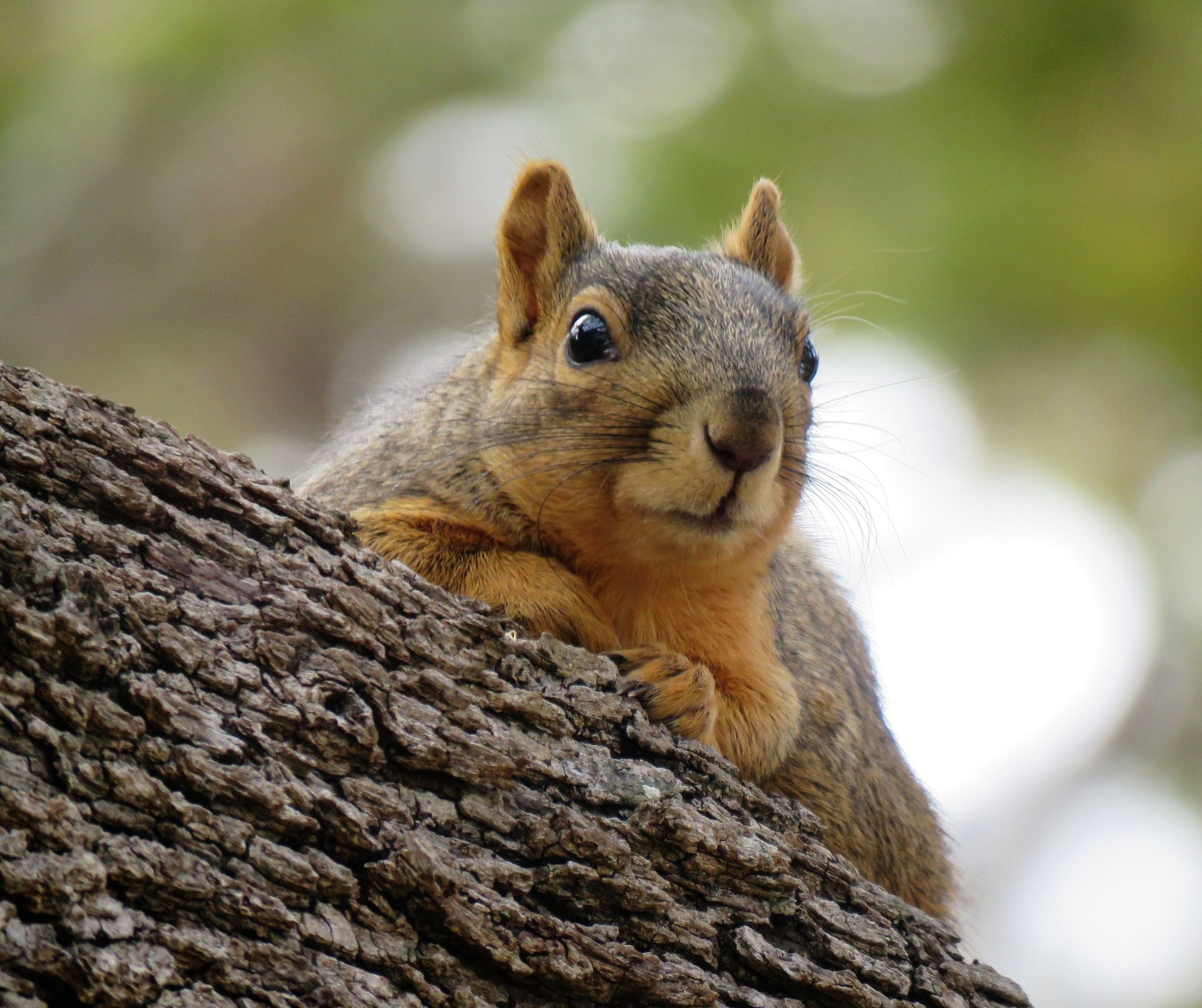
Squirrel
Sciurus spp. · (SKYE-yur-us)
Squirrels are small to medium-sized rodents found worldwide, with numerous species inhabiting various ecosystems from forests to urban areas. They are characterized by their bushy tails, sharp claws for climbing, and strong jaws for gnawing. Squirrels are omnivores, feeding on nuts, seeds, fruits, insects, bird eggs, and occasionally small vertebrates. They play a significant role in forest ecology by dispersing seeds and nuts.
General season
Zone - Other open counties
Starts September 1, 2025
Ends August 31, 2026
Youth-Only season
Zone - East Texas
Starts September 26, 2025
Ends September 28, 2025
General season
Zone - East Texas
Starts October 1, 2025
Ends February 22, 2026
Zone - East Texas
Starts May 1, 2026
Ends May 31, 2026
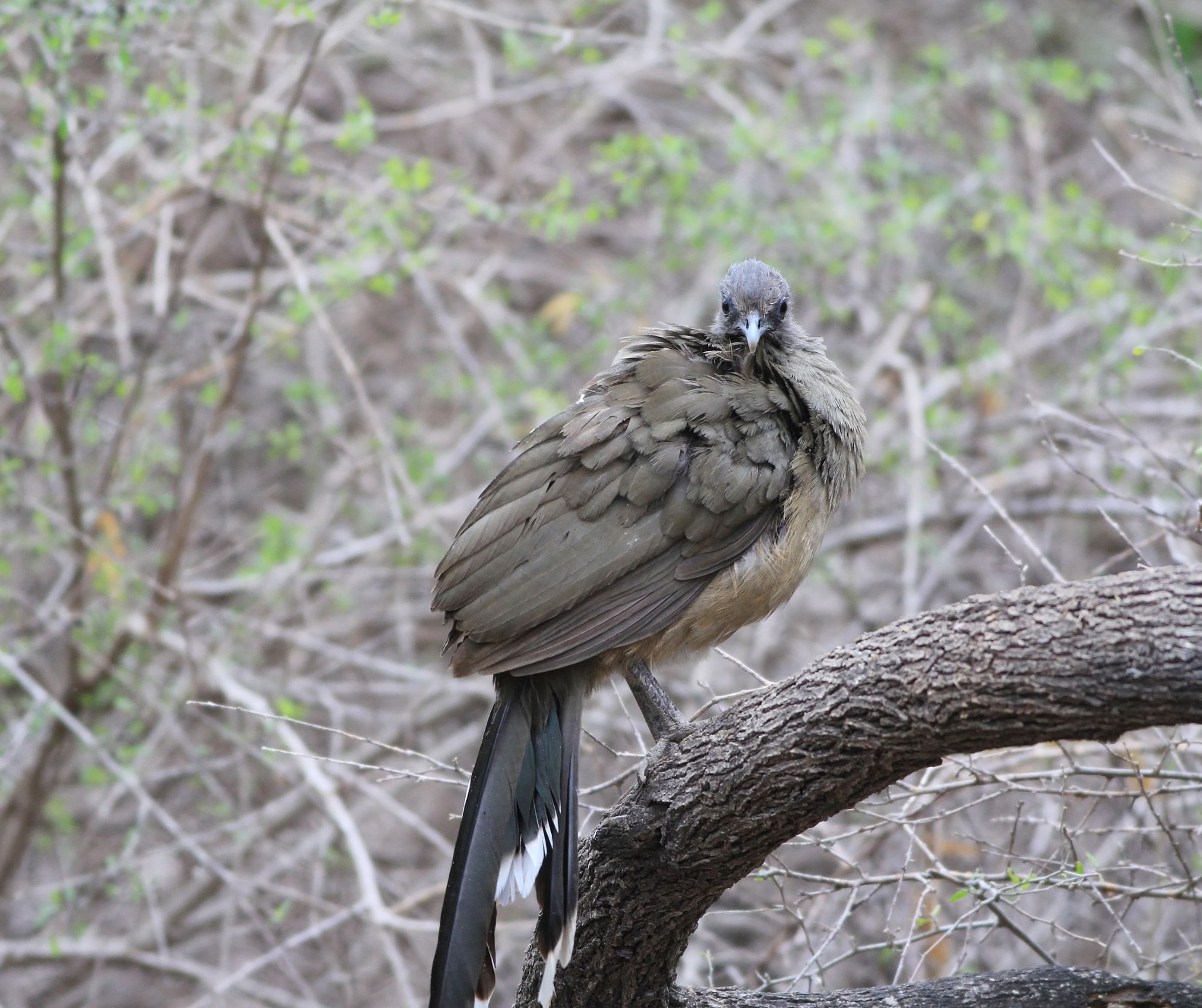
Chachalaca
Ortalis vetula · (OR-tah-lis veh-TOO-lah)
Chachalacas are medium-sized birds native to the subtropical and tropical regions of the Americas, including parts of the southern United States. They are known for their loud and distinctive calls, often heard at dawn and dusk. Chachalacas are primarily herbivorous, feeding on fruits, seeds, flowers, and leaves. They inhabit dense forests and scrublands and are notable for their social behavior, often seen in family groups or small flocks.
Regular season
Zone - Cameron, Hidalgo, Starr & Willacy Counties
Starts October 25, 2025
Ends February 22, 2026
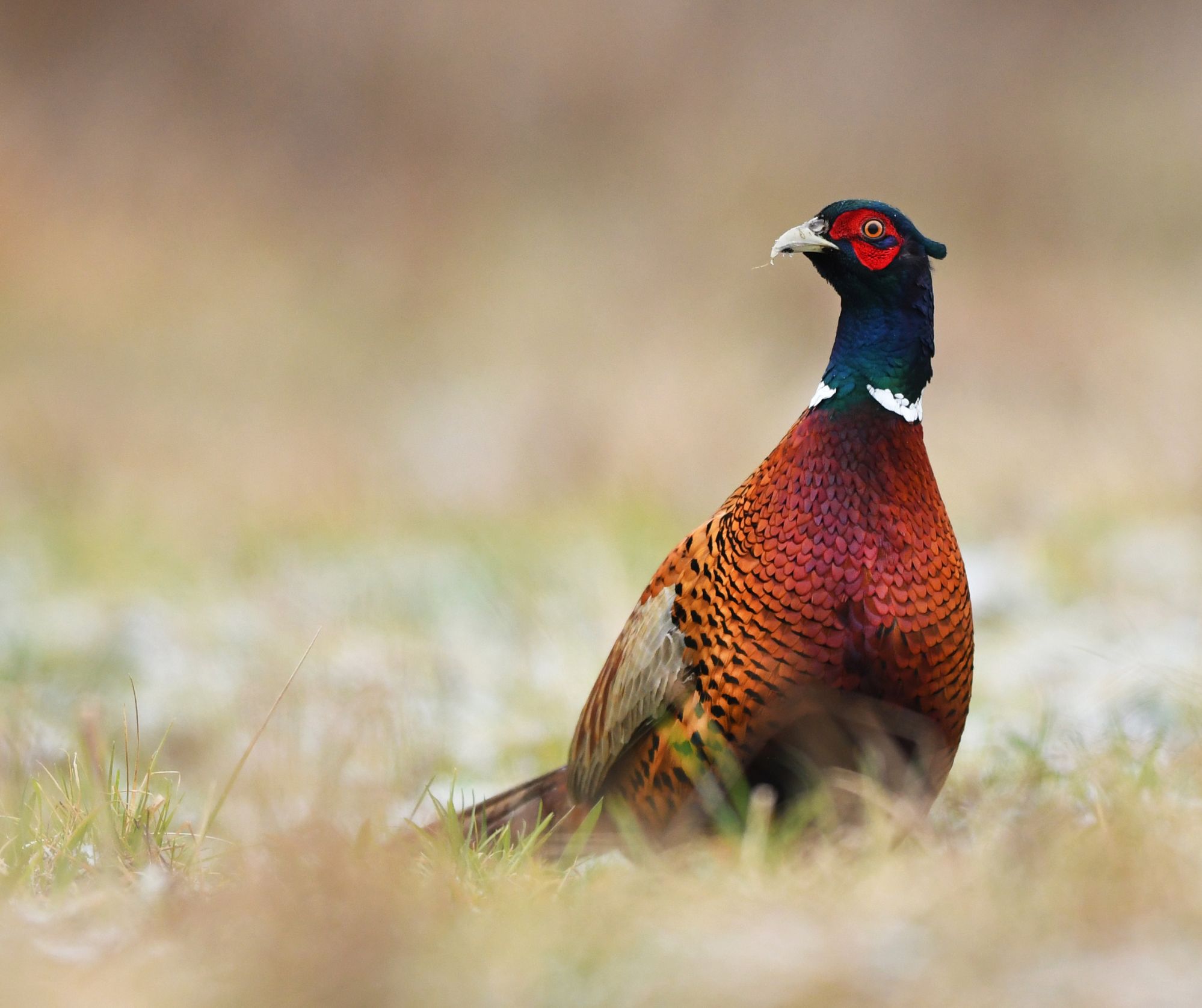
Pheasant
Phasianus colchicus · (fay-ZEE-an-us kol-KEE-kus)
Pheasants are colorful game birds native to Asia but widely introduced for hunting purposes in many parts of the world, including North America. They are known for their striking plumage, with males exhibiting bright colors and long tail feathers. Pheasants are omnivorous, feeding on seeds, grains, insects, and small vertebrates. They are popular game birds, prized for their meat and challenging hunting behavior.
Regular season
Zone - Panhandle & South Plains
Starts December 6, 2025
Ends January 4, 2026
Quail
Genus Callipepla and others · (GEN-us kal-ih-PEP-luh)
Quail are small, ground-dwelling birds found in North and South America, Europe, Asia, and Africa. They are characterized by their compact bodies, short necks, and plump appearance. Quail species vary widely in plumage coloration and markings. They are omnivores, feeding on seeds, insects, and small invertebrates. Quail are popular game birds in many regions, valued for their meat and eggs.

Regular season
Zone - Statewide
Starts October 1, 2025
Ends February 28, 2026
Turkey
Meleagris gallopavo · (mel-uh-GRAY-is gal-uh-POH-voh)
Turkeys are large birds native to North America and parts of Central America. They are known for their distinctive fan-shaped tail and wattled neck. Wild turkeys inhabit forests, grasslands, and swamps, while domesticated turkeys are raised for meat worldwide. They are omnivores, feeding on seeds, nuts, insects, and small vertebrates. Turkeys are popular game birds and domestic livestock, especially during holiday feasts.

Archery season
Zone - Archery-only
Starts September 28, 2024
Ends November 1, 2024
Fall season
Zone - Brooks, Kenedy, Kleberg & Willacy counties
Starts November 1, 2025
Ends February 22, 2026
Zone - North
Starts November 1, 2025
Ends January 4, 2026
Zone - South
Starts November 1, 2025
Ends January 18, 2026
Zone -
Starts September 27, 2025
Ends October 31, 2025
Fall Youth-only season
Zone - North
Starts October 24, 2025
Ends October 26, 2025
Zone - North
Starts January 5, 2026
Ends January 18, 2026
Zone - South
Starts October 24, 2025
Ends October 26, 2025
Zone - South
Starts January 19, 2026
Ends February 1, 2026
Spring season
Zone - East
Starts April 22, 2026
Ends May 14, 2026
Zone - North
Starts March 28, 2026
Ends May 10, 2026
Zone - One-turkey counties
Starts April 1, 2026
Ends April 30, 2026
Zone - South
Starts March 14, 2026
Ends April 26, 2026
Spring Youth-Only season
Zone - North
Starts March 21, 2026
Ends March 22, 2026
Zone - North
Starts May 16, 2026
Ends May 17, 2026
Zone - South
Starts March 7, 2026
Ends March 8, 2026
Zone - South
Starts May 2, 2026
Ends May 3, 2026
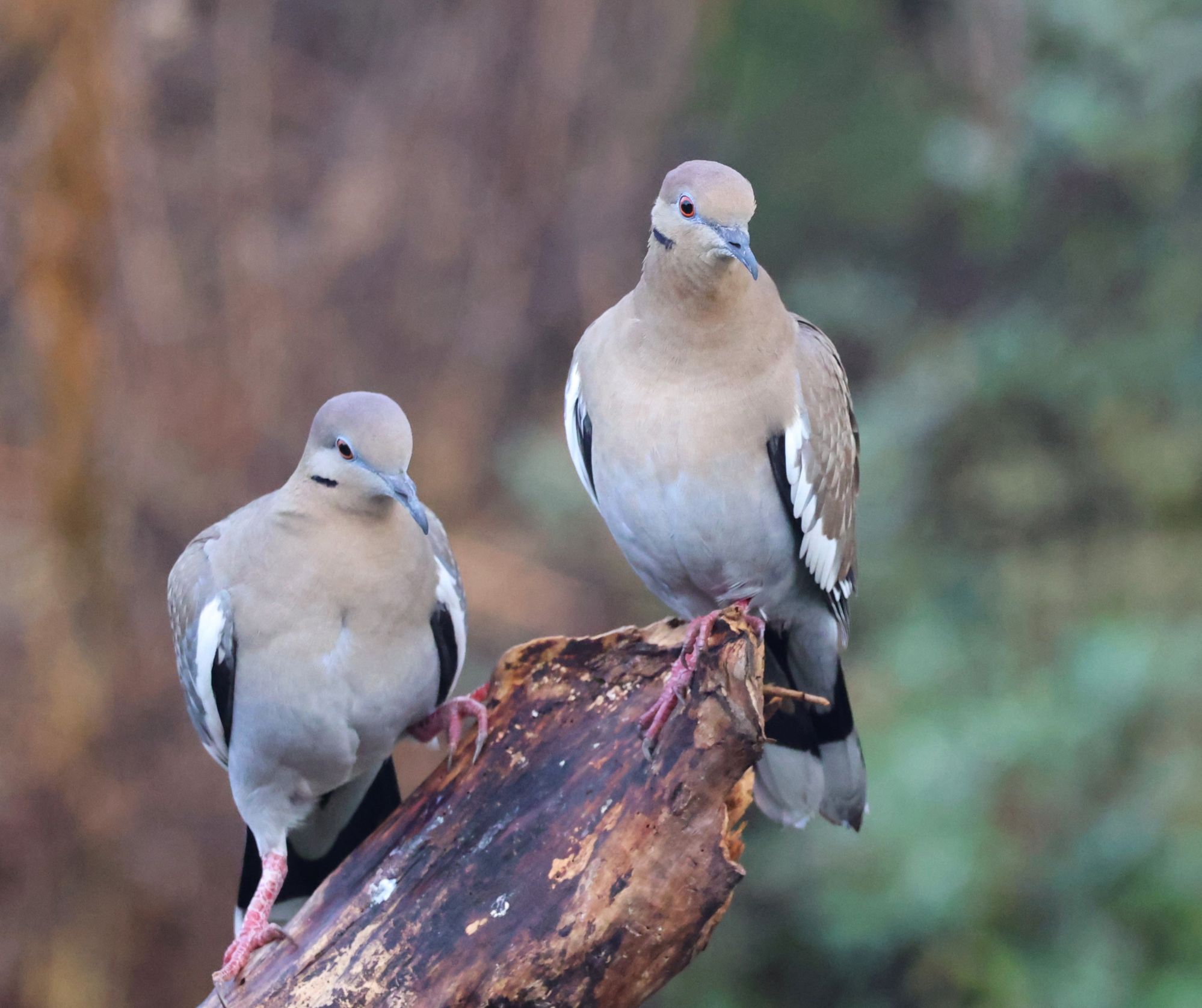
Dove
Genus Zenaida and others · (GEN-us zen-NYE-duh)
Doves are small to medium-sized birds found worldwide, inhabiting diverse habitats from forests to urban areas. They are known for their gentle cooing calls and rapid wing beats. Doves feed primarily on seeds and grains, with some species also consuming insects. They are important game birds and symbols of peace in various cultures.
Regular season
Zone - Central
Starts September 1, 2025
Ends October 26, 2025
Zone - Central
Starts December 12, 2025
Ends January 14, 2026
Zone - North
Starts September 1, 2025
Ends November 9, 2025
Zone - North
Starts December 19, 2025
Ends January 7, 2026
Zone - South
Starts September 14, 2025
Ends October 25, 2025
Zone - South
Starts December 12, 2025
Ends January 22, 2026
Special White-winged Dove Days season
Zone - South
Starts September 5, 2025
Ends September 7, 2025
Zone - South
Starts September 12, 2025
Ends September 13, 2025
Duck
Anatidae family, various species · (AN-uh-TIH-day)
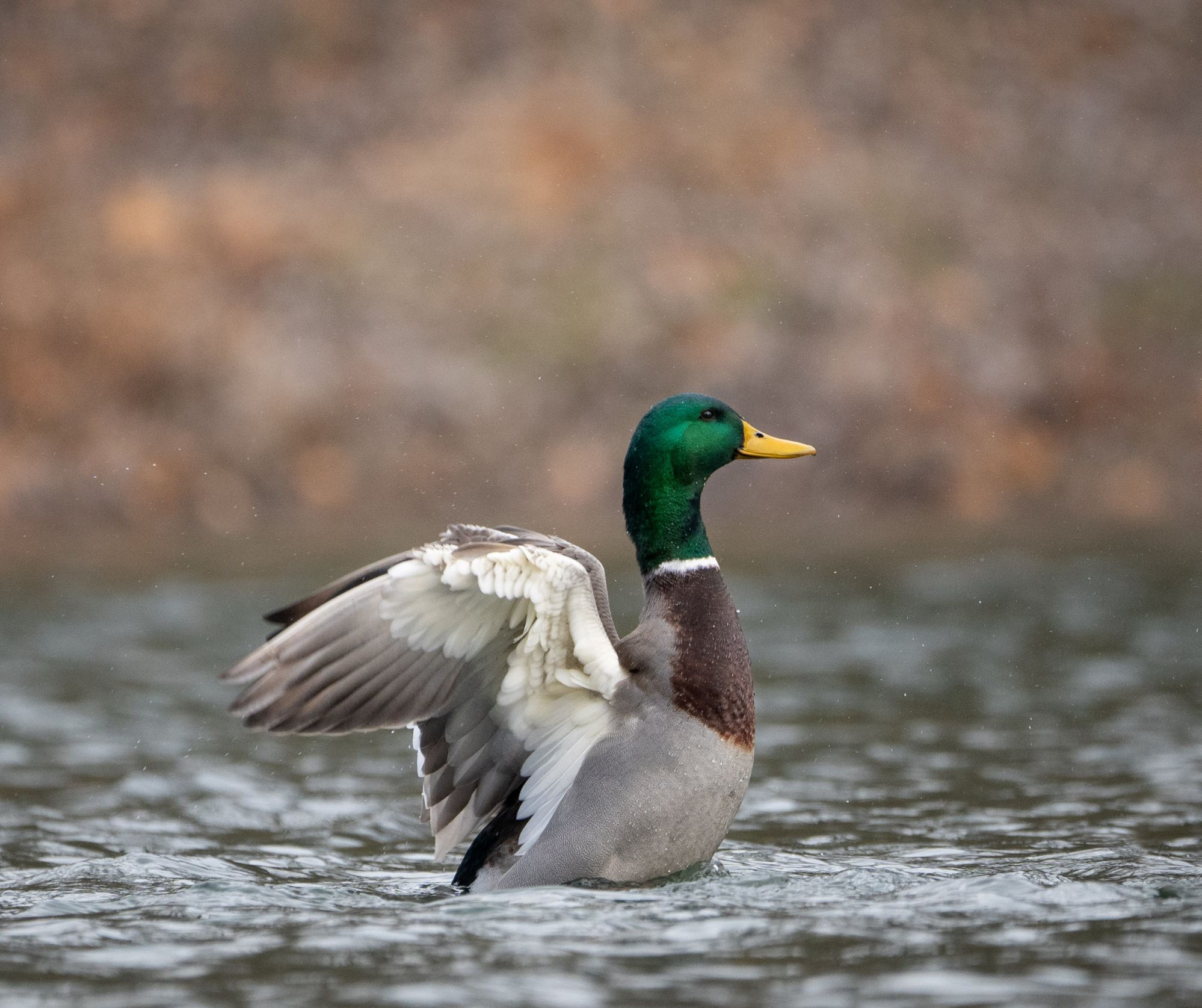
Ducks are waterfowl found worldwide, inhabiting freshwater and saltwater environments. They are characterized by their flat bills, webbed feet, and waterproof feathers. Ducks are omnivores, feeding on aquatic plants, insects, small fish, and crustaceans. They are popular game birds and are also bred for meat, eggs, and down feathers.
Regular season
Zone - High Plains Mallard Management Unit
Starts October 24, 2025
Ends January 25, 2026
Zone - High Plains Mallard Management Unit
Starts October 18, 2025
Ends October 19, 2025
Zone - North
Starts November 9, 2024
Ends December 1, 2024
Zone - North
Starts December 7, 2024
Ends January 26, 2025
Zone - South
Starts November 2, 2024
Ends December 1, 2024
Zone - South
Starts December 14, 2024
Ends January 26, 2025
Youth/Veterans season
Zone - High Plains Mallard Management Unit
Starts October 19, 2024
Ends October 20, 2024
Zone - North
Starts November 2, 2024
Ends November 3, 2024
Zone - South
Starts October 26, 2024
Ends October 27, 2024
Goose
Anatidae family, various species · (AN-uh-TIH-day)
Geese are large waterfowl closely related to ducks, found in diverse habitats across the globe. They are known for their long necks, honking calls, and strong flocking behavior. Geese are herbivores, feeding on grasses, grains, and aquatic vegetation. They are popular game birds, particularly for their meat and down feathers, and are also bred for ornamental purposes.

Dark Geese season
Zone - East
Starts November 2, 2024
Ends January 26, 2025
Zone - West
Starts November 2, 2024
Ends February 2, 2025
Early Canada Goose season
Zone - East
Starts September 14, 2024
Ends September 29, 2024
Light Geese season
Zone - East
Starts November 2, 2024
Ends February 14, 2025
Zone - West
Starts November 2, 2024
Ends February 2, 2025
Rails, Gallinules & Moorhens
Rallidae family, various species · (RAL-uh-day)
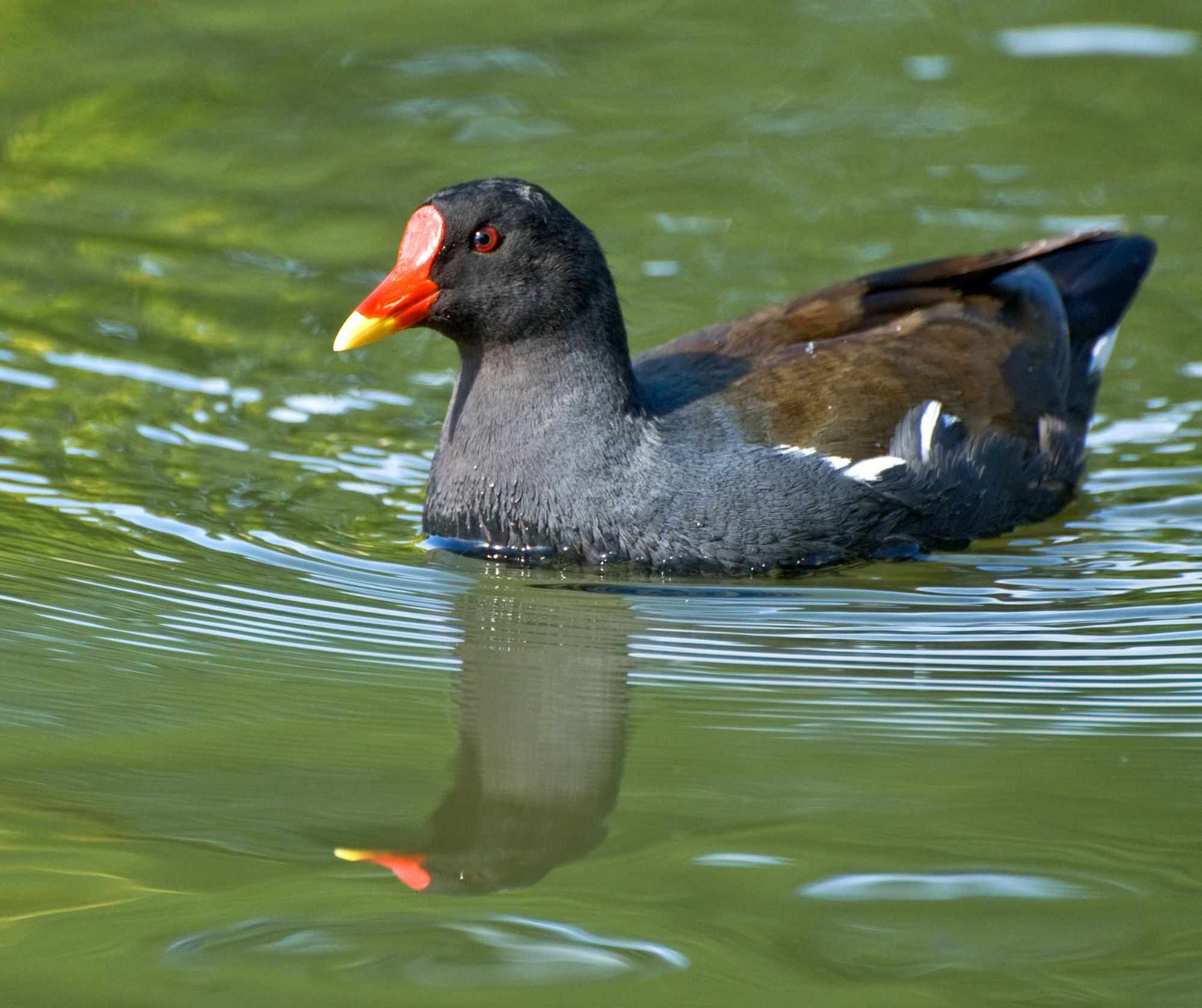
Rails, gallinules, and moorhens are medium-sized to small waterbirds found worldwide, typically inhabiting marshes, swamps, and wetlands. They are characterized by their slender bodies, long toes for walking on vegetation, and secretive behavior. These birds are omnivores, feeding on a variety of aquatic plants, insects, small fish, and crustaceans. They are valued for their role in wetland ecosystems and are often sought after by birdwatchers.
Regular season
Zone - Statewide
Starts September 14, 2024
Ends September 29, 2024
Zone - Statewide
Starts November 2, 2024
Ends December 25, 2024
Sandhill Cranes
Antigone canadensis · (AN-tih-guh-nee kan-uh-DEN-sis)
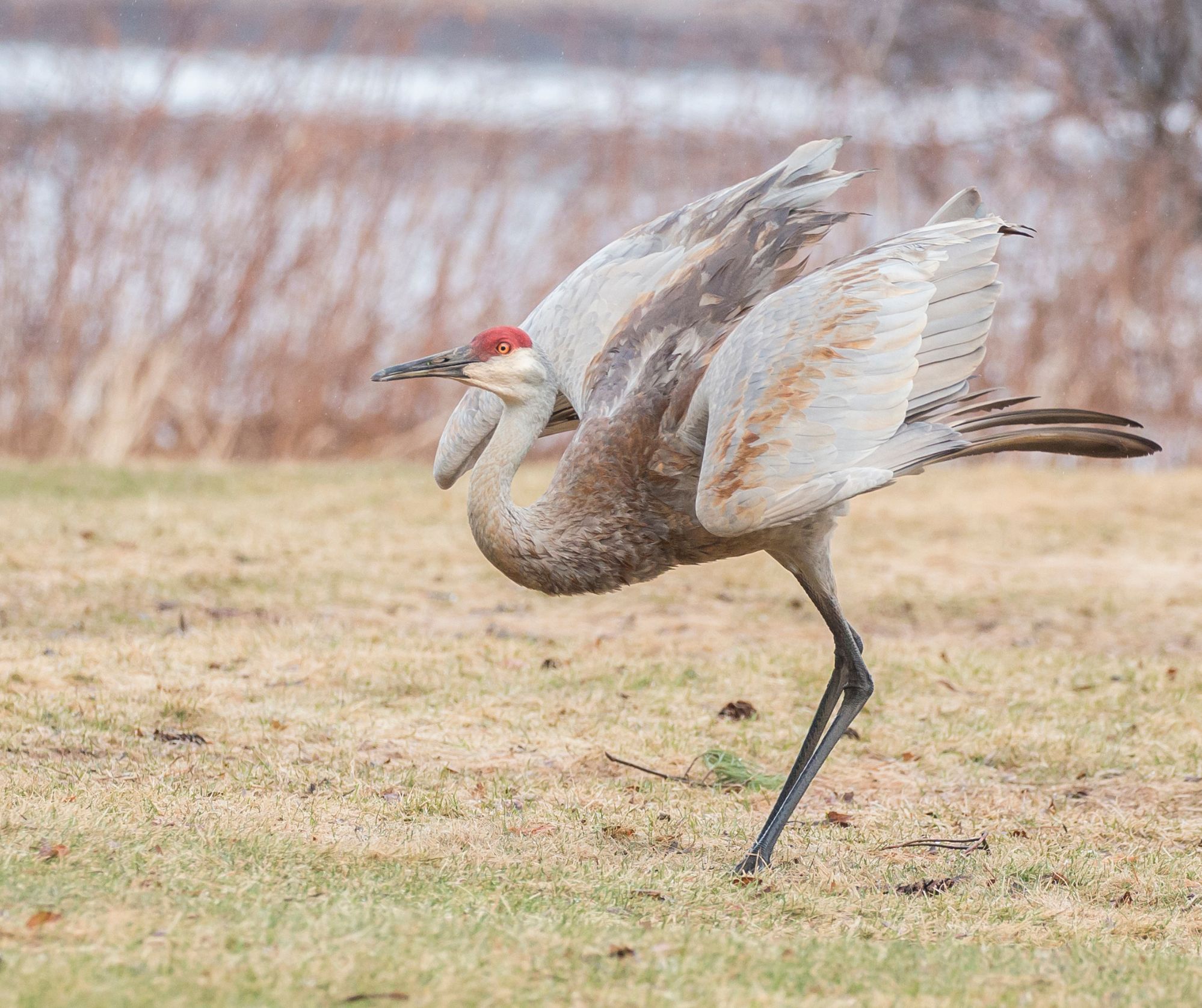
Sandhill cranes are large, long-legged birds found in North America, often seen in open grasslands, prairies, and wetlands. They are known for their distinctive trumpeting calls and elaborate courtship dances. Sandhill cranes are omnivorous, feeding on grains, seeds, insects, small vertebrates, and plant tubers. They are important migratory birds, traveling long distances between breeding and wintering grounds.
Regular season
Zone - A
Starts October 26, 2024
Ends January 26, 2025
Zone - B
Starts November 22, 2024
Ends January 26, 2025
Zone - C
Starts December 14, 2024
Ends January 19, 2025
Snipe
Gallinago spp. · (gal-LIN-uh-go)
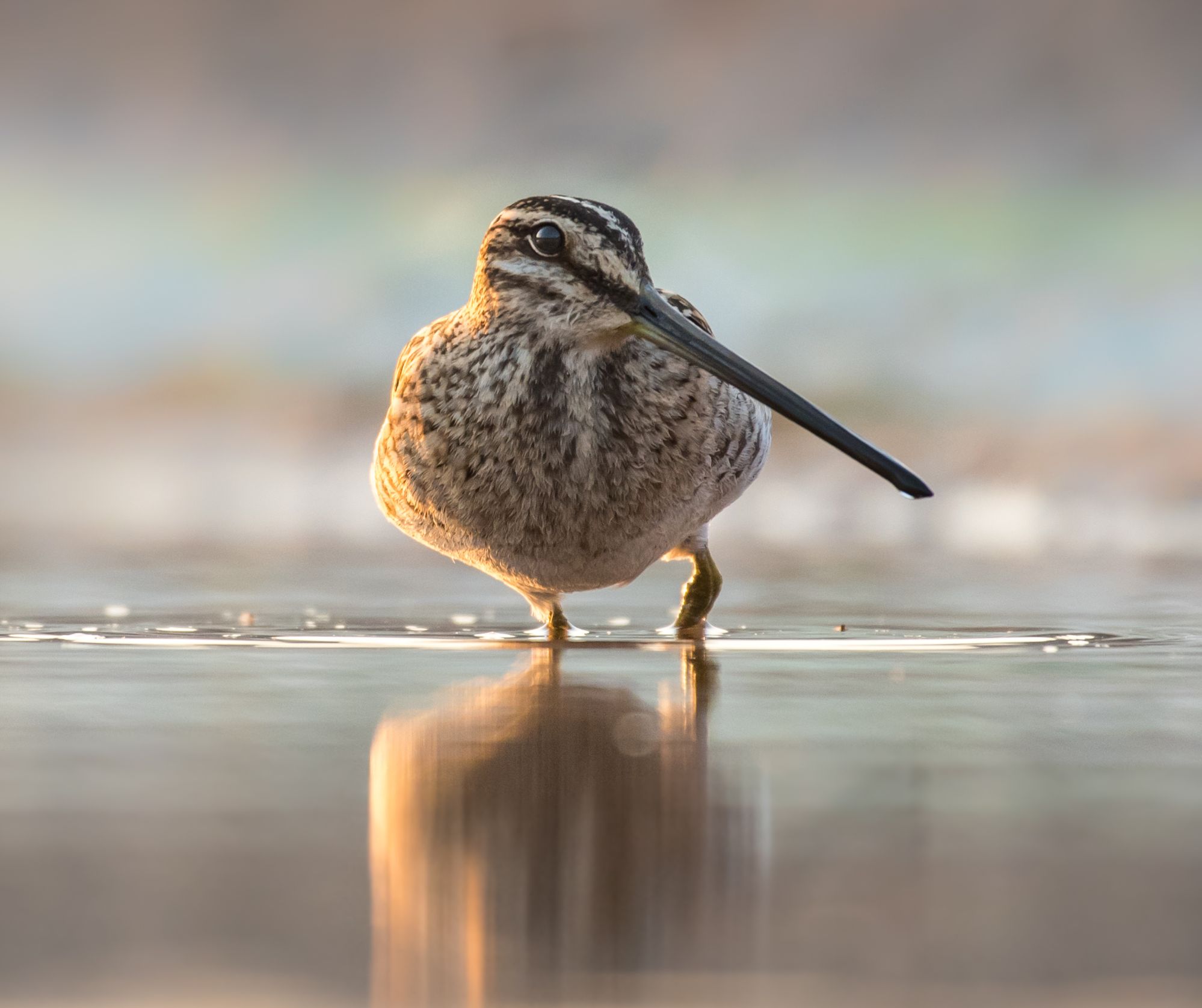
Snipes are medium-sized, long-billed shorebirds found worldwide, often inhabiting marshes, wet meadows, and shorelines. They are recognized for their cryptic plumage and elusive behavior. Snipes are omnivores, feeding on a variety of invertebrates including worms, insects, and crustaceans. They are challenging game birds for hunters and are also admired by birdwatchers for their aerial displays during courtship.
Regular season
Zone - Statewide
Starts November 2, 2024
Ends February 16, 2025
Teal
Anas crecca and others · (AN-us KREK-uh)
Teals are small dabbling ducks found in freshwater habitats across Europe, Asia, and North America. They are known for their rapid wing beats and agile flight. Teals feed primarily on seeds, aquatic plants, and small invertebrates. They are popular game birds, prized for their speed and agility during hunting.
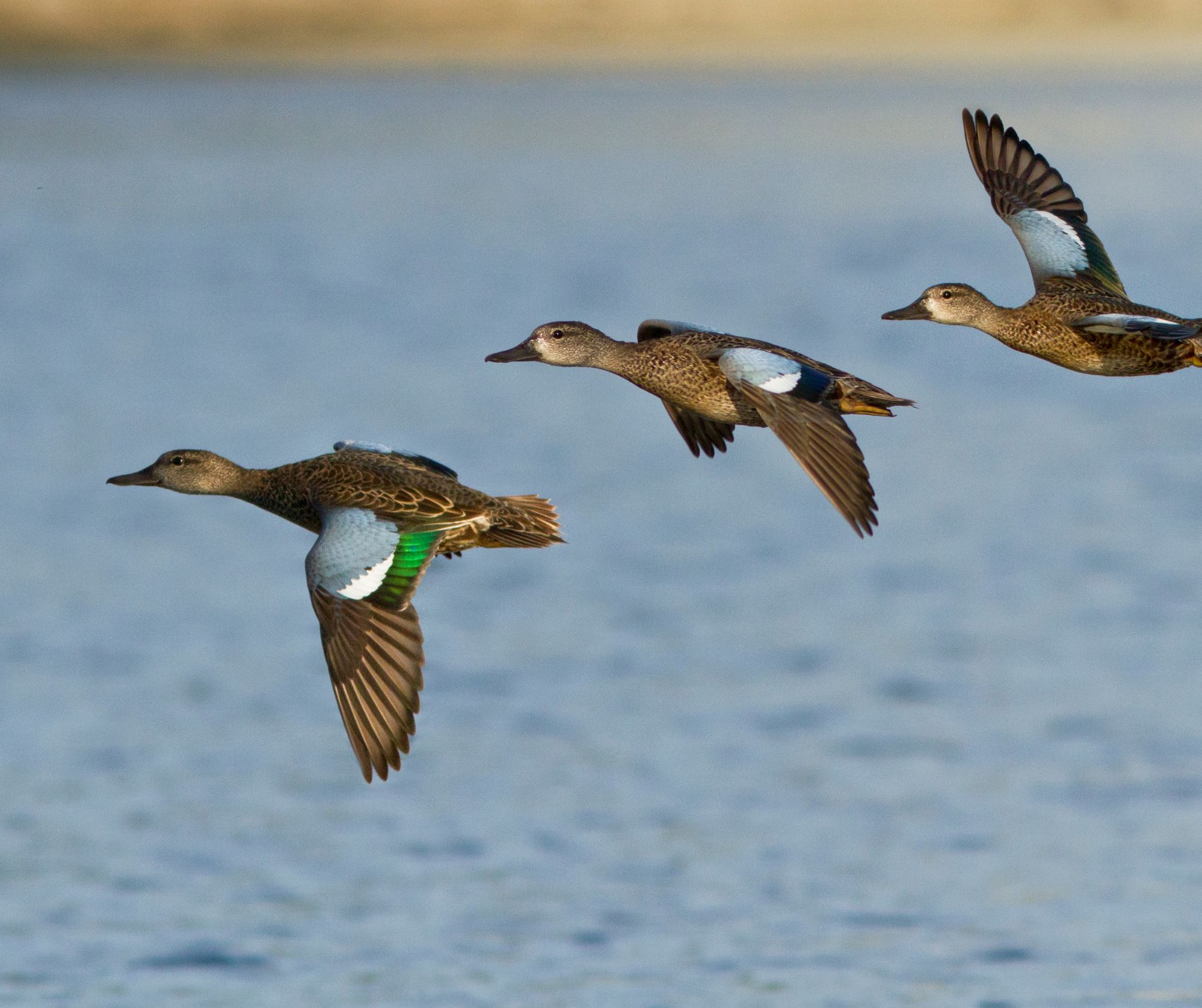
Regular season
Zone - Statewide
Starts September 14, 2024
Ends September 29, 2024
Woodcock
Scolopax spp. · (SKOH-luh-paks)
Woodcocks are medium-sized wading birds found in temperate and boreal forests of Europe, Asia, Africa, and North America. They are known for their long, slender bills used for probing in mud and soil. Woodcocks are crepuscular, feeding primarily on earthworms and other invertebrates found in moist soils. They are highly prized as game birds for their challenging flight patterns and elusive behavior.
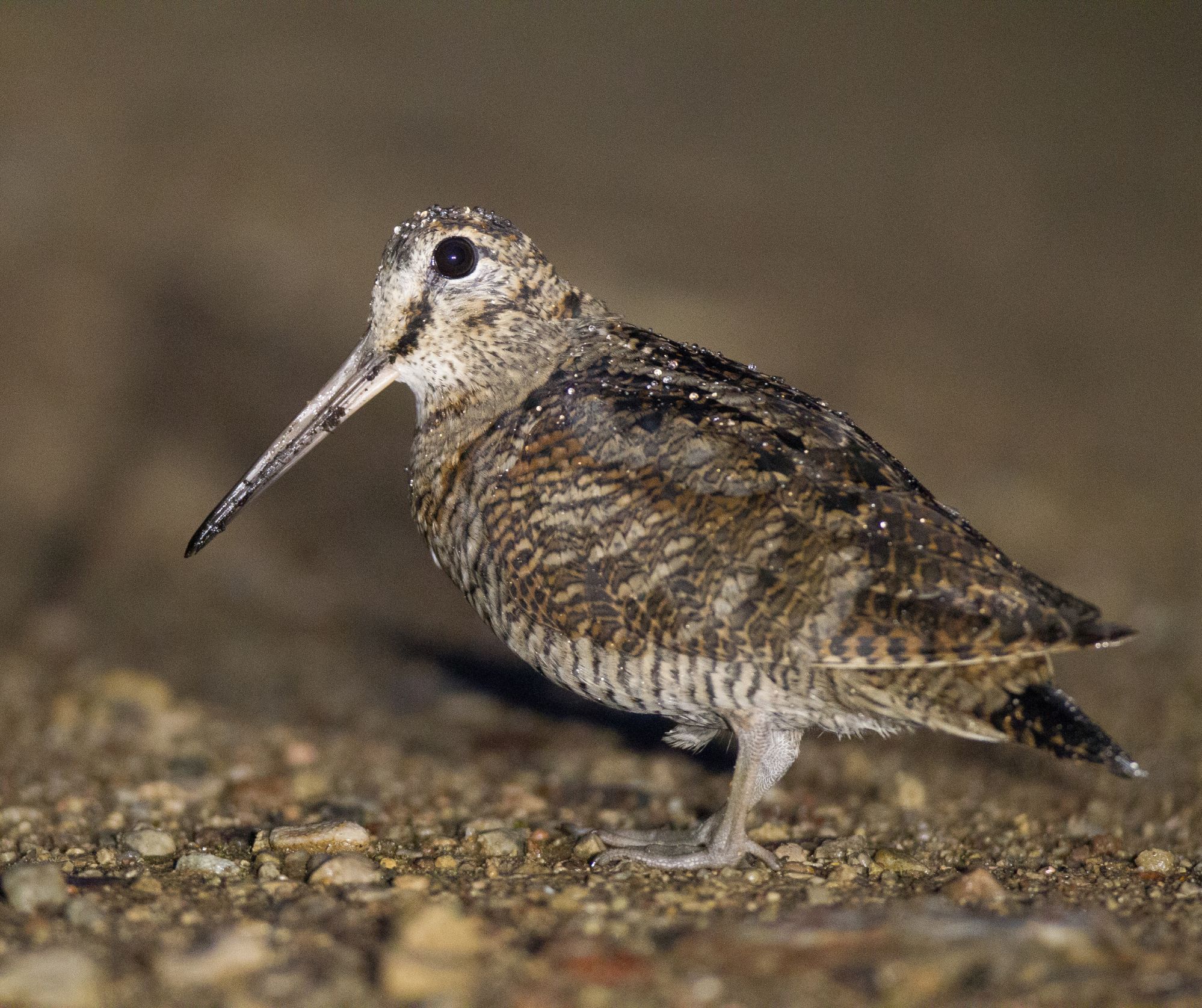
Regular season
Zone - Statewide
Starts December 18, 2024
Ends January 31, 2025
Alligator
Alligator mississippiensis · (al-i-GAY-ter miss-iss-uh-PEE-en-sis)
Alligators are large reptiles native to the southeastern United States, inhabiting freshwater swamps, marshes, rivers, and lakes. They are characterized by their broad, rounded snouts and armored bodies. Alligators are carnivorous, feeding on fish, amphibians, birds, and mammals. They are apex predators in their habitats and play a crucial role in wetland ecosystems.
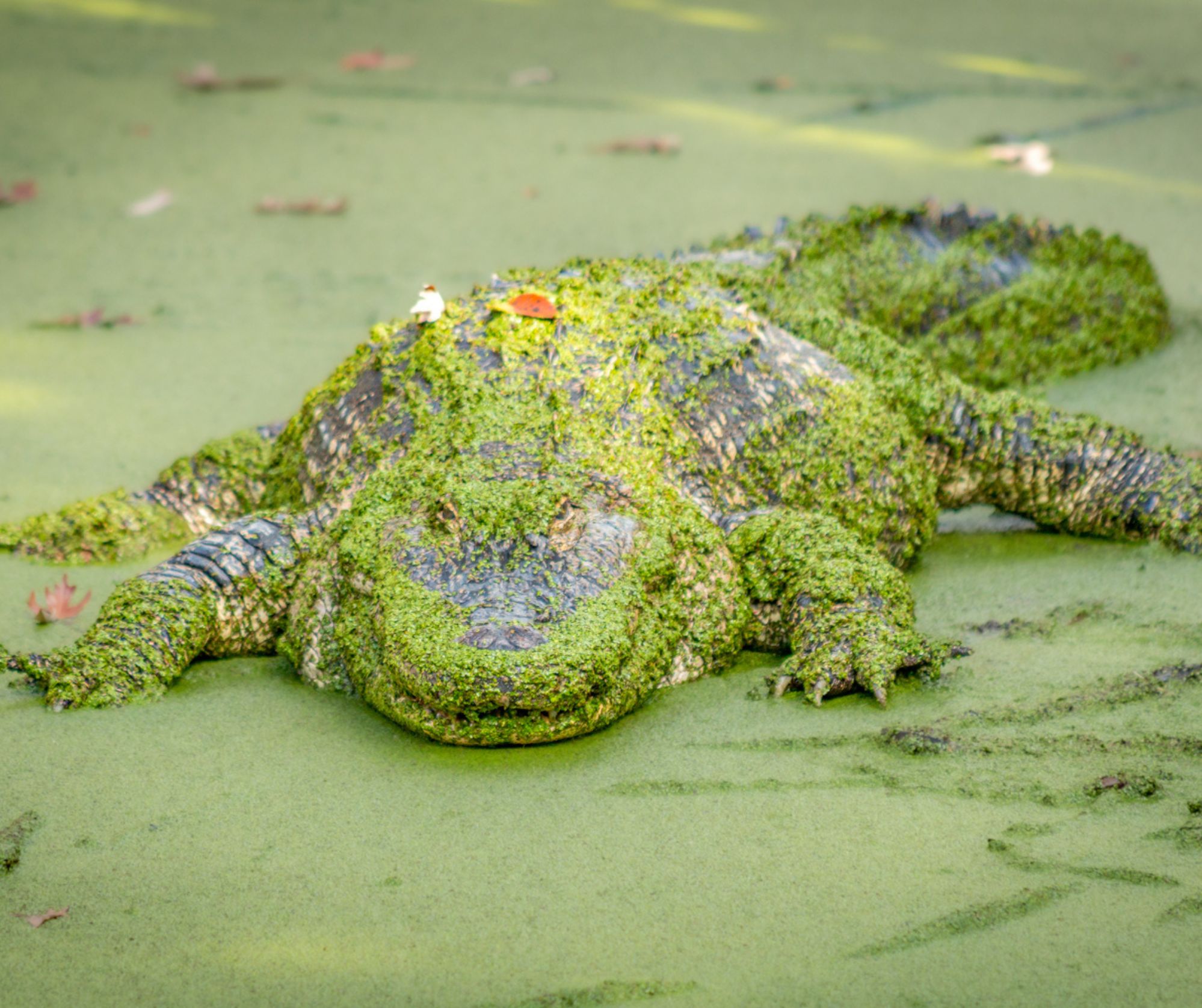
General season
Zone - 22 Counties & Special Properties
Starts September 10, 2024
Ends September 30, 2024
Zone - All Other Counties
Starts April 1, 2025
Ends June 30, 2025
Rabbits & Hares
Leporidae family, various species · (lep-uh-RYE-dee)
Rabbits and hares are small to medium-sized mammals found worldwide, inhabiting diverse habitats from grasslands to forests. They are characterized by their long ears, powerful hind legs for jumping, and herbivorous diet. Rabbits and hares feed on grasses, clover, herbs, and bark. They are important prey species for many predators and are also hunted by humans for meat and fur.
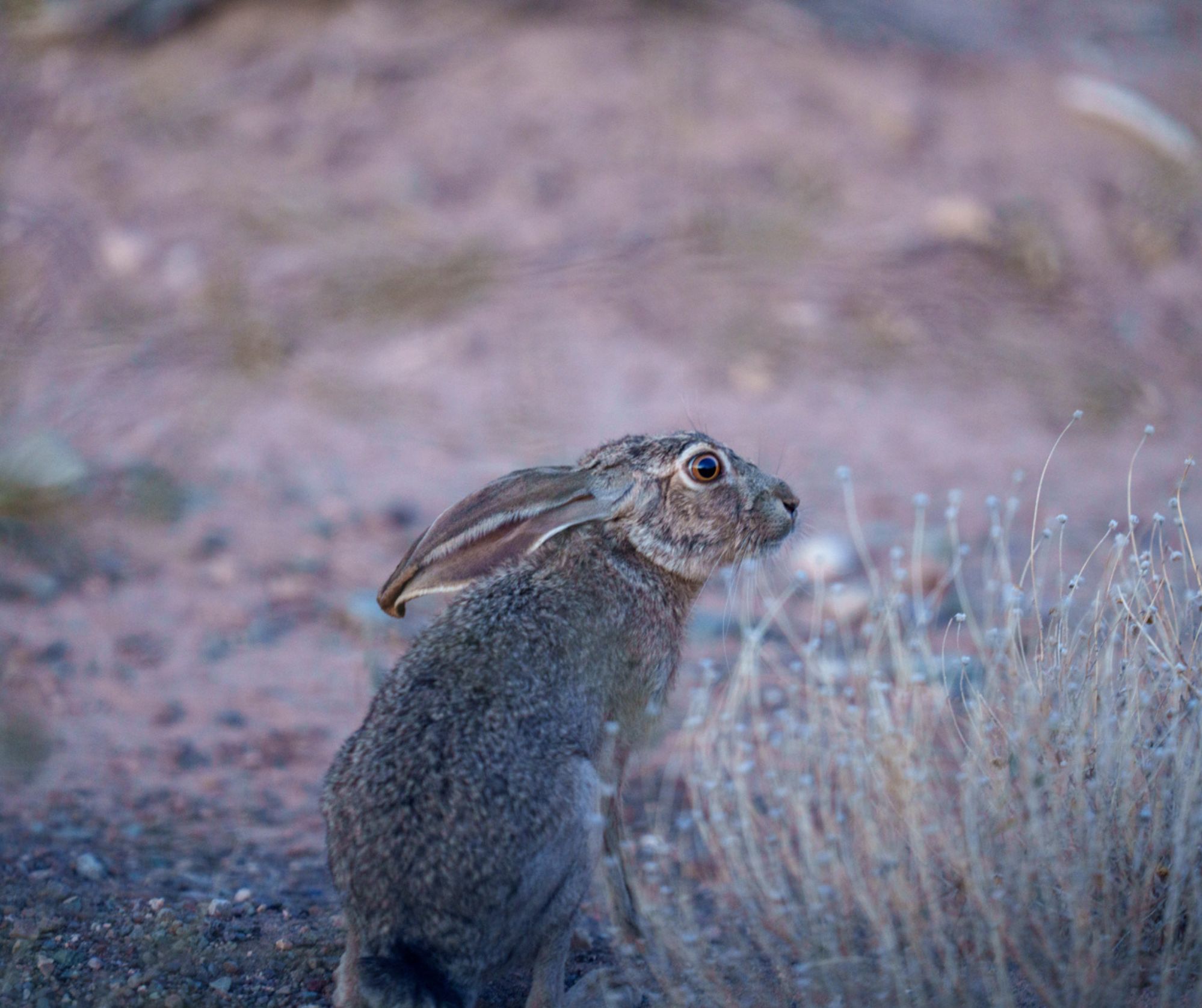
No closed season
Texas Ranch Journal has made every attempt to ensure the accuracy and reliability of the information provided on this web page. However, the information is provided ‘as is’ without warranty of any kind. TRJ does not accept any responsibility or liability for the accuracy, content, completeness, legality, or reliability of the information contained on this page.
For more information on hunting regulations in Texas, please visit the Texas Parks and Wildlife website at tpwd.texas.gov or call 800.792.1112.
Information about the species mentioned on this page has been sourced from various reliable resources including:
- Texas Parks and Wildlife Department
- National Audubon Society
- Smithsonian National Museum of Natural History
- Encyclopedia of Life
- International Union for Conservation of Nature (IUCN) Red List
For detailed information on each species, please refer to the respective sources.
