Whitetail deer hunting holds a unique place in Texas culture, blending tradition, sport, and a deep commitment to conservation. Through the dedicated efforts of hunters, conservationists, and wildlife officials, Texas has grown into one of the premier hunting destinations in the United States. Far more than a sport, whitetail deer hunting is a critical tool for managing deer populations, protecting habitats, and nurturing a sustainable balance between humanity and nature.
The history of whitetail deer hunting in Texas has evolved significantly, transforming from a means of subsistence to a conservation-centered practice. Today, thoughtfully curated hunting seasons and harvest limits help ensure this legacy endures, safeguarding the health of deer populations and their habitats for generations to come.
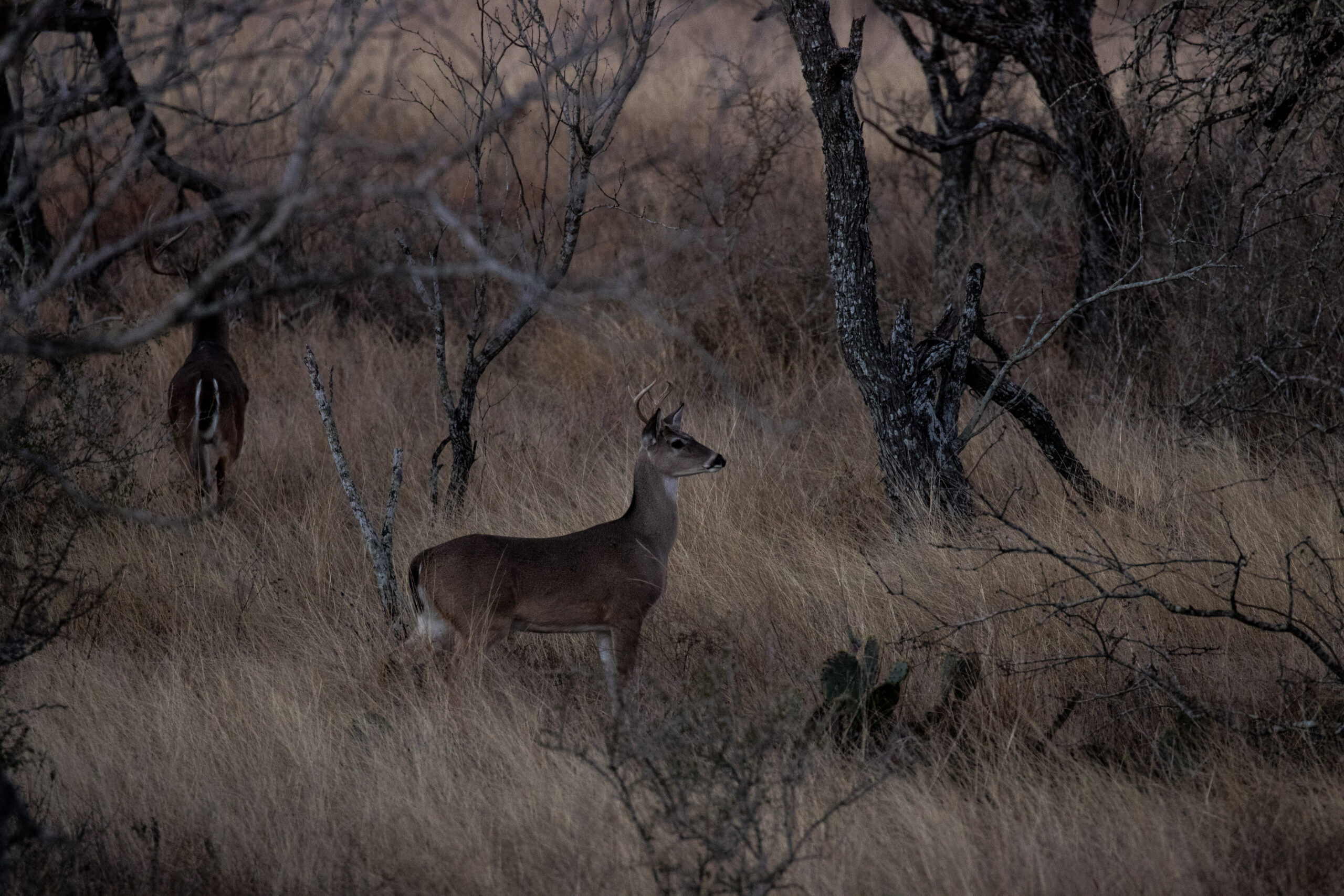
Image Provided by Pam Patton
A Legacy of Subsistence and Survival
Whitetail deer once served as a vital resource for Native American tribes and early settlers, providing food, materials, and tools. With unrestricted hunting, however, deer populations declined sharply across the U.S. by the late 1800s due to overhunting and habitat loss. This depletion led to a late 19th-century movement toward conservation, marking the beginning of regulated hunting practices that introduced seasonal restrictions and banned certain methods to protect wildlife.
A key moment in this movement was the enactment of the Lacey Act in 1900, a federal law prohibiting the trafficking of illegal wildlife, fish, and plants. Designed to protect both endangered and non-endangered species, the Lacey Act ensured that trade remained sustainable and addressed broader issues like habitat preservation and pollution control. This law laid the foundation for modern conservation, emphasizing the delicate balance between wildlife protection and human activity. These early efforts led to a resurgence in deer populations, particularly in Texas, where ongoing conservation and effective wildlife management practices have allowed deer numbers to thrive.
Building a Framework for Sustainable Hunting
Texas began implementing structured hunting seasons in the early 20th century to prevent overharvesting. Initially brief and highly regulated, these seasons expanded as deer populations rebounded. Today, the Texas Parks and Wildlife Department (TPWD) offers various hunting seasons for whitetail deer, including archery, youth, general, and muzzleloader seasons. The primary hunting season usually begins in early November and continues until early January, with an early archery season starting in October. Additionally, TPWD’s Managed Lands Deer Program (MLDP) offers extended hunting seasons for landowners who partner with TPWD to manage deer populations actively, granting private landowners flexibility to implement conservation practices tailored to their lands.
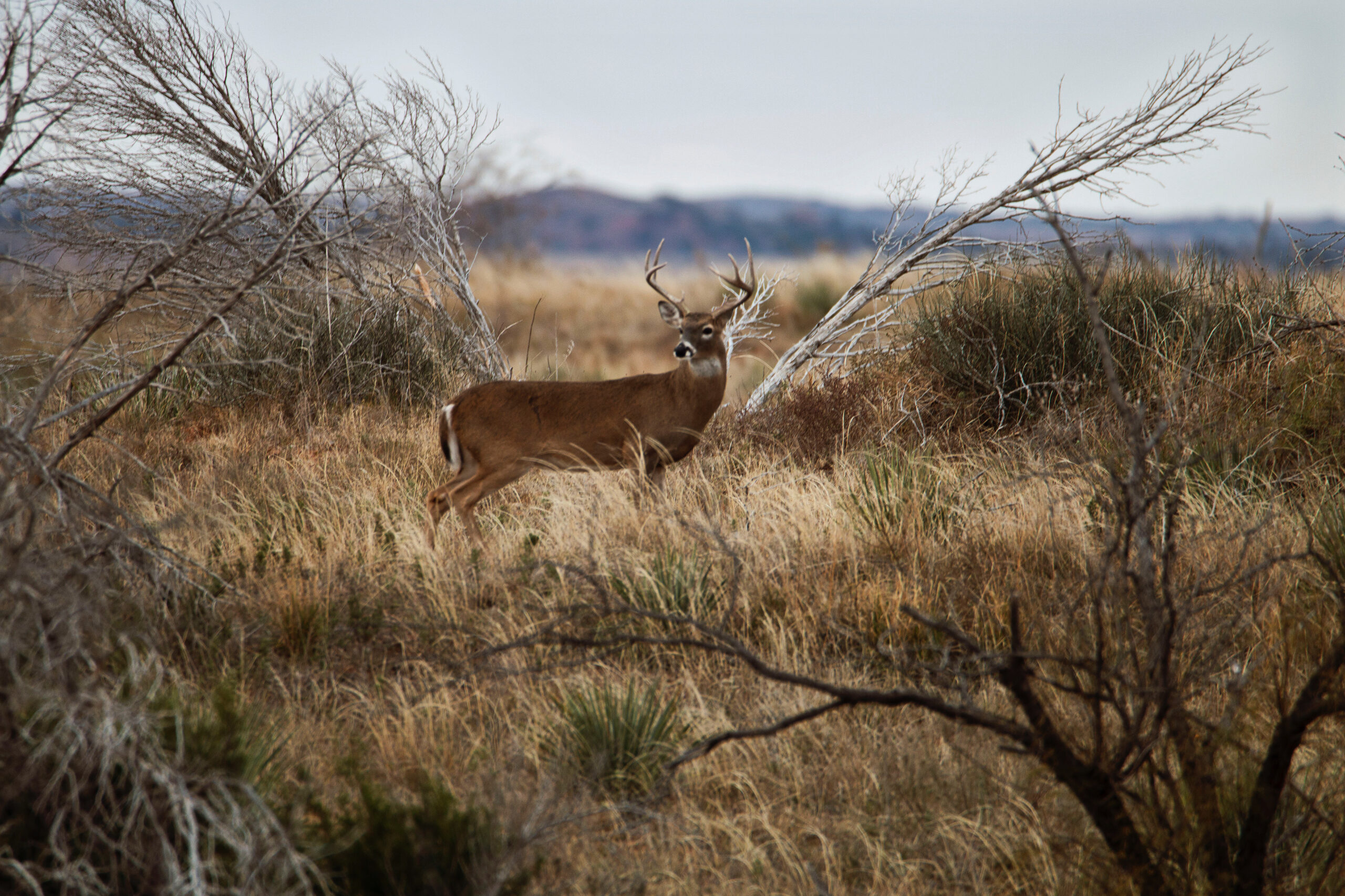
Image Provided by Justin Green
Texas: A Leader in Deer Harvesting
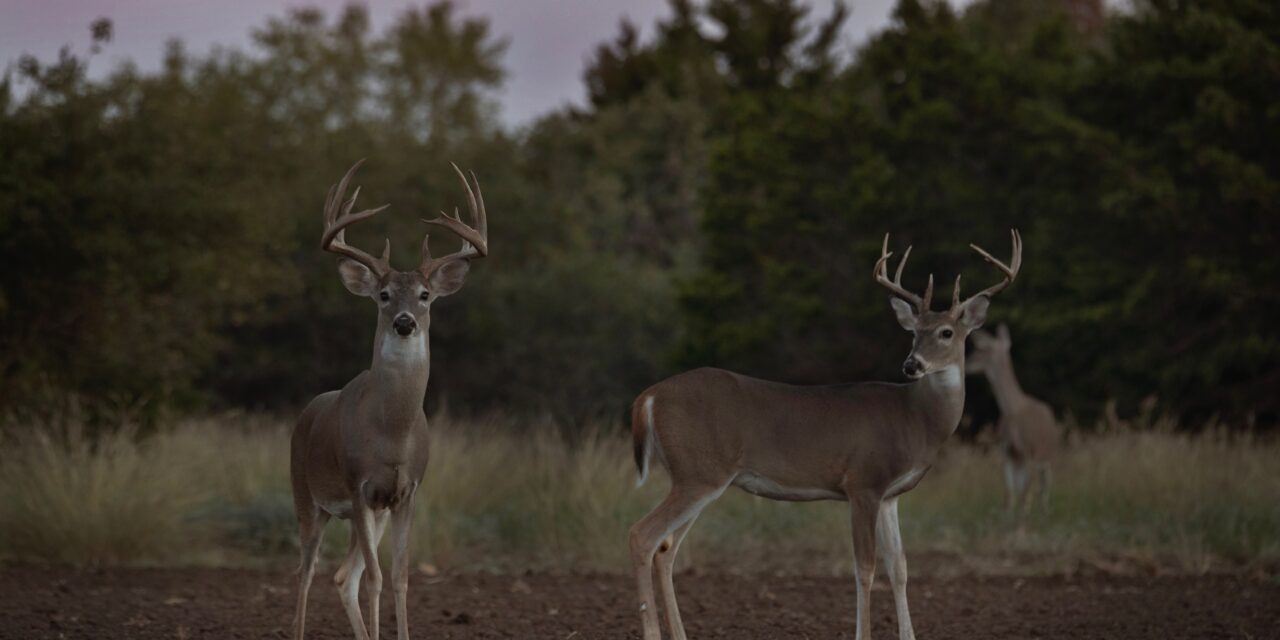
Home to approximately 5 million whitetail deer, Texas sees an average annual harvest of 600,000 to 800,000 deer. This high harvest rate reflects not only the state’s vast land and abundant deer population but also the effectiveness of its hunting regulations in maintaining ecological balance. TPWD closely monitors deer populations, regularly adjusting hunting quotas, bag limits, and antler restrictions to keep populations stable. Through careful management of harvest rates, TPWD protects Texas ecosystems, reduces the risks associated with overpopulation, and supports the health and genetic diversity of the state’s deer herds.

Image Provided by Hannah Perkins
Rules, Restrictions, and Regulations
In Texas, all hunters are required to have a valid hunting license, and specific permits apply based on whether hunters are on private or public lands. Different tags, including antlerless and antler-restricted tags, control the types of deer harvested, maintaining a balanced population. Bag limits and antler restrictions also vary by county, allowing Texas to manage populations according to regional needs. In some counties, antler restrictions allow only mature bucks with certain antler characteristics to be harvested, encouraging a healthier age structure in deer populations. Depending on the season and location, hunters can use archery, rifles, muzzleloaders, and more, each with specific regulations to ensure humane kills and promote hunter safety.
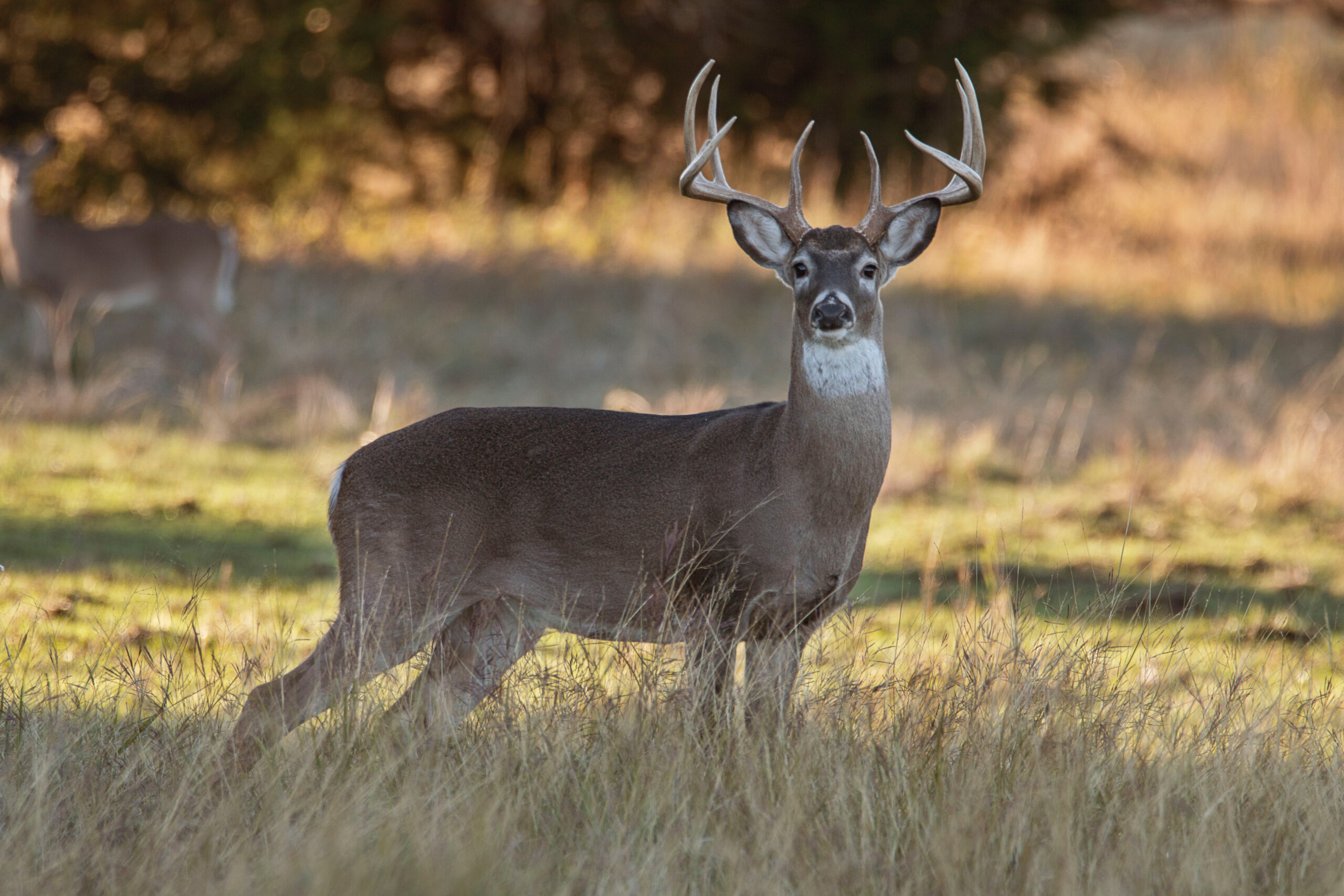
Image Provided by Justin Green
Funding Conservation, Managing Populations, and Educating Hunters
Hunting in Texas generates significant revenue through license fees, taxes on hunting equipment (under the Pittman-Robertson Act), and local spending. These funds are directed toward TPWD’s conservation programs, supporting land acquisition, habitat restoration, and wildlife management to preserve Texas’ natural resources. Without regulated hunting, whitetail deer populations would likely exceed the carrying capacity of their habitats, leading to issues such as starvation, disease outbreaks, and habitat degradation. By managing populations through hunting, Texas protects ecosystems from these risks, ensuring that deer populations and other native species thrive.
Hunting in Texas is also an educational journey that connects people with nature and fosters environmental stewardship. TPWD works to educate hunters on ethical practices, the importance of sustainable harvests, and the role hunters play in wildlife management.
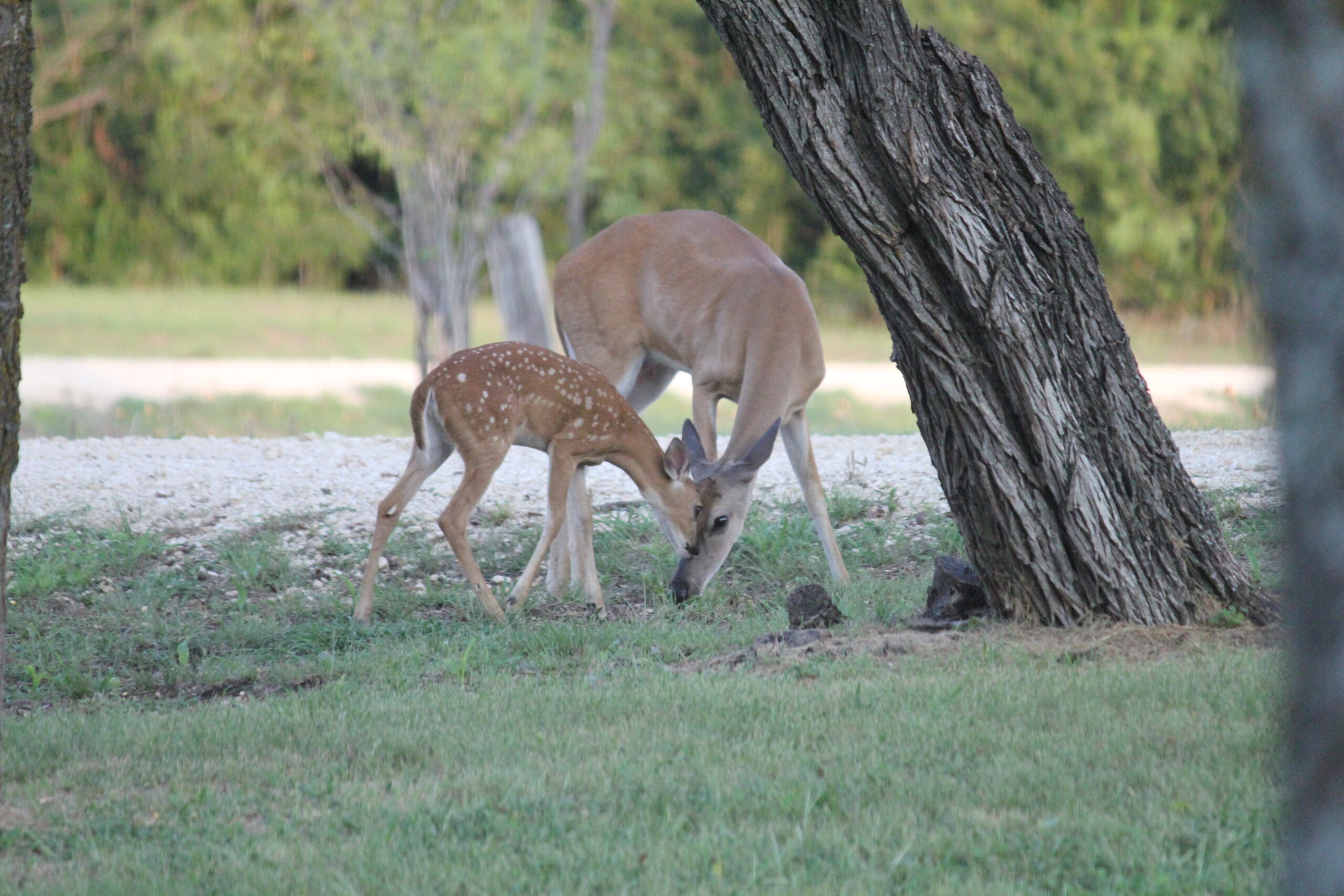
Image Provided by Kelly Pitner
Looking to the Future
The future of whitetail deer hunting in Texas hinges on meeting new challenges, including urban development, climate change, and disease management. TPWD continually adapts its regulations to address these factors, ensuring that hunting remains a sustainable conservation tool for future generations. As a result, whitetail deer hunting in Texas has grown from a survival practice to a carefully managed tradition that supports conservation. Through regulated hunting, habitat management, and ongoing education, TPWD and Texas hunters work to protect the delicate balance of the ecosystem, preserving both Texas’ wildlife heritage and the future of its whitetail deer populations.
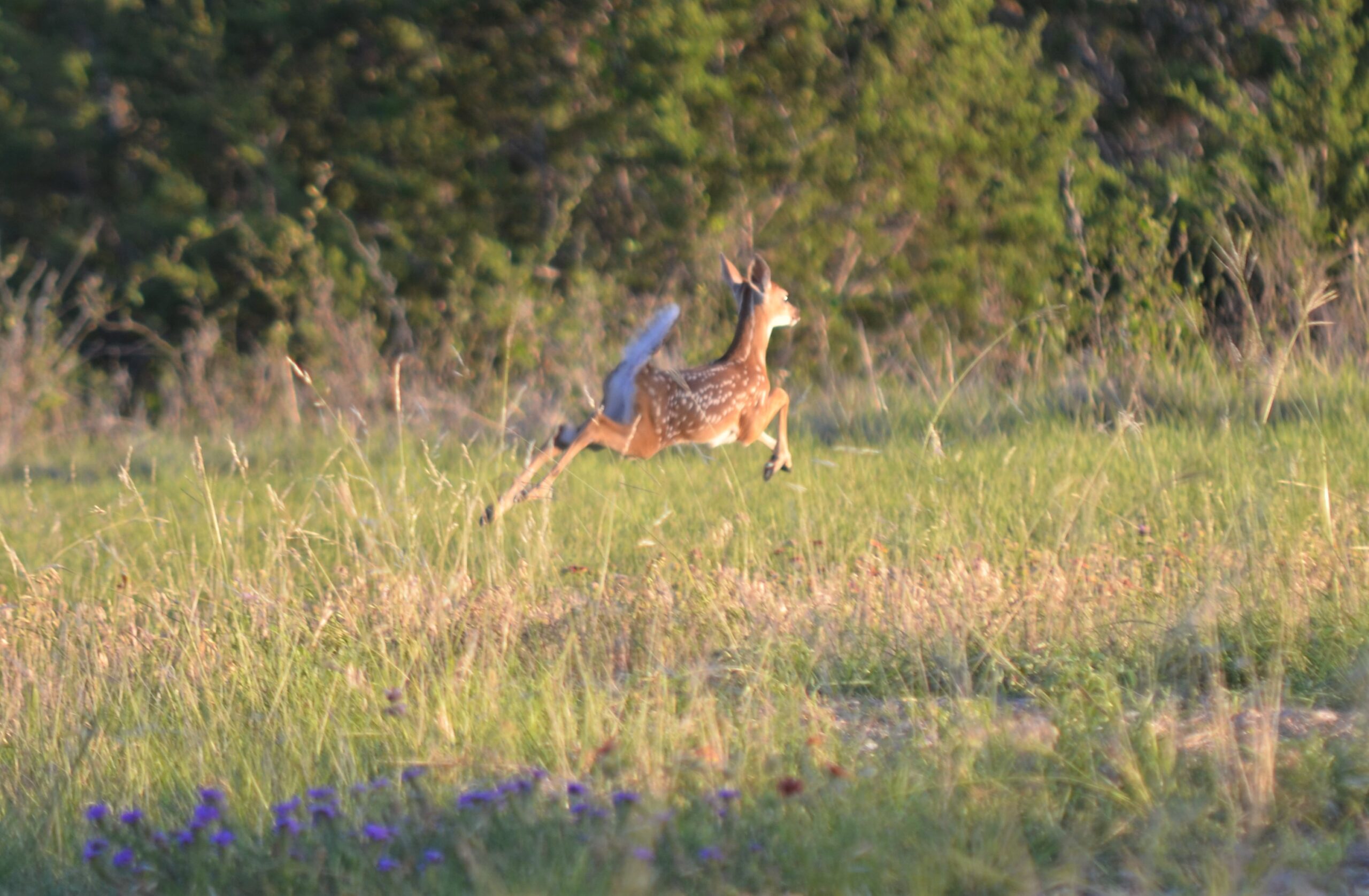
Image Provided by Paul Holguin