HORSE
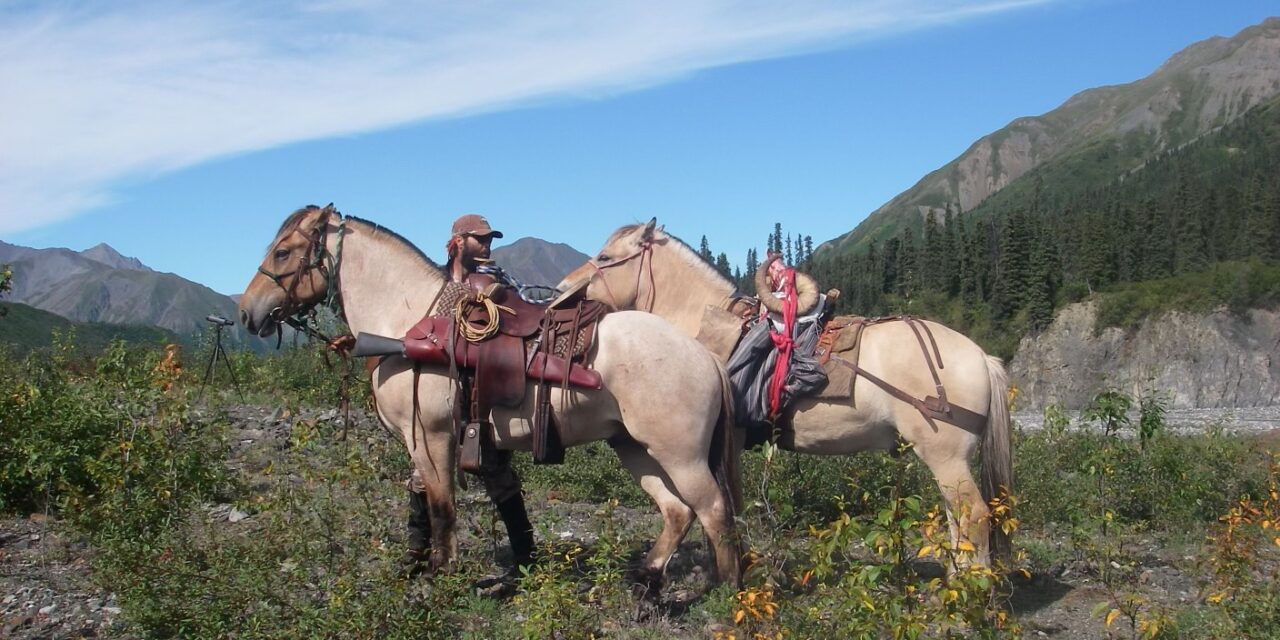
The horse is engrained in the roots of almost every civilization of the world and has played many roles. The earliest known visual art of a horse is a two inch carving on a Mammoths tusk from 34,000 years ago found in a German cave. It was a symbol for good luck when hunting. The first ‘human contact’ with horses occurred on the steppes of central Asia around 3,000 bc. The earliest ‘artistic evidence of Domestication’ is from 4,000 bc in western Kazahkstan.
Genghis Kahn introduced the fearless small but mighty Mongolian horse through battle. Iberia produced the remarkable Andalusians and Lusitanos which excel in the classical riding discipline. Argentina, Chile, and Peru developed one of my favorite breeds, the tough enduring Criollo horse of the Gaucho, a breed full of impression and Andalusian blood. The Moors gave us all the magnificent ‘African’ Barb which roots from Iberia and plays a significant part in almost every modern horse breed today.
Spaniards brought their ‘Spanish’ Barb horses into North America where they later became known as the ‘mustang’. As soon as the mustang was domesticated in America the course of history changed instantly. Horses played a vital role in every aspect of human survival and development from then on.

HUNT
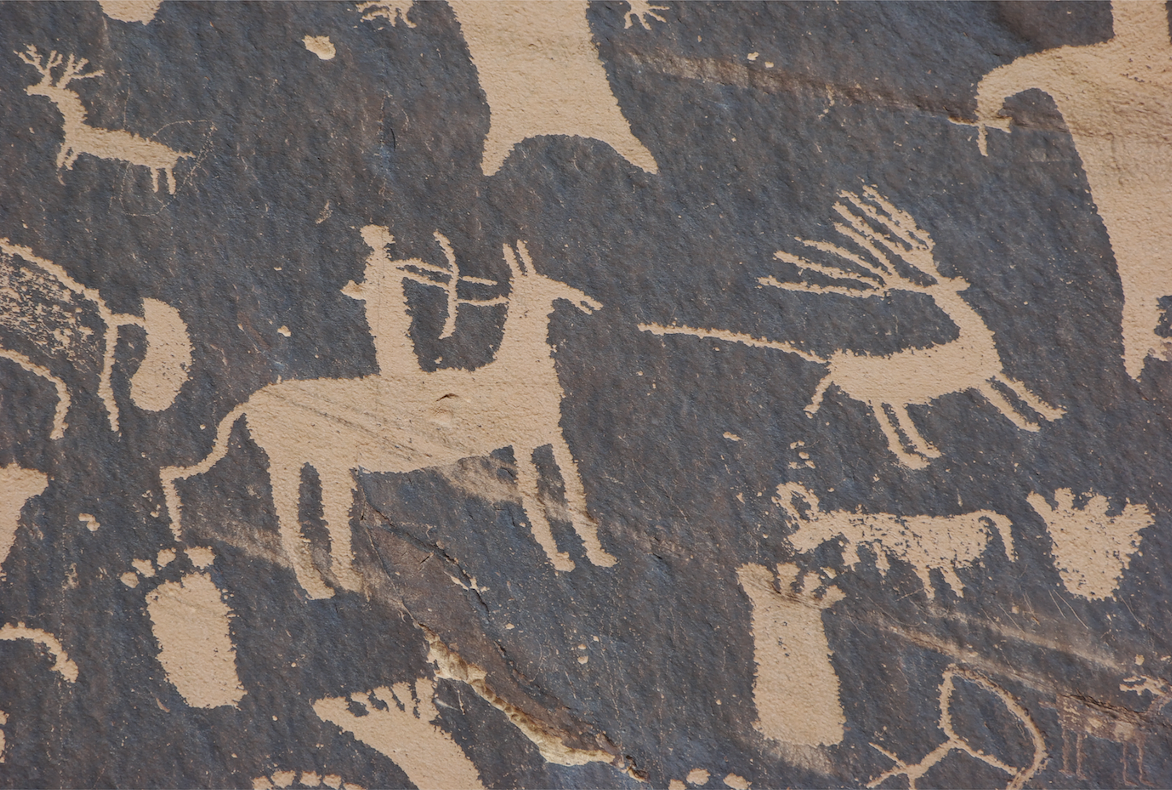
Regardless of who or when, it is clear the horse and the hunt were intertwined long ago. No matter the time in history, there has always been a relationship and understanding between horse and mankind. That understanding can only be developed through the process of consistent use with a purpose, like hunting. Although used as a tool for hunting, a partnership begins through necessity in which one relies on the other, and the appreciation for what each has to offer is mutual.
Every culture that has used horses for hunting has one thing in common, they all understand their horses and their horses understand them even better. With repetition and time the horse gathers the nature of the hunt it is participating in. Eventually they may begin to anticipate what is next and what they can do to help. Over enough time you will come to realize that one of you is none without the other.
BIRDS OF A FEATHER
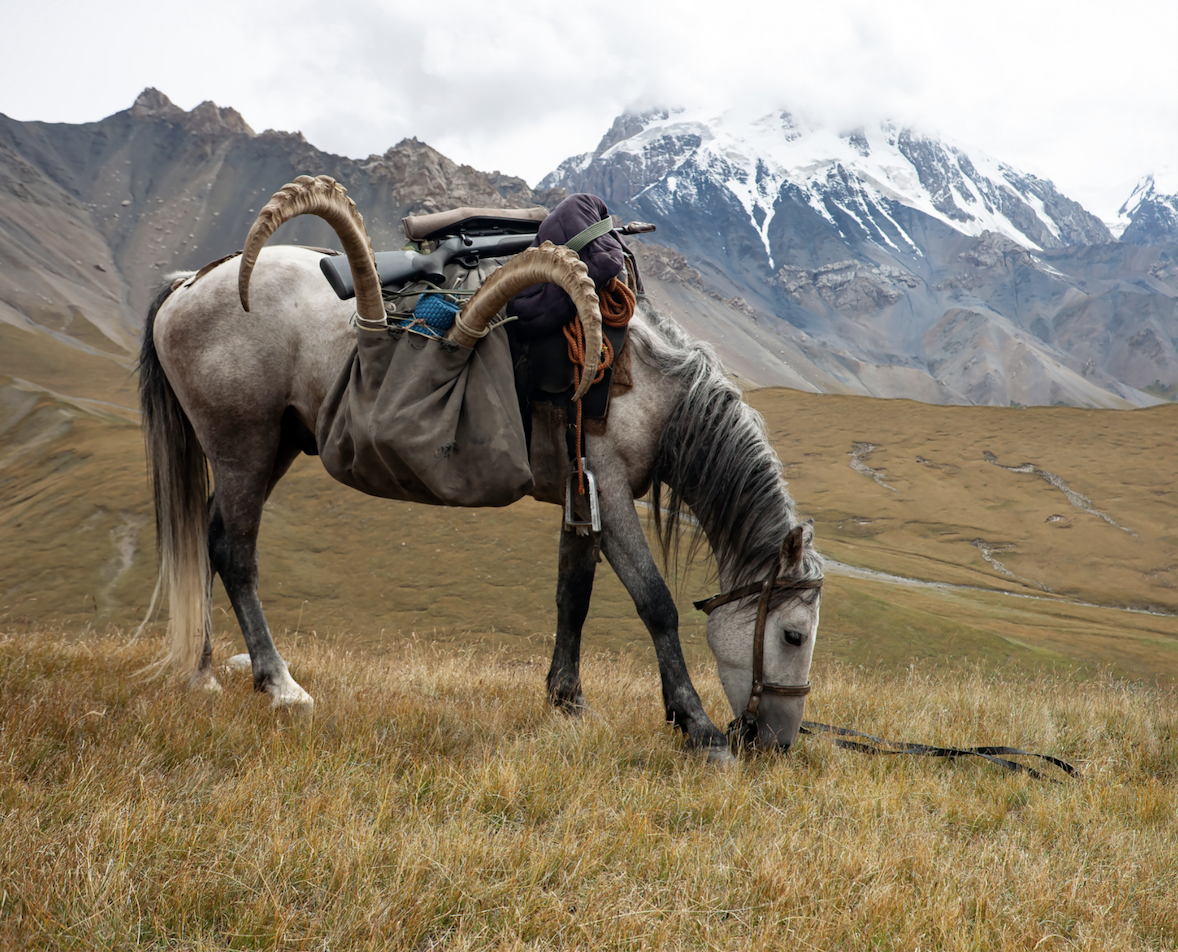
One year exploring and hunting Pheasant, Hungarian Partridge, and Sharp Tail Grouse around eastern Montana I had sore feet and a vision… a vision of myself sitting horseback following the pointing dogs ahead. The idea stuck like bubble gum and I started thinking of the best way to go about it. After that mornings hunt I drove into town for a cup of coffee and a chicken fried steak breakfast, then got to thinking about this revelation of mine.
Two things were obvious right from the start, Montana desperately needed better hot sauce, and using the right type of horse would be crucial. The hot sauce crisis would have to wait, but the choice in horse deserved some real consideration at that moment. Endurance would be crucial, a well mannered temperament sure would help, and a steady walk inline with the natural pace of the hunting dogs would seal the deal on it. The game was on.
Well it turned out that my revelation had already been tapped into a long time before. Later that year I saw a magazine cover with several high class individuals sitting in English saddles on some fine thoroughbred horses. They were wearing white gloves and sporting top grade fully engraved double barrel shotguns. It made for a pretty cover shot, but in reality a Ferrari is not the right transportation to hunt with, and white gloves are an elephant in the room situation. Avoid both at all cost.
On the contrary, a good number of pointing dog breeders / trainers around the country utilize horses to run their dogs and hunt in the field. They breed, raise, and train horses specifically for this type of use and hunt. A great number of them prefer Tennessee Walkers and its no coincidence. Tennessee Walkers move out and cover ground nicely, they can keep up with the pointing dogs, are comfortable to ride, have the stamina and endurance needed to handle a full day, and overall have a nice general disposition. It’s a great choice.
If you go about it the right way, horse, man, and bird dog can flock together, like birds of a feather.
HIGH PLAINS DRIFTERS
The plains of Texas changed quickly in the 1600’s when the Comanches learned to catch and tame those Spanish horses. They went on to master the art of riding with an unimaginable level of skill. The mobility for hunting and fighting wars that came with the use of their horses opened up a whole new landscape for them. They built an entire culture around the horse naming them “God Dogs”. Eventually they became as good at stealing horses as they were at capturing and training them. They turned stealing horses into an art form, a display of magic, slipping in and out like ghosts leaving with only the finest horses in the group.
At that time in Texas there were plentiful numbers of Buffalo, many Black Bear, Deer, Pronghorn Antelope, Mountain Sheep, Guadalupe Elk and more. The Comanche horse became an integral part of their hunting expeditions. They became one with the horse and knew fine horse flesh when they saw it. They began to focus on the different strengths of the individual horses, what benefited them the most for their purposes and survival, in turn creating a breeding program of their own.
They wanted fearless horses that were lightening fast, tough as nails, and had great stamina. These attributes would allow them to have the upper hand in battle and hunting both. They would hunt many miles of ground in a day and chase down bison at a full run until they could match their pace and meet them at full draw.
From that point on for the Comanche, there was no hunt without the horse. Some might even say there was no horse without a Comanche at its side.
KINGS OF THE MOUNTAIN
The type of horse used on a big game hunt is crucial in mountain country. If you have never seen a horse in the mountains that was not meant to be there I’m here to tell you it’s a sad sight. More often than not either the horse or rider ends up getting hurt.
The ideal mountain hunting horse should have very solid bone structure, a powerful hind end, short back, strong work ethic, great stamina, and a lot of heart. To cover the ground needed and travel efficiently the horse should have a long graceful relaxed stride over stepping its own front tracks at a normal walk. If you have seen the movie Jeremiah Johnson his horse had these attributes. If you have never seen the movie, give it a watch you won’t regret it.
When pulling a pack string with you to transport camp gear and game meat through the mountains, you don’t want a gaited horse. A gaited horse can be fun to ride and put on a show for spectators but it will only get your pack string worked up with their excited movements. They typically are not able to hold the calm demeanor or fluidness required to create that perfection of travel I call ‘poetry in motion’, which is a full size 6-12 head pack string fully loaded moving in perfect unison like an endless soft breeze through the pines.
Most modern day cow horses are also not the best choice. Brave words in Texas I know, but let’s be honest here. They typically have a short stride that matches the pace of a cow. This is ideal for moving cattle, but a nightmare if you have somewhere to be 30 miles away by the end of the day.
Good mountain horses can be found… but Great mountain horses have to be made. Find a young horse with all of the attributes, put a lot of miles on in the mountains, and after a few years you should see a ‘great’ mountain horse starting to develop. After 5 years of extensive use under the right rider, the horse just may become King of the Mountain.
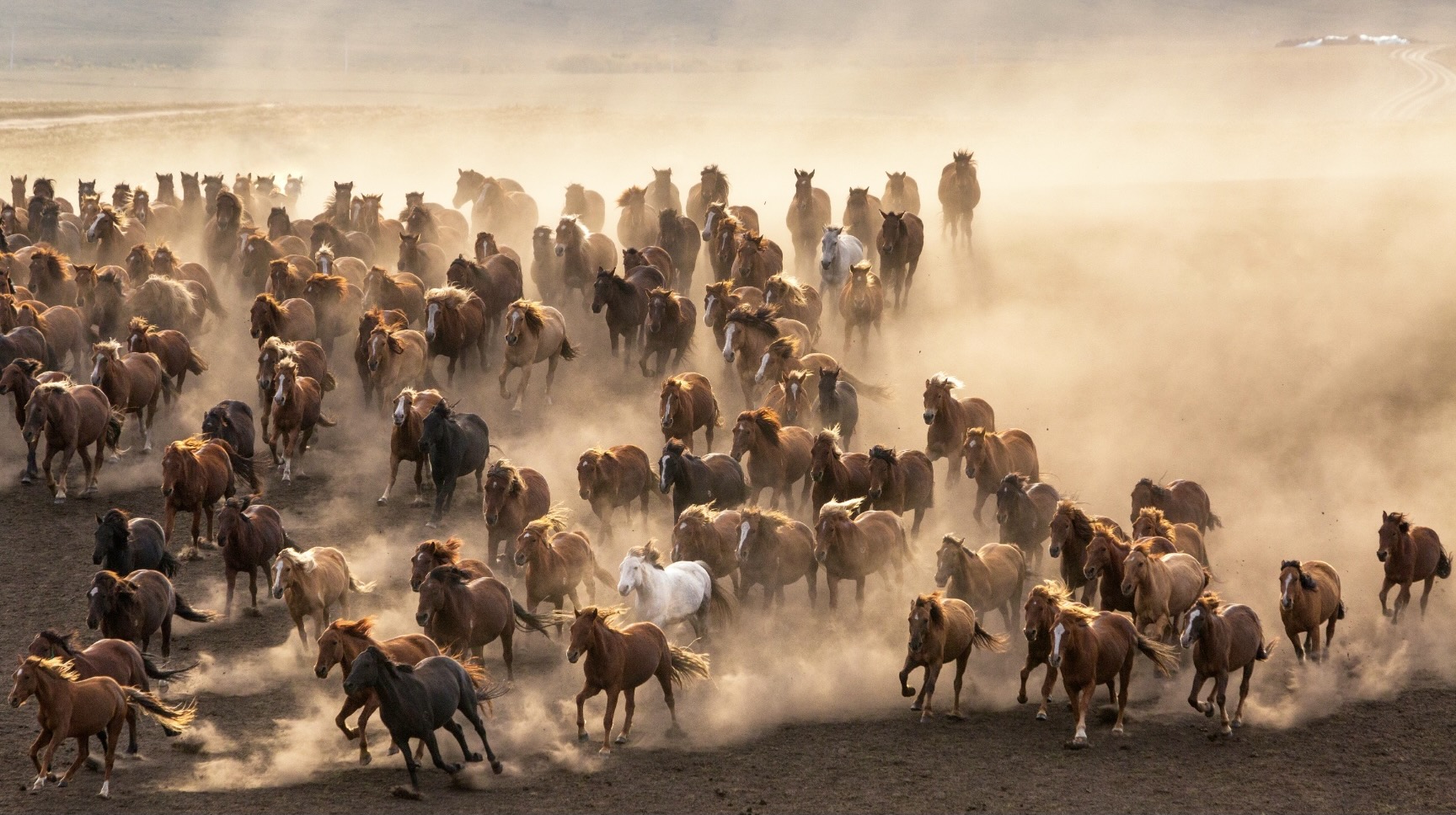
THE END GAME
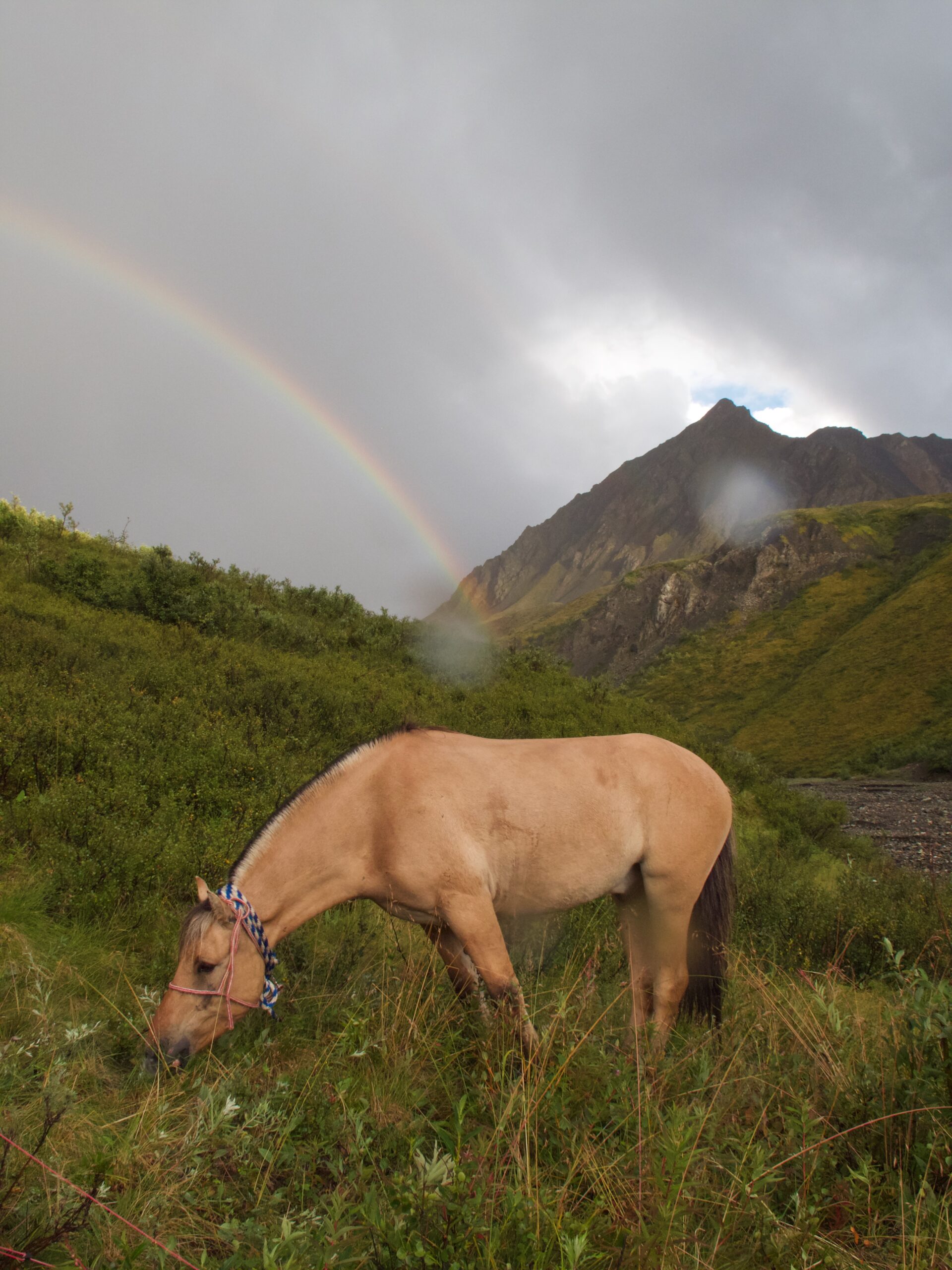
You know you have reached the pinnacle of development and mutual understanding when your horse begins taking initiative during the hunt. Making direct voluntary attempts to help facilitate your success in some way.
I once knew a horse who really exemplified this ability for understanding and partnership. It was a working class foundation Morgan gelding out of an old original bloodline. He was part of a 30 year old breeding program produced by a 72 year old Outfitter. The gelding was named Hawk and wore a chestnut coat and flaxen mane. He was a real show stopper straight out of an old 50’s western. Hawk had been a guide horse on many wilderness hunting trips for the previous decade or more, it was not his first rodeo. It seemed that gelding knew the hunt just as well as the guide at that point. Then, there came a day when something quite remarkable happened.
One early October a hunting client took aim at a mature bull Elk on a wilderness hunt. After letting the woods settle down for a while they saddled up and went to look for the bull. When they got there only a few empty tracks and very little blood was found. That gelding put its nose down to the ground with a snort and a blow then started to slowly walk into the timber on his own accord. He continued forward carefully smelling the ground floor one step at a time occasionally stopping to look ahead, like a professional hunter would do.
The guide recognized the effort and gave the horse a complete loose reign allowing him to continue on his path. Thirty minutes later that gelding suddenly planted his feet, threw his head up high, flung those ears forward and smiled from cheek to cheek. Hawk had tracked down so many Elk with the guide over the years it became second nature to him and he just went with what he knew. He was quite a hunting partner if you ask me, and displayed a perfect example of the harmony and success that can be found in the horse, and the hunt.
“In Memory of Hawk”: RIP 2003
Resources:
“Legacy of The Horse”
International Museum of The Horse – (imh.org)
“The Comanche and His Horse”
True West Magazine: Marshall Trimble- Jan 25,2019

Tyler Beach
Associate at Texas Ranch Sales, LLC
A fourth generation San Antonian, Tyler spent most of his young life on his family’s ranch near Helotes, Texas. Here he gained a strong foundation and passion for hunting, fishing and horsemanship which he carried along with him through his life and career. Tyler has worked in the Professional Outfitting & Guiding industry for the past 20 years.