by: Rashmi Kandel
Co-Founder | Medicinal Mad Honey
Social Entrepreneur | Himalayan Bees & Honey Researcher
Collaborating with 84+ Honey-Hunting Communities
Lalitpur, Nepal
When we discuss the idea of nature protection, we usually think of the contemporary research laboratories, high-tech equipment, and scientific instruments. However, the most effective knowledge is at times provided by people who have lived with nature over the years. Among Indigenous communities in Himalayas particularly in Nepal- wild pollinators have been safeguarded by the locals long before the issue of pollinator conservation came into the international agenda.
Their landscape has been shaped by practices, beliefs and traditions in a way that they have helped the bees, butterflies and other pollinators to survive. These Himalayan lessons are timely today when the world is faced with the dwindling populations of pollinators.
This article will discuss what such Indigenous practices might resemble, how they are protecting the wild pollinator habitats, and what we can learn.

The Himalayas: A Living Home for Pollinators
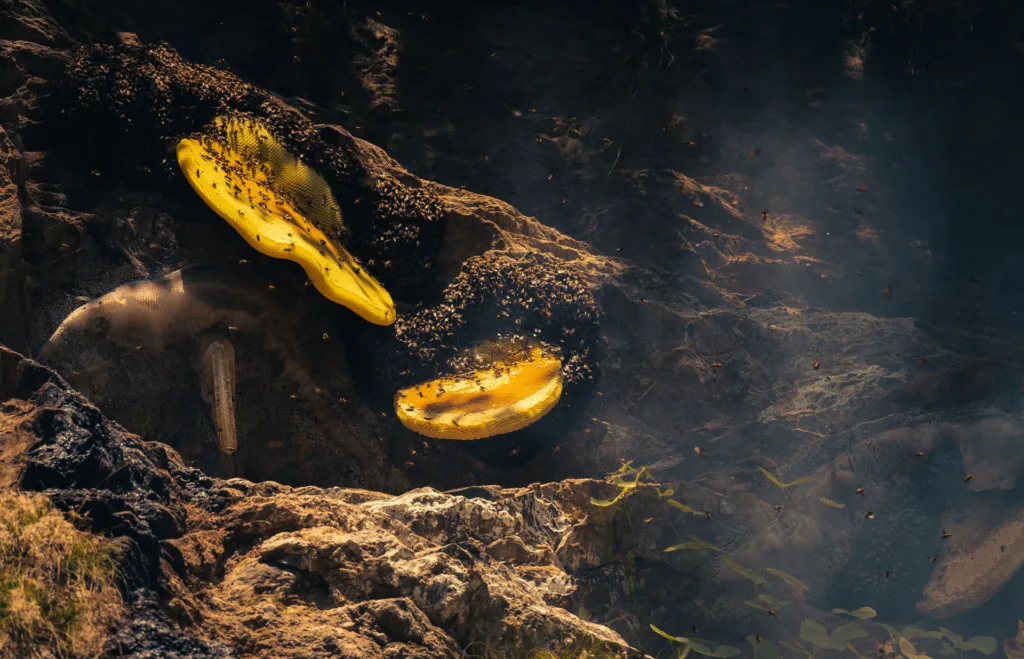
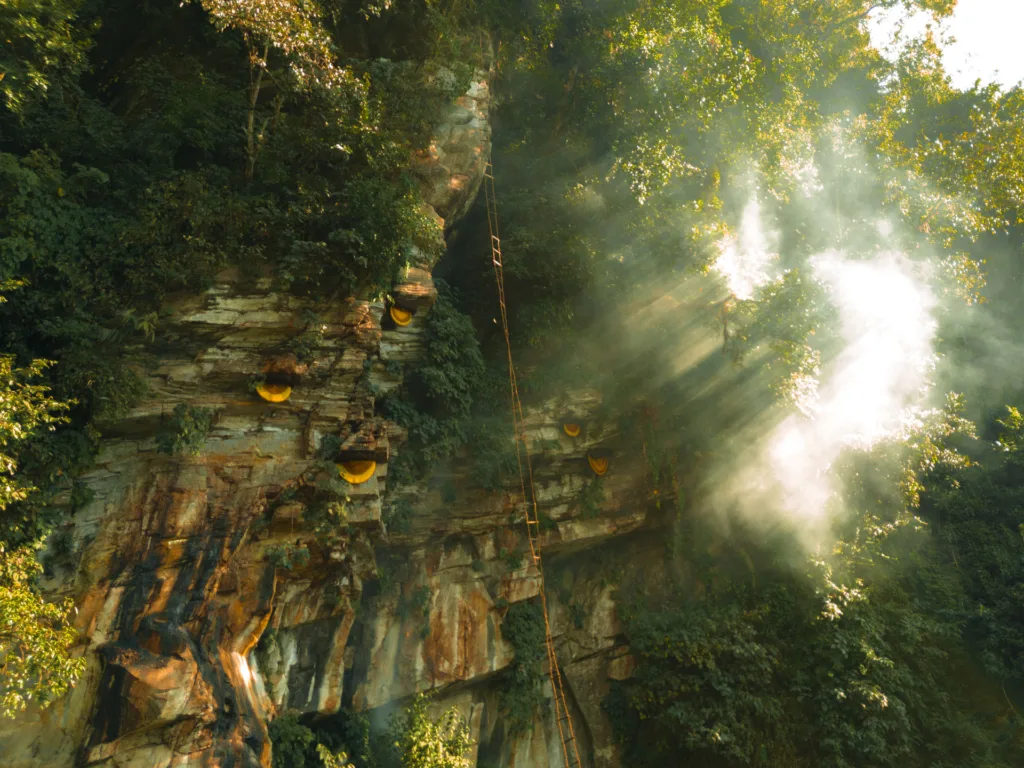
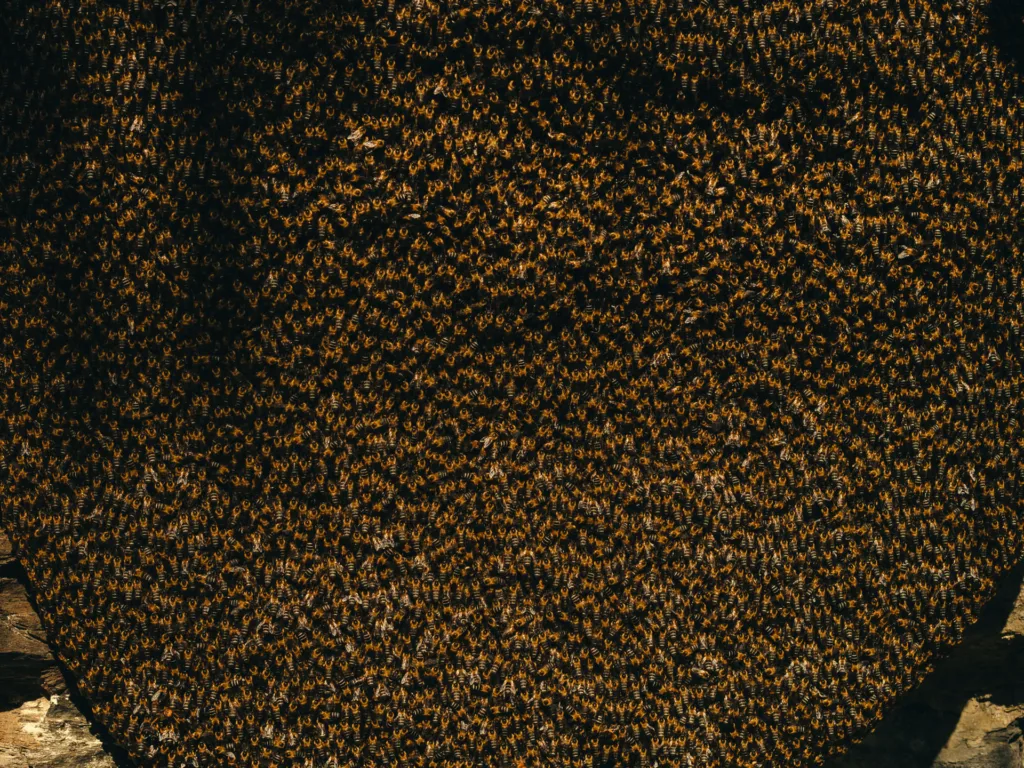
The Himalayan is a not only a mountainous region, it is also a hot-spot of biodiversity. It is also the habitat of thousands of plant species and majority of them need insects to be pollinated. The Himalayan giant honeybee (Apis laboriosa) is one of the most widely-spread pollinators and constructs huge combs on the steep cliffs. Nonetheless, there are other insects like the bumblebees, solitary bees, butterflies, flies as well as birds that are also found in the area and they also contribute to plant reproduction.
Such pollinators have been coexisting with the local communities over centuries. They tend to rely on nature in their food, medicine, and livelihoods and that is why they have a great admiration of the animals that support the ecosystem.

Traditional Honey Hunting: More Than Just Collecting Honey
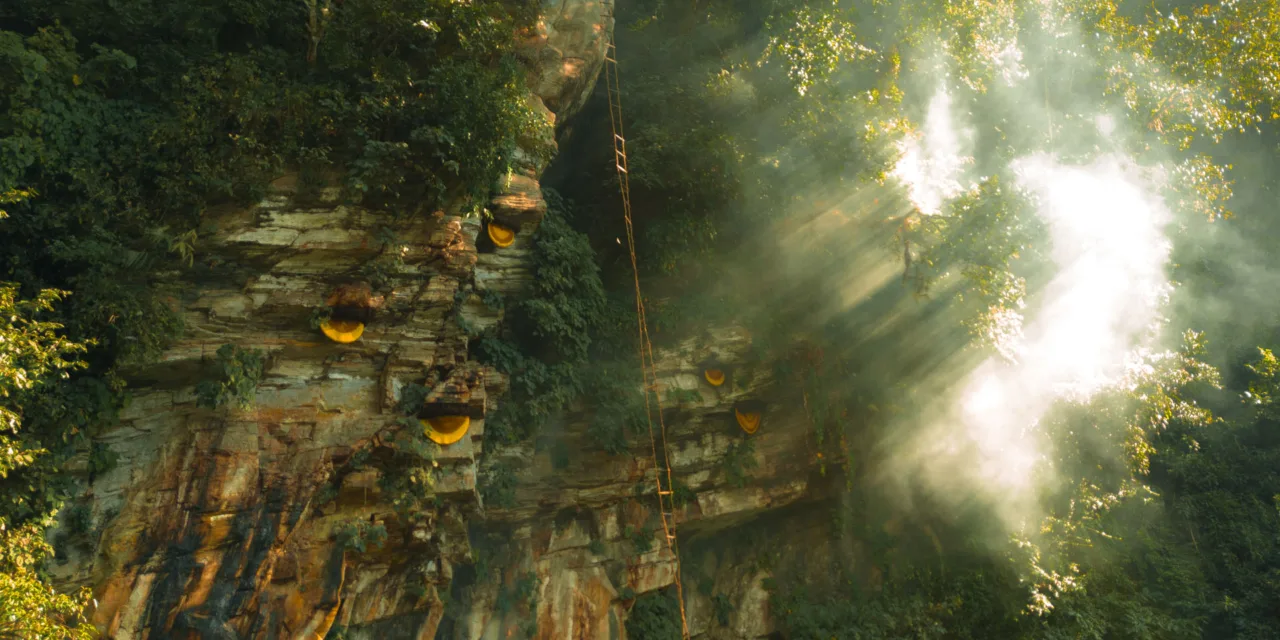
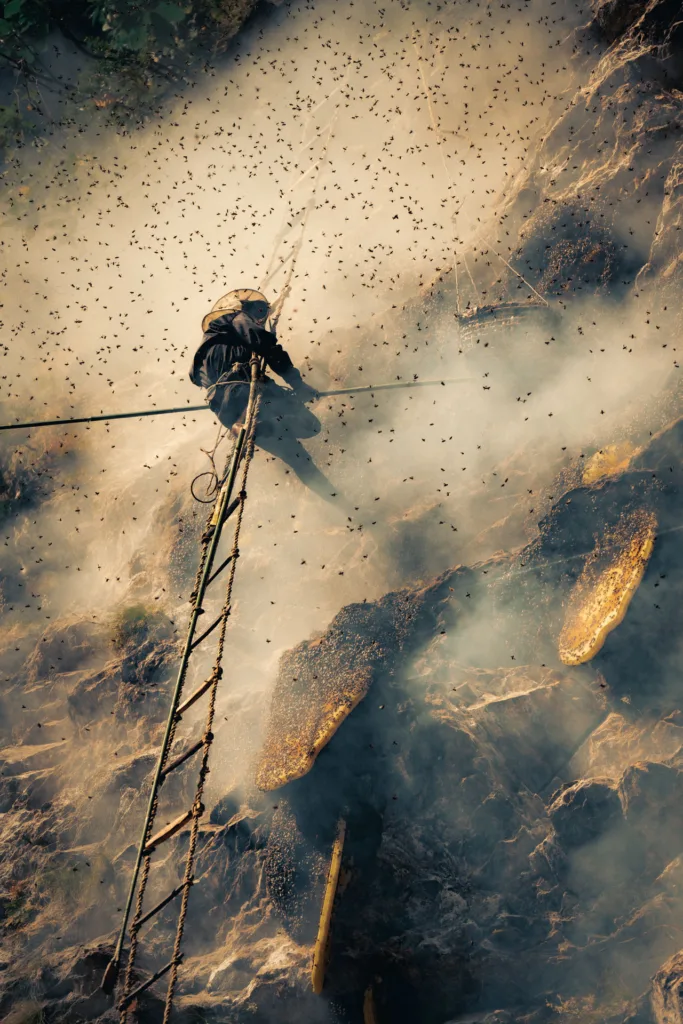
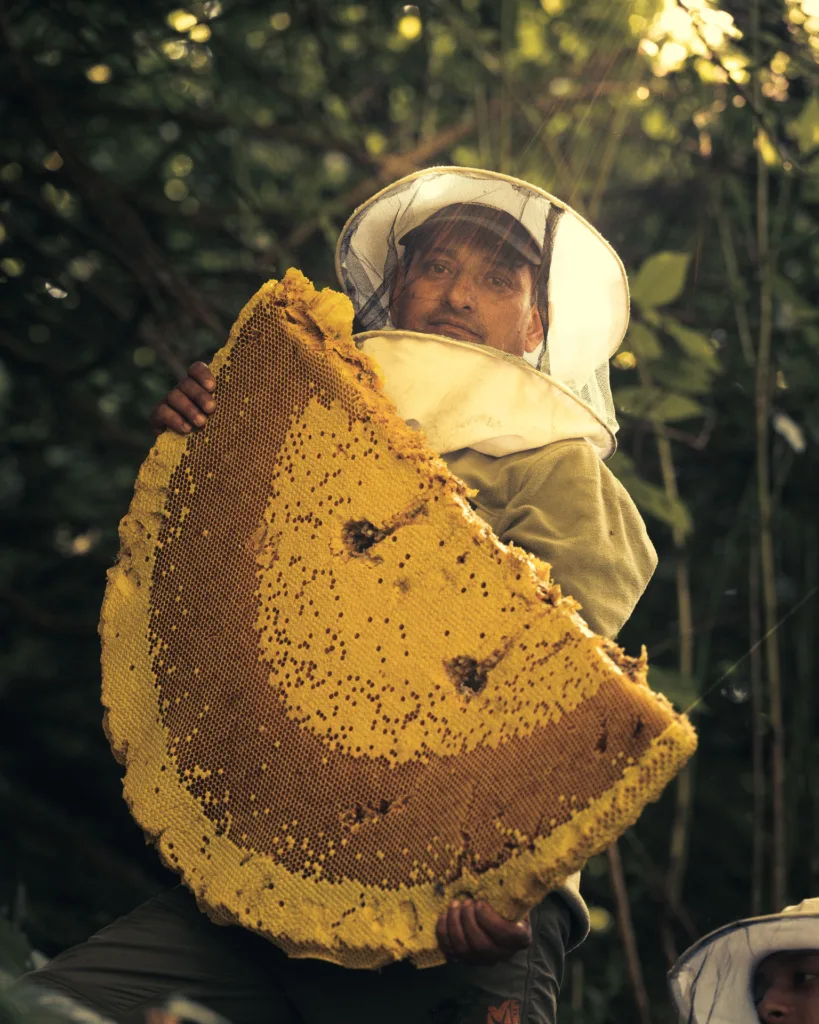
Honey hunting in Nepal is iconic especially the tradition of climbing dangerous cliffs using bamboo ropes to harvest honey from giant honeybees. But this tradition is not only about honey. It represents a complete system of managing pollinator habitats.
Here’s what Indigenous honey-hunting teaches us:
Take Only What You Need
Hunters do not destroy the entire hive but leave some of it to be rebuilt by bees. They do not kill broods (bee larvae) unless they have to. This guarantees the survival of the colony.
Follow the Seasons
Only at certain seasons when the hive is powerful, honey is collected. This seasonal respect does not pressurize the bees.
Respectful Harvest Rituals
Prior to harvesting, hunters make prayers requesting nature to allow them. These rituals can appear symbolic, and they build a sense of responsibility.
Avoid Overharvesting
Societies understand that excessive harvesting of honey will have an overall impact on the whole ecosystem, including plants, forests and the harvest to come.

Forest Stewardship: Protecting Pollinator Homes
Himalayan communities traditionally manage forests with the idea of shared responsibility. Instead of cutting down trees freely or using land without limits, they follow community rules.
Community Forests
Villages manage forests together. They decide which trees can be cut, which areas must remain untouched, and what plants should be protected. This collective decision-making helps maintain stable habitats for pollinators.
Sacred Forest Zones
Some areas are considered sacred and are never disturbed. These untouched forests naturally become strong pollinator habitats, with abundant flowering plants.
Plant Diversity
Native people do not plant monocultures but a variety of plants. Food to the various types of pollinators increases
Indigenous Farming Systems That Support Pollinators
The modern day farming industry is based on the application of chemicals and large monocultures. However, Himalayan agriculture is a traditional one, which is founded on the natural cycles and the observance of the environmentally friendly practices.
Mixed Farming (Agroforestry)
The farmers cultivate crops along with trees and wild plants. Trees bloom at varying periods of the year, and bees have food all the year round.
No or Low Chemicals
Traditionally, Himalayan farmers do not use chemical pesticides. Instead, they use homemade, plant-based repellents. This keeps pollinators safe.
Bee-Friendly Crops
Mustard, buckwheat, millet, and wild berries attract bees. These crops grow naturally in high-altitude fields and provide nectar for months.
Leaving “Weeds” for the Bees
What we often call “weeds”—villagers may see as essential plants. Many grow wildflowers between crops because they feed pollinators.
Indigenous Timing and Seasonal Knowledge
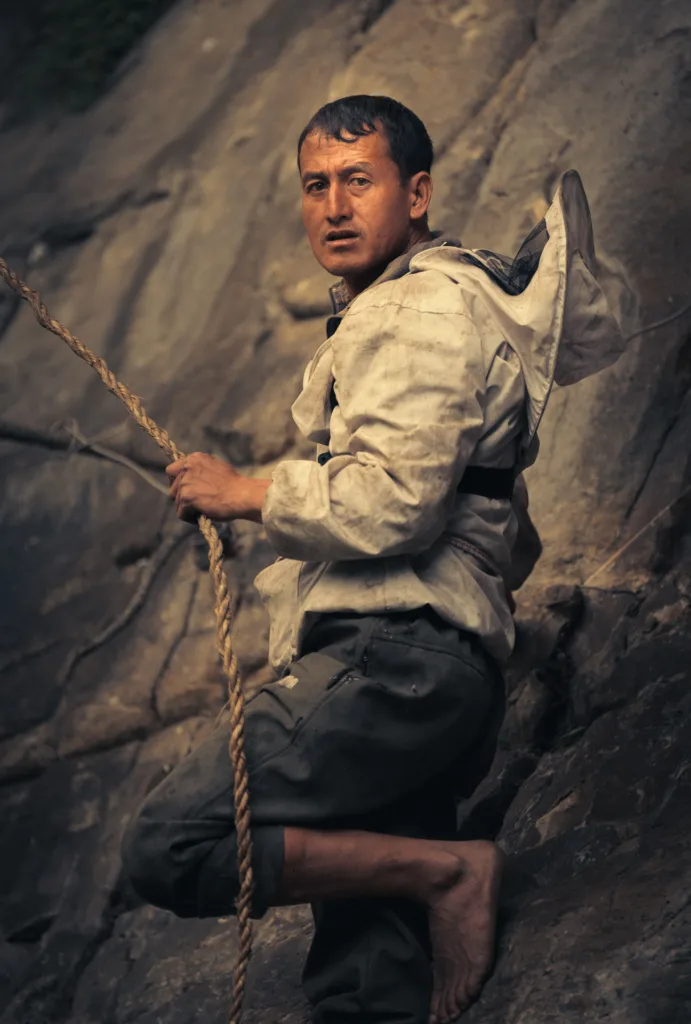
Himalayan people know the time of nature. They can see the rainfall, the plant blooming seasons, and the behavior of bees not in books but in experience that has been transmitted over generations. For example:
They know when rhododendrons bloom and when bees migrate.They understand which months bees produce the most nectar.
They know when certain butterflies appear and what plants they rely on.
This traditional ecological knowledge helps maintain balance. It prevents farming activities or forest use during sensitive times for pollinators, such as breeding or migration periods.
The Role of Culture and Spirituality
In many Himalayan regions, nature is not something separate from life—it is part of identity, culture, and spirituality. Pollinators, forests, waterfalls, and animals often appear in local myths and festivals.
Bees as Sacred Creatures
Some communities believe bees bring harmony and good fortune. Killing bees or destroying hives unnecessarily is considered disrespectful.
Forest Gods and Spirits
Forests—home to thousands of pollinators—are believed to be protected by deities. This cultural respect prevents deforestation.
Ritual Planting
Some villages plant specific trees as part of community celebrations. These trees later become food sources for pollinators.
Climate Change Awareness Without Scientific Terms
Indigenous communities may not use terms like “climate crisis” or “habitat fragmentation,” but they notice real changes:
- Flowers blooming earlier than usual
- Reduction in bee activity during certain seasons
- Bees migrating to higher altitudes
- Higher frequency of forest fires
- Shorter blooming seasons
Their observations help the scientists to know what the climate change causes to pollinators. And because the Indigenous people rely directly on nature, they can quickly adapt by planting more species that are resistant to climate, protecting water sources, and altering the harvest time.
Community-Based Conservation: Everyone Works Together
One of the strongest Himalayan approaches to managing pollinator habitats is community involvement.
Shared Responsibilities
Villagers take turns watching over forest areas and reporting illegal activities that may harm bees, like deforestation or poaching.
Youth and Elders Working Together
Elders share knowledge, and youth help implement modern tools—like mapping forests or tracking bee populations with mobile phones.
Women’s Role in Conservation
Women often collect forest herbs, manage home gardens, and decide which plants to cultivate. Their choices influence pollinator food availability.
What We Can Learn and apply globally
Protect wild habitats, not just farms
Farmers should not be the only beneficiaries of natural forests and wild plants, which pollinators require. Good pollination is maintained in healthy ecosystems.
Use low-impact harvesting methods
Whether you harvest honey, herbs, or timber—take only what you need.
Encourage plant diversity
Various species of plants provide food throughout the year to the pollinators.
Reduce chemical use
Pollinators are weakened by chemicals. Natural substitutes do not have an adverse effect on the ecosystem.
Learn from local knowledge
Societies that exist near the natural environment are aware of patterns that scientists fail to notice.
Combine tradition with modern science
Traditional knowledge + modern research = stronger conservation strategies.

A Special Message For Texas Beekeepers
Honey bees are alarmingly decreasing in Texas and beekeepers here have a lot to learn from the Himalayan indigenous practices. To protect the bees’ population, careful studies can explore the non-chemical methods that actually can prevent or control any type of diseases the bees are prone to. Less chemical use also means fewer traces of toxic metals in the final bee product.
Another important side to consider is detailed information on plant preference, especially in regions of Texas where nectar dearth occurs at certain times of the year. Altogether, a lot can be learned- an understanding of floral sources bees prefer to feed on, bee behaviour in detail and traditional practices combining modern techniques- all need to be comprehensively and thoroughly studied and applied for a promise of sustainability.
Final Thoughts:
The wild pollinators have importance to food security, the biodiversity and healthy ecosystems. Simple rules of respect, harmony, and sustainability have helped Himalayas Indigenous people to maintain their condition in a thousand-year-long time without any complex systems and mechanisms.
Globally, the pollinators are becoming extinct on earth and the mountains must speak. Through the Indigenous knowledge, we will be in a position to create a future where man and pollinators will co-exist.
Website: medicinalmadhoney.com/