
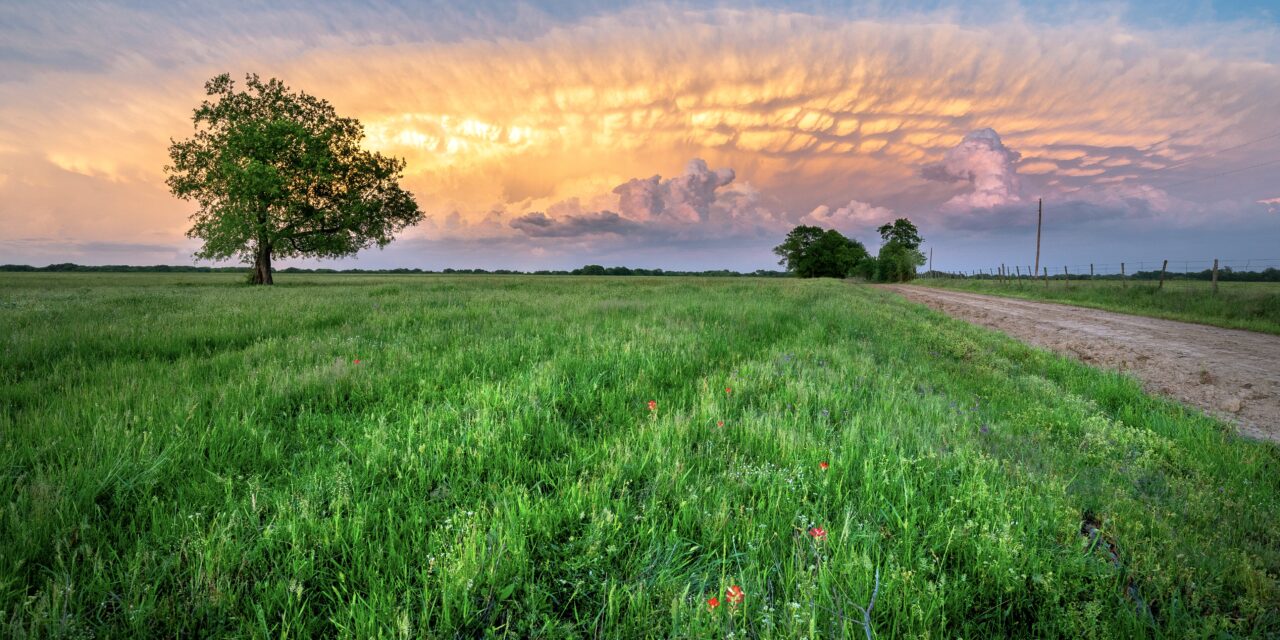
The 2018 Farm Bill, a cornerstone of U.S. agricultural policy, expired on September 30, 2024, leaving Texas farmers and ranchers in a state of uncertainty. This critical legislation encompasses programs vital to agriculture, such as crop insurance, nutrition assistance, conservation efforts, and rural development initiatives. Without a renewed Farm Bill, the stability of Texas’s $23 billion agricultural industry is threatened.
Impact on Texas Agriculture:
- Crop Insurance: The expiration of the Farm Bill jeopardizes the availability of crop insurance, which serves as a critical safety net for Texas producers facing unpredictable weather events like droughts and hurricanes. Without this support, farmers and ranchers are more vulnerable to financial losses.
- Nutrition Assistance: Programs like the Supplemental Nutrition Assistance Program (SNAP) are integral to Texas’s food security. Delays in reauthorizing the Farm Bill could disrupt these services, impacting consumers and producers who rely on stable markets.
- Conservation Programs: The Farm Bill funds conservation initiatives that help Texas farmers manage natural resources, including water and land. Without continued funding, efforts to preserve the state’s unique ecosystems and agricultural productivity may be compromised.
Political Landscape:
The delay in passing a new Farm Bill stems from partisan disagreements over key provisions. The House Agriculture Committee passed the Farm, Food, and National Security Act of 2024 in May, but it has yet to be voted on by the full House. Additionally, the Senate has not released its legislative text, further prolonging the uncertainty.
(Source: Floridian Press)
Consequences of Inaction:
- Economic Impact: Without a renewed Farm Bill, Texas farmers and ranchers, especially smaller family-owned operations, may face financial instability. Federal support is critical for sustaining these operations, and its absence could drive many out of business.
- Supply Chain Disruptions: The uncertainty surrounding agricultural programs may disrupt food supply chains, affecting local markets and national food security.
- Rural Communities: Texas’s rural areas could experience challenges due to reduced access to funding for infrastructure, education, and development projects that are vital for maintaining vibrant agricultural economies.
(Source: Express News)
Efforts to Address the Delay:
Texas agricultural organizations and advocacy groups are actively lobbying Congress to finalize the Farm Bill, emphasizing the need to protect the interests of farmers and ranchers. Temporary extensions or alternative measures are being considered to maintain critical funding until a comprehensive bill is passed.
H.R. 8467 – Farm, Food, and National Security Act of 2024
The Farm, Food, and National Security Act of 2024 (H.R. 8467) is currently under consideration in the U.S. House of Representatives. This legislation seeks to reform and continue agricultural and other programs of the Department of Agriculture through fiscal year 2029. The full text of the bill is available on the Library of Congress’s Congress.gov website.
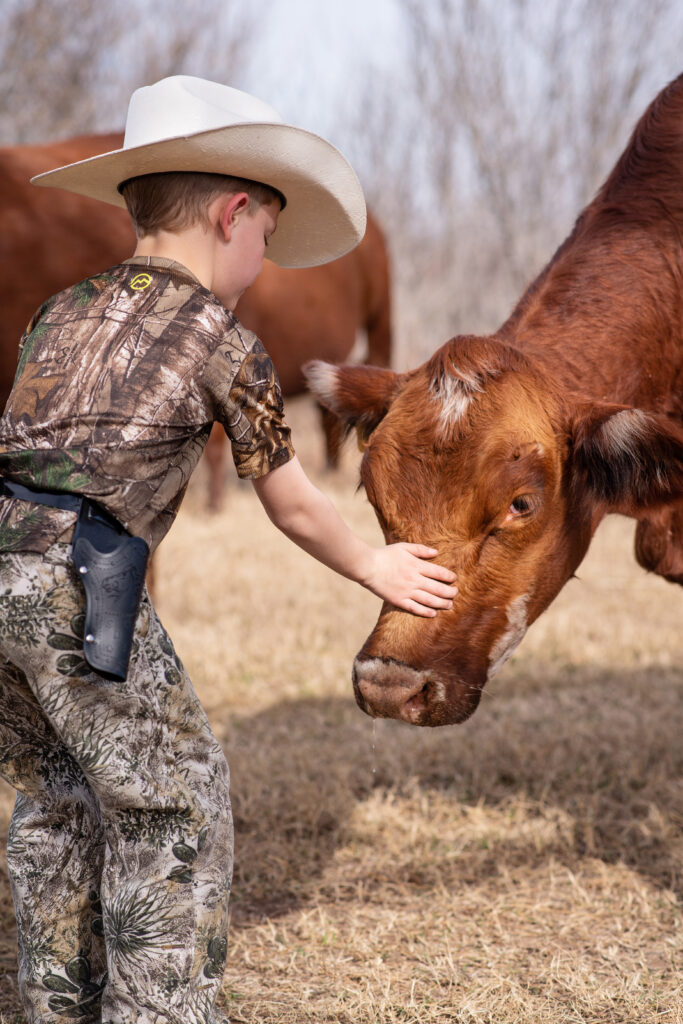
Photo provided by Laura Squire
How You Can Help:
Here are three ways you can help advocate for the timely passage of the new Farm Bill:
1. Contacting Elected Officials:
- Reach Out to Representatives and Senators: Contact your U.S. Senators and Representatives to express your concerns about the Farm Bill. Politicians respond to their constituents, so voicing support for agricultural programs, crop insurance, conservation efforts, and nutrition assistance is important. Phone calls, emails, or even attending town hall meetings can be effective ways to make your voice heard.
- Encourage Lawmakers to Act Quickly: Given the urgency of the situation, urge lawmakers to prioritize the Farm Bill and pass it before the temporary extensions run out.
U.S. Senators from Texas:
- Senator John Cornyn
- Phone: (202) 224-2934
- Website: www.cornyn.senate.gov
- Senator Ted Cruz
- Phone: (202) 224-5922
- Website: www.cruz.senate.gov
U.S. Representatives from Texas:
- Representative Chip Roy
- Phone: (202) 225-4236
- Website: www.roy.house.gov
- Representative Mike Conaway (Retired, former House Agriculture Committee Chairman)
- Phone: (202) 225-3605
- Website: www.conaway.house.gov
- Note: While he has retired, his influence in Texas agriculture remains strong, and his office may still be helpful for advocacy purposes.
- Representative Henry Cuellar (Member of House Appropriations Committee, including Agriculture Subcommittee)
- Phone: (202) 225-1640
- Website: www.cuellar.house.gov
- Representative Louie Gohmert
- Phone: (202) 225-3035
- Website: www.gohmert.house.gov
- Representative Mike Gallagher
- Phone: (202) 225-5164
- Website: www.mike-gallagher.house.gov
- Representative Jodey Arrington (Member of House Committee on Agriculture)
- Phone: (202) 225-4005
- Website: www.arrington.house.gov
- Representative Randy Weber
- Phone: (202) 225-2831
- Website: www.weber.house.gov
- Representative Kevin Brady
- Phone: (202) 225-4901
- Website: www.brady.house.gov
State Officials:
- Governor Greg Abbott
- Phone: (512) 463-2000
- Website: www.gov.texas.gov
- Texas Commissioner of Agriculture Sid Miller
- Phone: (512) 463-7476
- Website: www.texasagriculture.gov

Photo provided by Michael Petrick
2. Engage with Agricultural Advocacy Groups:
- Join Agricultural Organizations: Groups like the Texas Farm Bureau and Texas Cattle Feeders Association actively lobby for policies that benefit farmers and ranchers. By joining or supporting these organizations, you can contribute your voice to larger advocacy efforts.
- Texas Farm Bureau
- Website: https://www.texasfarmbureau.org/
- The Texas Farm Bureau is a powerful advocate for the state’s farmers and ranchers, lobbying for agricultural policies, crop insurance, and disaster relief.
- Texas Cattle Feeders Association
- Website: https://www.tcfa.org/
- This organization works to advocate for the beef cattle industry in Texas and across the U.S., providing resources and policy lobbying to support cattle feeders.
- Texas Sheep and Goat Raisers Association
- Website: https://www.txsheepgoat.com/
- The Texas Sheep and Goat Raisers Association focuses on the interests of sheep and goat farmers in Texas, lobbying for legislation that benefits livestock producers.
- Texas Pork Producers Association
- Website: https://www.texaspork.org/
- This association represents Texas pork producers, providing advocacy for policies affecting the swine industry and promoting pork production.
- Texas Association of Dairymen
- Website: https://www.txda.org/
- This organization serves dairy farmers in Texas, advocating for policies that help sustain and grow the state’s dairy industry.
- Texas Farm Bureau
- Participate in Advocacy Campaigns: Many agricultural organizations run grassroots campaigns to influence lawmakers. This can include signing petitions, attending rallies, or spreading the word about the importance of the Farm Bill.
3. Social Media Advocacy:
- Raise Awareness: Use platforms like Twitter, Facebook, and Instagram to share information about the Farm Bill and its potential impact on Texas agriculture. Tagging elected officials, agricultural organizations, and influencers can amplify your message.
- Use Hashtags: Hashtags like #farmbill2024 and #farmbillnow can help the issue trend and raise awareness among others who may not fully understand the bill’s importance.
By taking these actions, you can help generate the pressure needed for Congress to act quickly and pass a Farm Bill that supports Texas farmers, ranchers, and rural communities.
CLICK HERE to subscribe to Texas Ranch Journal!