Texas Mule Deer
The Species, Management, & Hunting
Mule deer found here in the great state of Texas (Odocoileus hemionus crooki) have populations that vary during wet periods (200,000) to dry periods (100,000) with most of the Texas population inhabiting the Trans Pecos region (80-90%). Unlike the Trans Pecos region, which is comprised of solely the desert Mule deer species, the Texas Panhandle has a mixture of Rocky Mountain and Desert Mule deer which typically lends to larger body sizes and wider antler development than their counter parts in far western regions of the state. In the Texas Panhandle, the Mule deer rut has typically been from mid-November to early December and the Trans Pecos rut has historically been from late December through mid-January. Predation and drought are the biggest factors going against the progression of our hidden state resource, which is indirectly tied to habitat quality. While Mule deer does tend to have smaller home ranges, bucks typically roam over several miles in a year during rut which is another reason these animals are such an interesting state game animal not only to manage, but also to hunt.
How Rainfall Plays a Part
I have recently seen some years with great rainfall where Mule deer numbers were not only up in overall herd numbers, but also in the fawn recruitment and antler development as well. In years with below average rainfall, we typically have found fawn survival rates and antler development significantly lower. It is in my professional opinion; this is directly related to the stress of water available and the overall habitat quality easily accessibly to the resident herds on a particular property. Although we as wildlife and land managers try to supplement feed and water to our properties, there is nothing better than God given rain to our wildlife in this state. The reason for this is the natural habitat growth that comes from these rains. This unfortunately, will always be an unmistakable factor we must contend with.
Supplemental Feeding/Watering
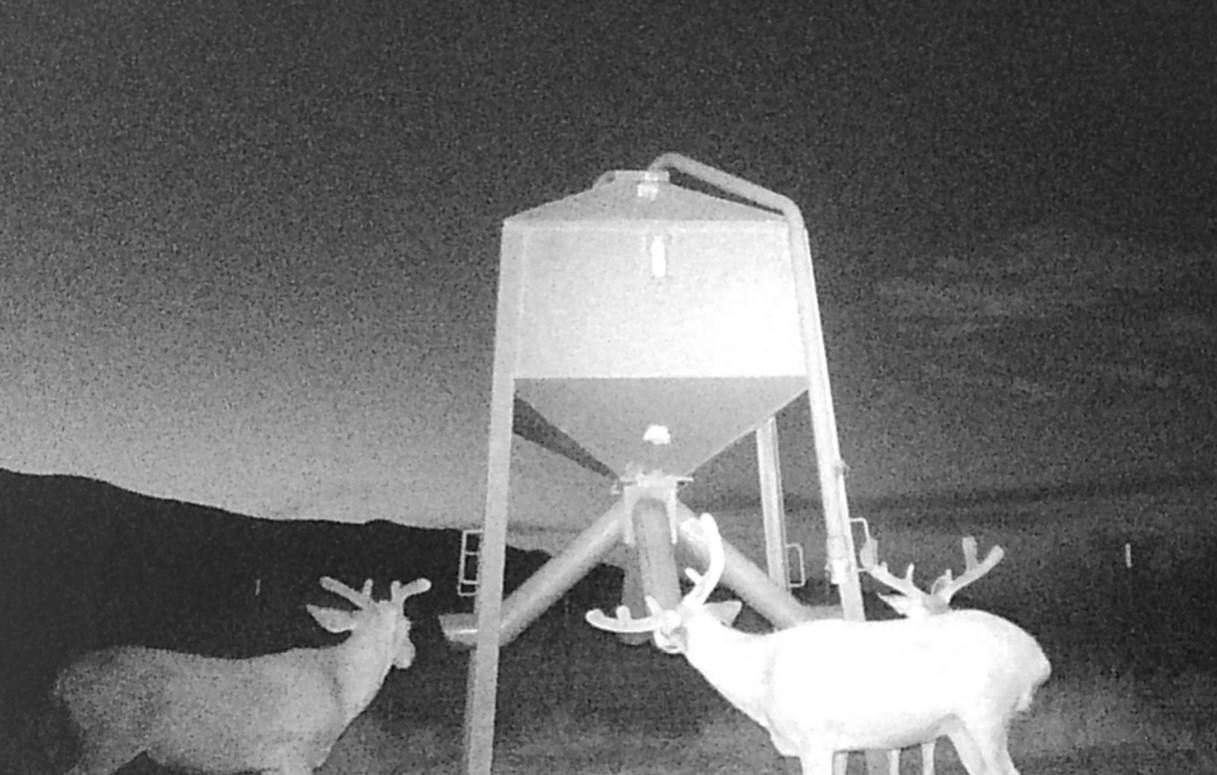
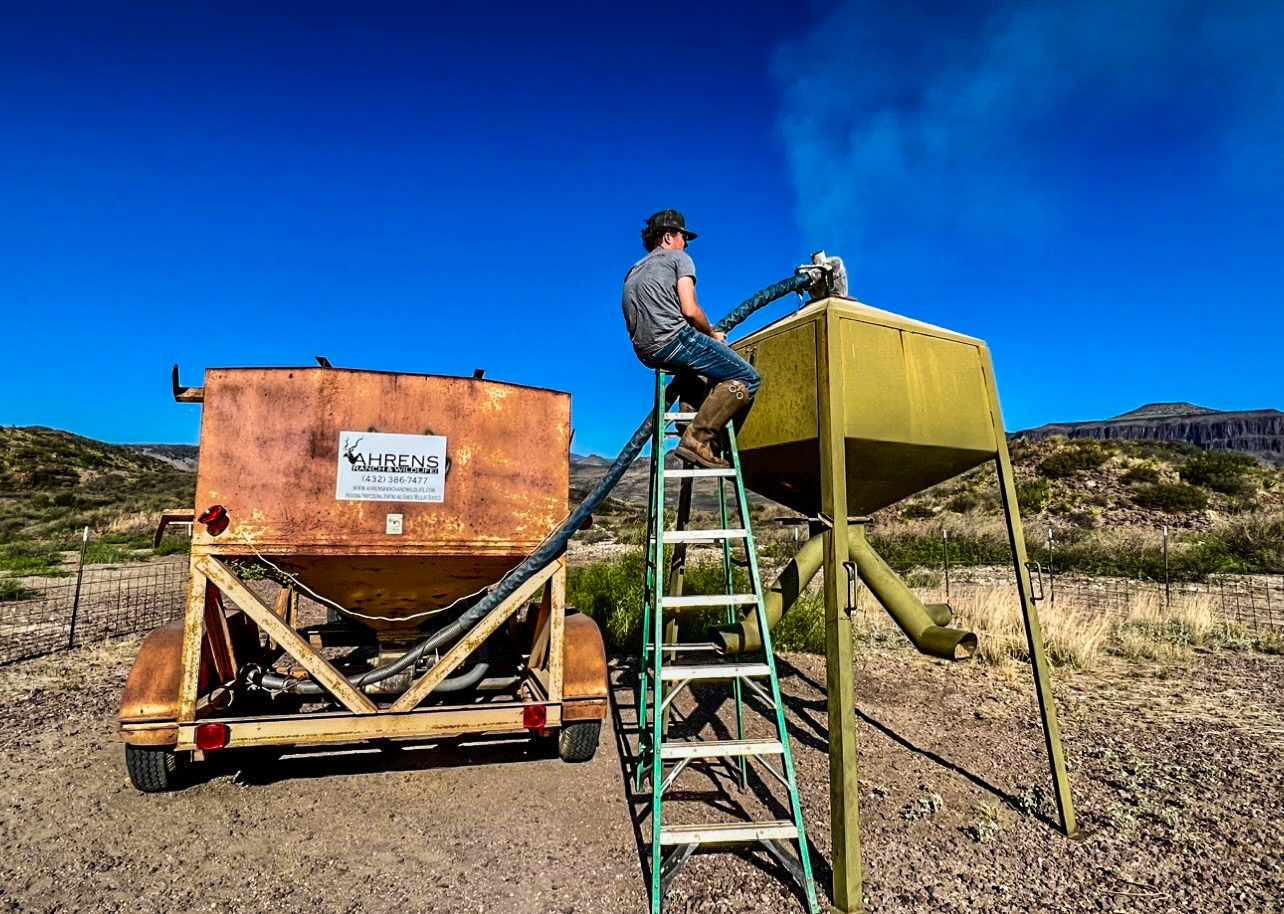
Supplemental feeder and proper watering systems are huge addition to managing, not only for overall Mule deer herd numbers on a property, but also antler growth over time. I have been on ranches that have no supplemental feed but have plentiful watering infrastructures in place and still have good quantity and quality of Mule deer. However, on properties with no water infrastructure and lots of supplemental feed in place, overall deer numbers and quality are down. This is a simple correlation to the fact that the Mule deer needs water. It is my opinion in writing this article that if you truly want to manage your Mule deer herds, you must have a working water infrastructure. In addition to water, supplemental feeding (which in by design is supplementing protein to your deer herds, not just attracting) is another great tool in a wildlife manager’s toolbox regarding the Texas Mule deer. I personally feed an 18% protein pellet free choice to our herds on the properties we manage. This supplement is not only beneficial to our does and our newly born fawns but is also important to our buck’s antler development in the growing months as well as recovery after the rut.


The Management
I personally do not allow any harvesting of Mule deer does on any of our properties solely on the reasoning of increasing our overall quantity of deer. When we have trophy Mule deer hunters, we do not allow bucks to be taken unless they are at least seven years of age or older. This practice allows these bucks not only to reach their peak potential in antler growth, but also ensures they are passing along more desirable traits. Regarding management buck hunting (less desirable antler trait bucks) we will allow bucks to be taken as early as three years of age. It does not do any good to manage your top end of the herd while letting your bottom end continue to spread traits that are not desirable into a program you are building. I would consider a management buck to be anything missing forks (back or front) or presenting undesirable characteristic antler growth such as weak point length, width, or overall configuration.
The Hunt
When hunting these unique creatures, you must always remember that Mule deer are the masters of disguise and deceit. To many times I have seen a mature Mule deer buck completely lie flat with his head on the ground and wait for the passing hunting vehicle to go by only to stand up and continue about his day unseen. In my personal guiding experience in both the Texas Panhandle and Trans Pecos regions, bucks will have their usual home ranges (1-3 miles) from post rut, through antler development, until rut begins. These bucks will travel several miles during the rut in search of does and make several passes through a particular property during this time. I have seen a buck on camera last year in Stinnett, Tx (northeast of Amarillo) for a few days, only to disappear for a period of time and reappear three miles away on a separate camera. I will also note that this buck did in fact make his way back to the original sighting once a week. During the Trans Pecos pre rut, you will typically find your does in the upper hills and mountain ranges while your bucks will be utilizing the lower grease wood flats and dry water drainages. When rut kicks in these bucks begin separating and moving out and the does also begin relocating into lower country compared to their late spring/summer holding areas. One main thing to remember when hunting Mule deer, drive slow and glass slower.
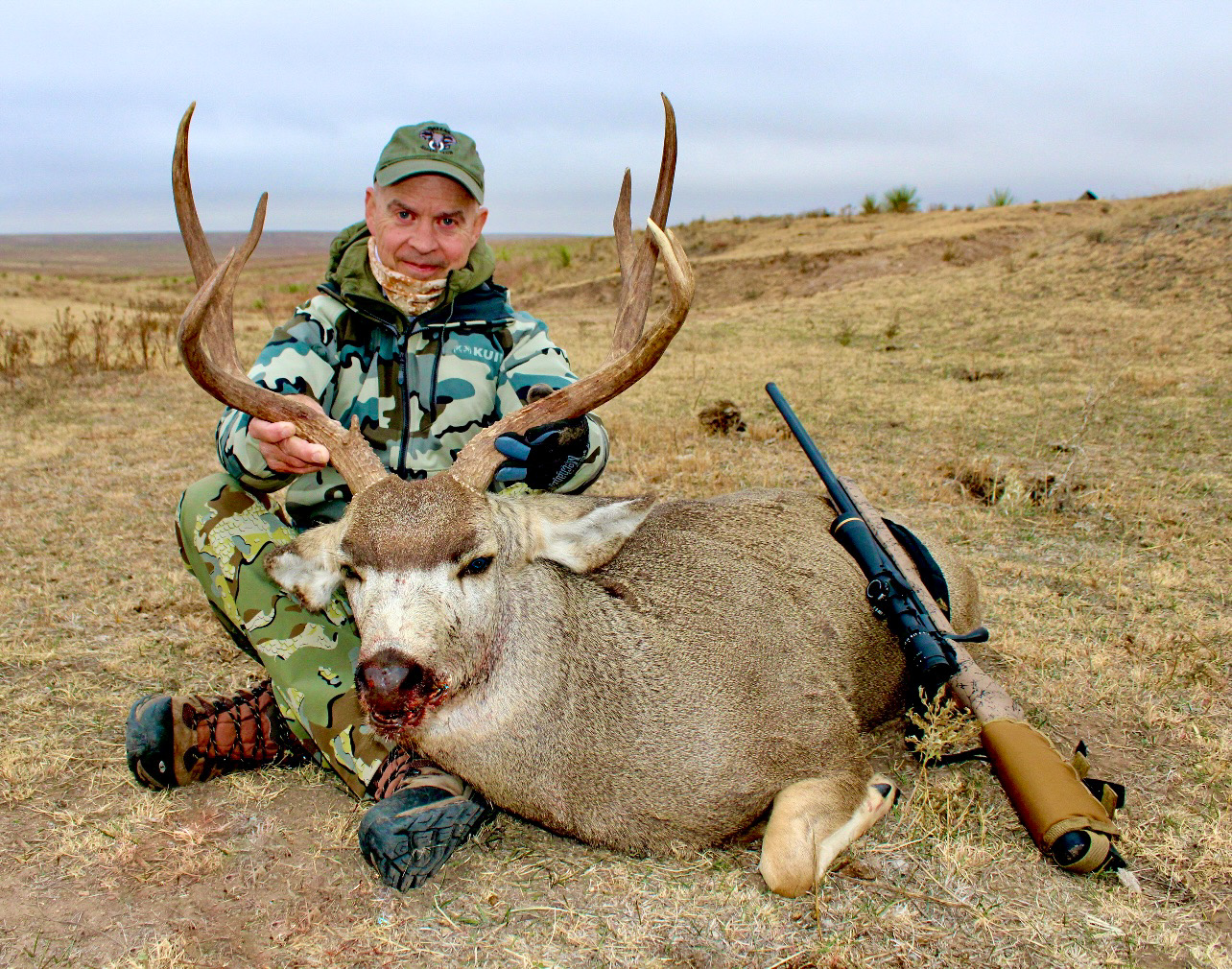


Mule Deer Tips/Tricks
-Even when we find ourselves in a less than adequate raining season, a good water infrastructure and protein feeding program betters the overall quantity and quality of Mule deer herds, plain and simple.
– You can not grow 200” quality Mule deer while harvesting four- and five-year-old 150-160” bucks. Be patient and let your good bucks get a little age on them. Focus on harvesting management bucks and removing the less than desirable traits from the herd composition. I guarantee you will thank me in a few years for this bit of information.
– Do not over manage your property. Some ranches, if holding a healthy population of does, need to focus on a feeding program to benefit recruitment and retention. In this scenario, I would focus on hunting mainly in the rut when bucks would be patrolling into the property in search of does. Regarding properties that generally hold more bucks during the off season, focus on a feeding program that benefits overall buck health and antler development. In this case, I would focus efforts on hunting bucks before they make their rut journey or after, when they return for the off season (be mindful that later in the season these bucks will be broken up from fighting).
There is a no one size fits all strategy for wildlife management or even hunting in Texas for that matter, but I hope that this article is beneficial in some way to a landowner with a question or a hunter preparing for his next Texas Mule deer adventure.