Brand
By Tyler Beach
Our identity… its everything. It says, ‘this is me’! It has a spoken name, its own twang, and a stamp to go with it. These stamps are represented through an ancient, yet simple practice called line art. Some stamps are similar, but they always have a distinguishable difference if you look. Our personality helps differentiate our identity further and is shaped from the heart of our environment. We choose our own character and that gives it all a reputation, recognized under one stamp. This is our identity, and we’re damn proud of it. We own it, and all assets associated with it…. including our livestock.
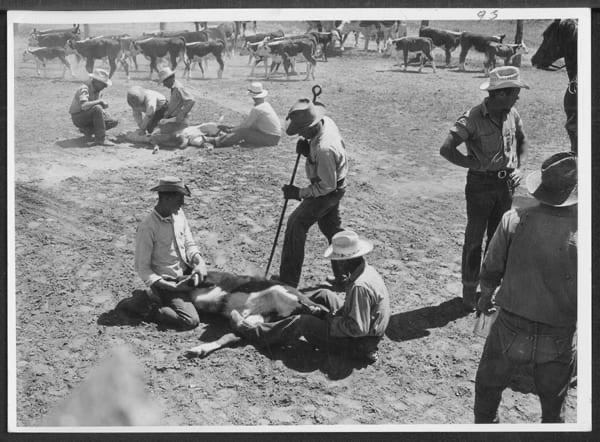
Our stock animals are special and get their own stamp, we call it a ‘Brand’. The Brand our stock carries is directly associated with our name, our identity, and our ownership. Our brand represents not only us, but our livelihood and family heritage. An old Texan once said, ‘Don’t mess with Texas, and Don’t fondle my Brand’, and that pretty much sums it up around here. Only a heathen or a thief would think to mess a rancher’s identity.
Before branding was associated with the old time waddies, brush busters, caballeros, vaqueros, rancheros, and buckaroos of Mexico, the Southwest, and Great Basin areas it was an ancient practice way out east in the Indus valley of Egypt. The first known record of livestock branding dates to over 4,700 years ago, depicted in an ancient Egyptian tomb painting. They too had to eat, needed reliable sustainable sustenance beyond the crop… and they raised their stock animals with great care and protection just like we do.

The origin of the word ‘brand’ dates back to Old Norse, the ancient North Germanic language from which Scandinavian languages derived. The term began as, ‘Brandr’, and originally referred to a piece of burning wood. During late Middle English it graduated into a verb that translated to “mark permanently with a hot iron.” By the seventeenth century, it represented a ‘mark of ownership made by branding’ as we know it today.
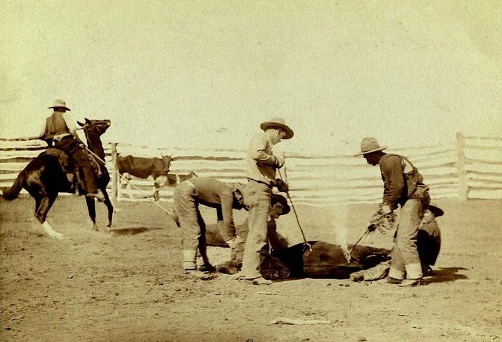
It was when the Spaniards brought their branding practices into New Spain that ‘our’ branding history began. In 1519 Hernán Cortés landed in South America with 500 men and 15 horses. During the late sixteenth century in the valley of Mexicalzimgo, south of modern Toluca, Mexico, he experimented with cattle breeding and began branding those dogies. His cattle wore the brand of the three Latin crosses, representing the Father, Son and Holy Ghost.
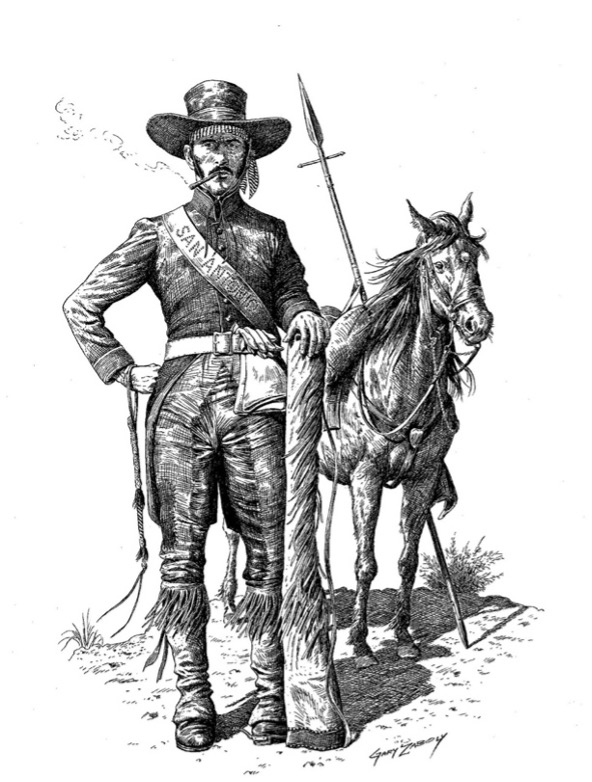
In New Spain, all cattle owners were required to have a different brand, and each brand was to be registered in what was undoubtedly the original brand book of the Americas. The book was first kept in Mexico City, but later was moved to the largest Spanish settlement in Texas, the Presidio San Antonio de Bexar. Early Spanish brands generally consisted of more pictographs than the combination of symbols and letters that we associate with modern cattle brands. Spaniards being notably passionate people designed their brands to represent their sentiments and passions in beautiful ways. The Texians often referred to these traditional brands as “dog irons” or “quién sabes” (Spanish for “who knows?”) since they could not be easily read.
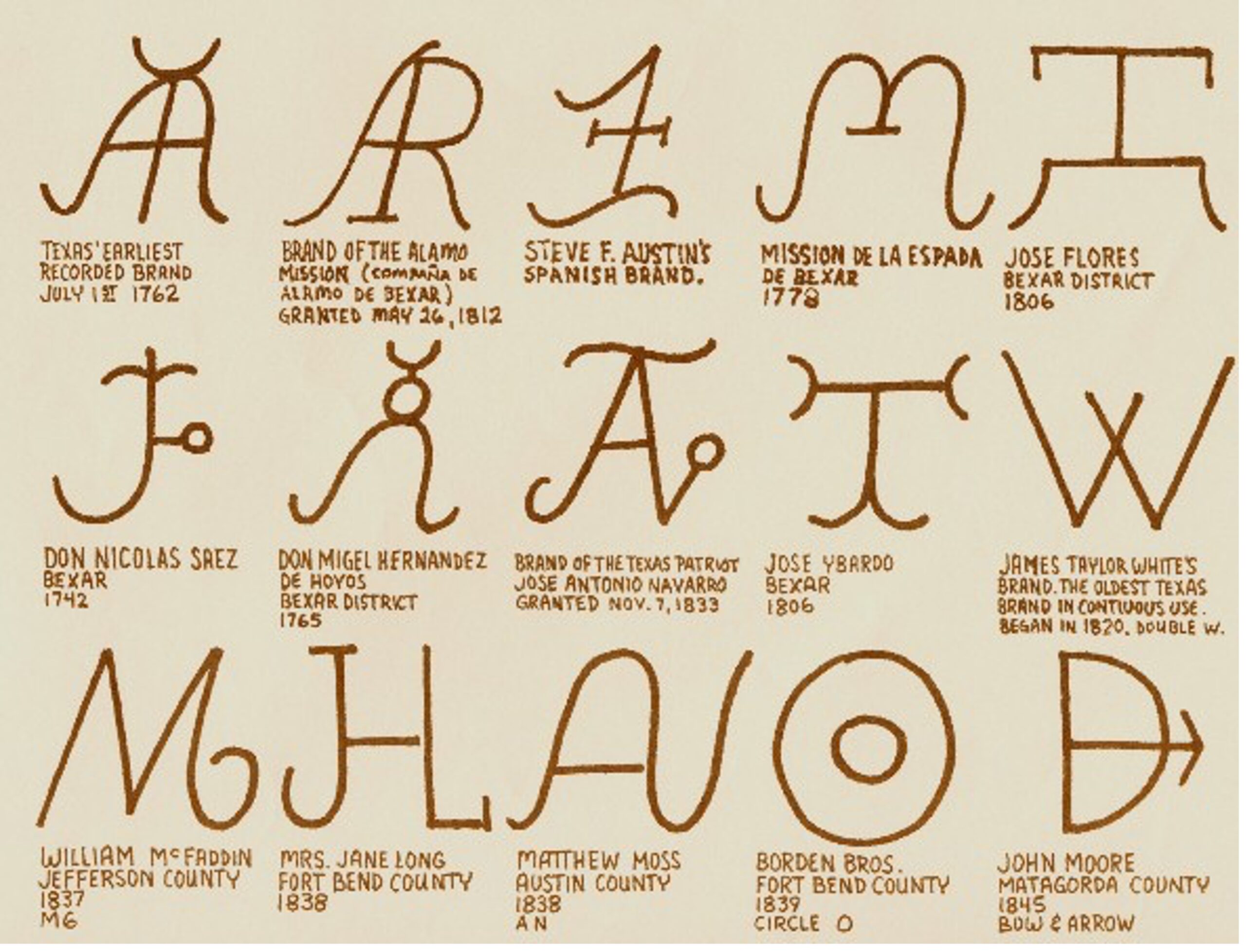
A ranchero would compose his own brand to raise cattle. When his first son acquired his own livestock, a curlicue or pendant could be added to the father’s brand. As other sons acquired their own, additional curlicues, pendants or serifs would be added to what became the family’s brand. By the 1700s, as the Spanish were moving herds north into Coahuila y Tejas to support the missions they had established in the Rio Grande and San Antonio River valleys, most Spanish brands were still made of pictograms rather than letters.
While historical Spanish cattle brands were often comprised of ornate pictographs, early Texas brands were often formulated with letters. Brands can be comprised of not only letters but also shapes, or symbols, often embellished. Modifications like “lazy,” “crazy,” “flying,” and “walking” were and still are often used to further distinguish there brand…. and their identity. The earliest ‘Anglo’ cattle brand recorded in Texas is believed to be that of Richard H. Chisholm, and registered in Gonzales County in 1832, as the “H C Bar” brand.

When it comes to the real roots of horsemanship techniques used to work cattle and complimentary horse breeding programs to truly excel at it… we owe it to the early Spaniards. Going back even further, the Spaniards in fact owe the majority of their riding skills and techniques used to work cattle to the Moors who were defeated by Spain in 1492 ending their 700-year stronghold in Iberia. Many of the Moors were enslaved at that time, and Cortés brought some of them with him to the Americas to help them succeed in establishment.
In the beginning, Cortés and the conquistadores placed themselves above labor, assigning their work to their Moorish slaves. These enslaved Black Muslim men were the first true Vaqueros. Overtime as things progressed, they needed more Vaqueros and allowed the Native Americans ‘of New Spain / Mexico’ to ride horses and help, only for work, and only without saddles. The Spanish ensured that Native Americans became superior horsemen during this time.
By the 17th century, descendants of the Spanish, Native Americas, and Moors were working cattle using those Spanish methods that were instituted by the Moors. The vaqueros and their refined artful practices played a tremendous role in the establishment, quality, and progression of Texas cattle ranching. A great example of this is one of the most well recognized ranch brands of Texas, the Running W of the King Ranch which used Vaqueros to get things off the ground and establish themselves. Even the vegetarians, vegans, and breakfast taco claimers of Austin recognize that famous King brand right off the bat when they see it, and that says a whole lot. For the Yellowstone fanatics reading this in a Teepee out there in Marfa, keep your hat on and yoga mats laid out… yes, the 6666 is certainly a hell of an empire right alongside the King and we treasure its heritage and history as well, but let’s stick to the story here for now.
Richard King was an intelligent man who saw a tremendous opportunity to utilize all those wild Longhorns that were descendants of the original Mexican cattle. His vision was to create a large scale highly profitable business out of it. He had the business know how… but had no experience with livestock. One of the smartest and most crucial decisions he ever made to make his vision a reality in my opinion was to do whatever it took to find and hire people who knew how to raise and work livestock as well as he knew how to operate and grow a business, and he only wanted the best. To get the best he traveled down to Cruillas, Tamaulipas, in northern Mexico where he recruited around 100 families with the promise of providing them with a comfortable home and work for their lifetime on his ranch. Over time, they adopted the alias of Kineños, or King’s men.
The Mexican vaqueros taught King everything: how to work cattle and train horses, how to cull and keep the best stock, and how to build a ranch. King trusted the vaqueros implicitly and took paternalistic responsibility for their well-being, and the vaqueros rewarded that trust with their loyalty. He pioneered a new level of ranching, and what would become the largest most profitable long-lasting well-known cattle business operations in the world. His identity, business, and legacy were recognized and represented under one brand, the running W.
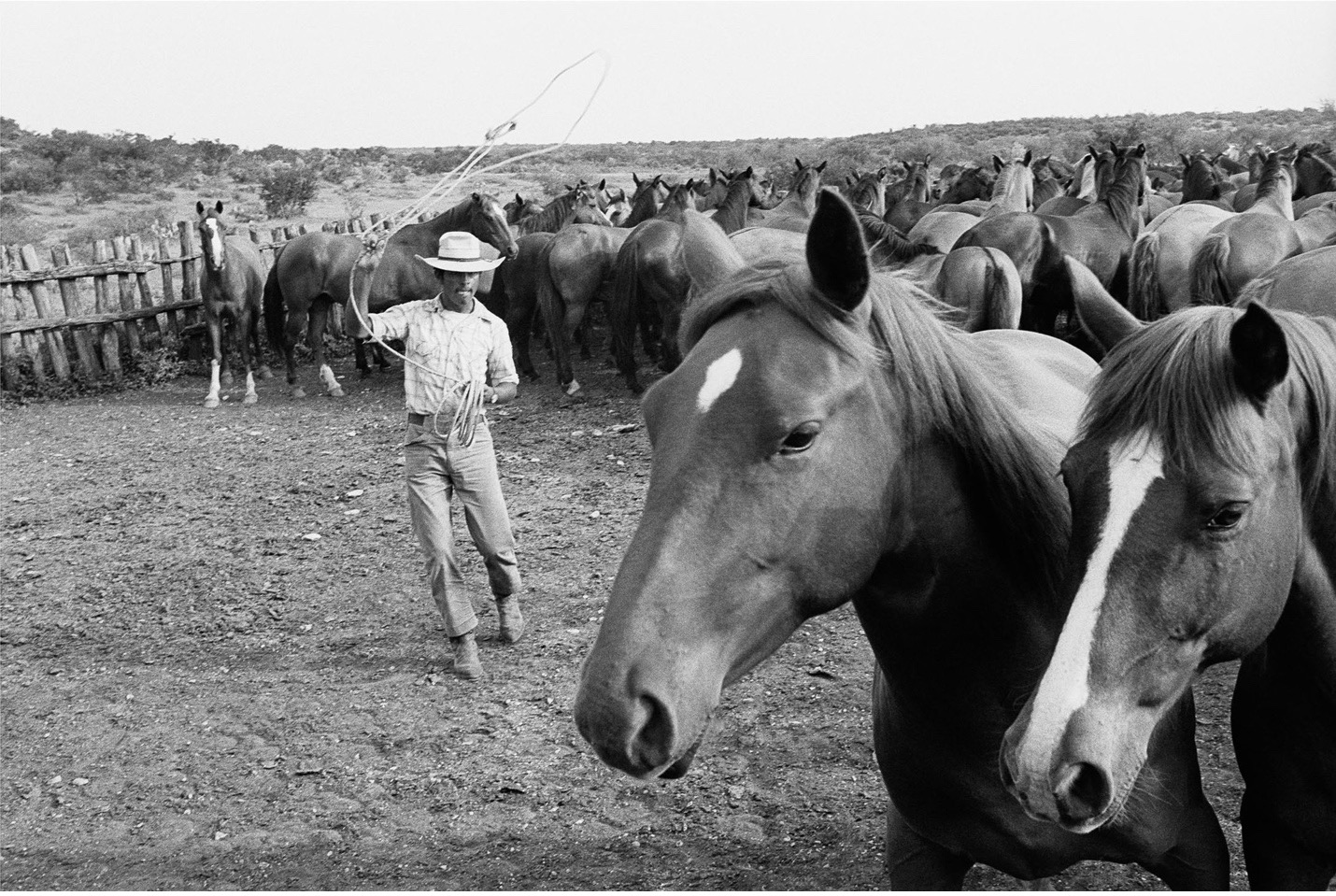
When raising livestock modernized over time and became the level of business as we know it today, business itself at times got its own brand. Some brands stayed the same as the original design representing their family and livestock operation like the Running W, 6666, Pitchfork, XIT, Y.O., Turkey Track, Waggoner, Briscoe and the list goes on. Others morphed into a whole new object and artistry. This was the birth of the corporate brand in the ranching industry.
Within Taylor Holland’s article ‘Origins of Branding’, he wrote: “What, how, and why we brand have changed. But branding today is still about taking ownership. Owning what your company values and represents, owning up to your shortcomings, and earning customer trust and loyalty through your words, your actions, and your stories.”, and I could not have relayed my thoughts and feelings on what branding represents today any better than that for this purpose.
People tend to be drawn towards brands that produce great success, are authentic to who they are, and look good to the eye. In my opinion when it comes to modern day business brands in the lone star state there’s one brand that encapsulates each one of these qualities and truly shines the brightest in my eyes, the brand of Texas Ranch Sales LLC…. and it just so happens that Texas is its brand.
If you have questions about branding, registration, livestock and land ownership, or just need to know where to find a great burger in your area… give me a call.
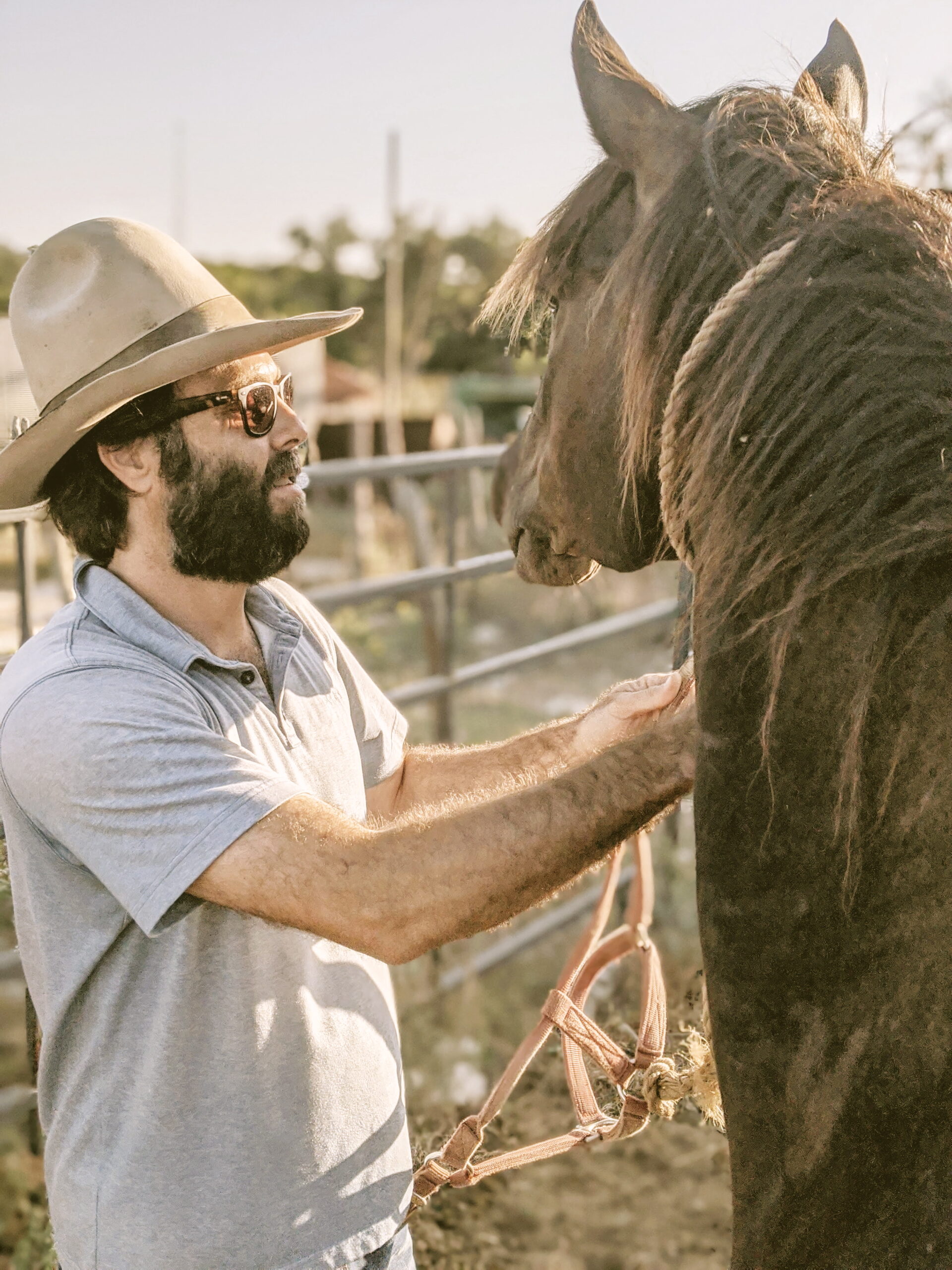
Tyler Beach
Texas Ranch Sales Associate
tbeach@texasranchsalesllc.com
406.531.8441
Sourcees
Legal Use Reference Code
Title 17 U.S.C. Section 107
https://www.law.cornell.edu/uscode/text/17/107
Literary Sources:
Skyword:
“What is Branding? A brief history”
https://www.skyword.com/contentstandard/branding-brief-history/
Texas State Historical Association:
“Cattle Brands”
https://www.tshaonline.org/handbook/entries/cattle-brands
Officialalamo.medium.com
“The Alamo Company: Protectors of the frontier”
https://officialalamo.medium.com/the-alamo-company-protectors-of-the-frontier-5c662b140770
Texas Highways.com
“The Original Cowboys”
Image Sources:
National Cowboy & Western Heritage Museum.
“History of Branding: Irons in the Fire”
Weblink- History of Branding: Irons in the Fire
THSA.org
“Cattle Brands”
https://www.tshaonline.org/handbook/entries/cattle-brands
Texas Highways
“The Original Cowboys”
Officialalamo.medium.com
https://officialalamo.medium.com/the-alamo-company-protectors-of-the-frontier-5c662b140770