The Case for Keeping a .30-30 Lever Gun in Every Ranch Truck and SUV
There’s a particular kind of rifle that lives behind the seat of every ranch truck worth its salt across Texas. It’s got a dusty stock, the action is worn smooth from a thousand cycles, and the scope rings have probably never been touched since the day they were mounted.
Nine times out of ten, that rifle is either a Winchester or a Marlin .30-30 lever gun, and there’s a reason it’s been earning its keep on working ranches since Democratic President Grover Cleveland was in the White House!
The .30-30 Winchester cartridge turned 130 years old recently, and folks who’ve never lived on a ranch tend to ask why anyone would still bother with such an old design. The answer becomes obvious about thirty seconds after a feral hog shows up in the wrong pasture, or a coyote makes a daylight run at the calving lot.
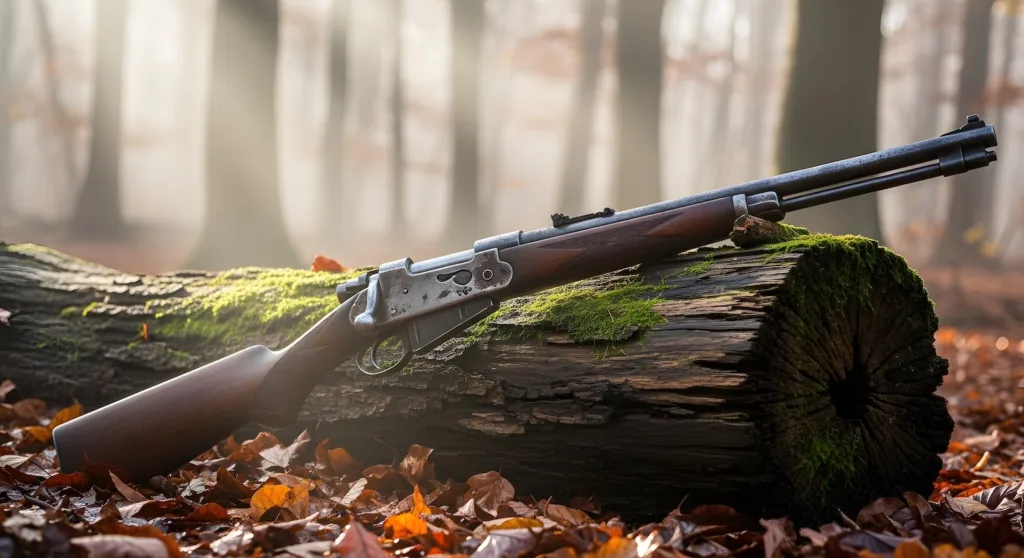
That little lever gun goes from forgotten to indispensable in the time it takes to thumb four rounds through the loading gate.
A Tool That Earns Its Keep Every Day
Ranching is hard on equipment. Trucks will scratch and dent. Saddle leather stains with perspiration. It gets scratched or cut. Boots go through the sole (in some cases) in a short time. Hats get blown off. A rifle left in the cab of a pickup truck needs to be able to withstand its environment without complaining.
Lever guns shine at this type of work. They are great tools for hunting. There are so few parts to break. No detachable mags to misplace. No bolt handles to hang on your seat belt. No accidental trigger pull from the safety lever when reaching into your glove compartment for the radio. This is simply an easy to use and mechanically simple action, which can easily take on dust, dirt and the occasional spill of coffee!
Traditional Marlin 336 and Winchester 1894 94 models have evolved over more than one hundred years of continued manufacturing. Newer Henry rifles add American craftsmanship and smooth actions to their offerings, along with the ability to load rounds through the magazine tube. Regardless of what style someone likes, the basic design elements have been proven far beyond any reasonable doubt.
The Quick-Handling Advantage
The majority of ranch-related issues occur relatively close. The actual issue can be as simple as hogs digging up your food plots, predators approaching your chickens’ coop, or a rattlesnake hiding under your equipment shed. These types of situations are typically inside 150 yards where you could easily take down almost all of North America’s walking wildlife with an accurate .30-30 shot.
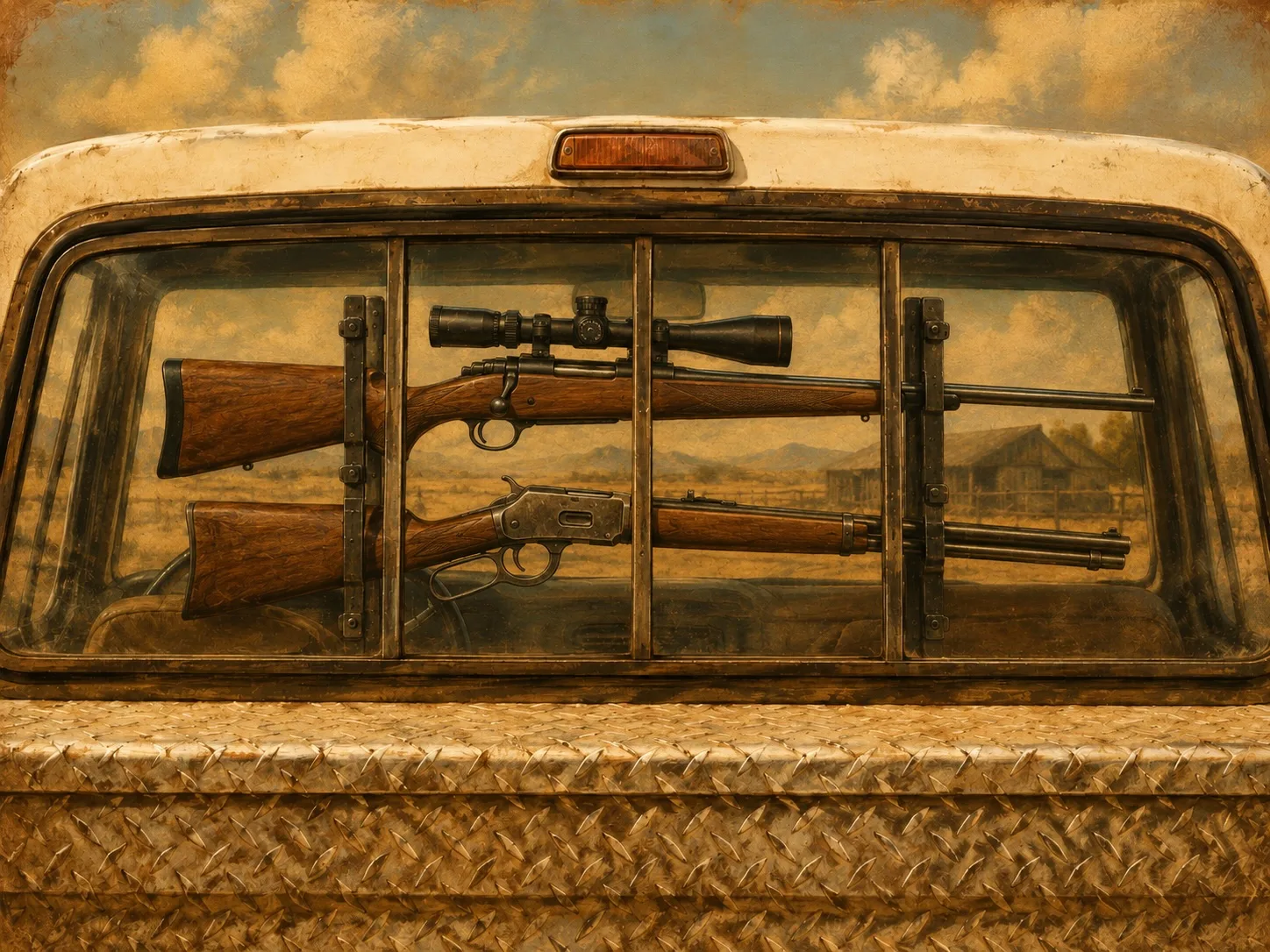
Another key element as to why the lever action rifle works so well for ranch work is its ergonomics and how it fits into a vehicle. With a 20-inch barrel and slimmer frame than most rifles, the lever action will fit behind a bench seat, or even hang from a window rack without consuming the entire cab space.
Additionally, pulling the rifle out of storage quickly and mounting it to get on target immediately isn’t difficult. Lever actions have none of the cumbersome bolt-action geometries found on other rifles, which make them more difficult to mount to bring a rifle on line quickly when needed.
Why .30-30 Still Makes Sense
The cartridge itself gets dismissed by folks who spend more time on the internet than in the field. They’ll point out that it’s slower than a .308. That it drops more than a 6.5 Creedmoor at distance. That modern bullet designs have moved past the round-nose projectiles the cartridge was designed around.
All true. And none of it matters for the work this rifle actually does.
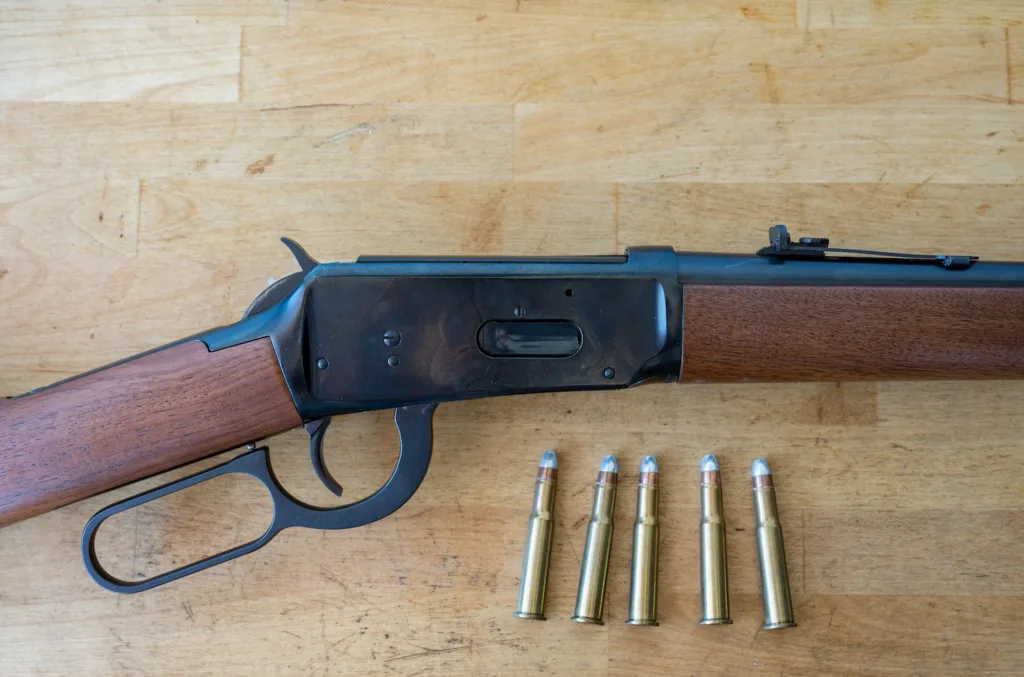
Within reasonable hunting and ranch defense distances, the .30-30 puts a 150 or 170 grain bullet exactly where it needs to go with enough energy to handle business. It doesn’t kick hard enough to bother anyone. It’s not loud enough to wake the whole county. And the ammunition is available everywhere from feed stores to truck stops, with most folks purchasing .30-30 ammo by the case to keep the trucks topped off through the seasons.
Affordable to Shoot, Affordable to Own
A used Marlin 336 in honest working condition can usually be found for somewhere between $500 and $800 depending on the year and the wear. New production rifles run a bit more, but still come in well below what folks pay for tactical bolt-action setups. Ammunition is reasonably priced compared to the trendier cartridges, and most .30-30 lever guns will shoot any standard load reasonably well without finicky tuning.
That affordability matters when you’re equipping multiple trucks. A working ranch might need three or four rifles spread across the operation. Doing that with $1,500 hunting rifles gets expensive fast. Doing it with $600 lever guns is just sensible inventory management.
The Practical Realities of Ranch Use
When you have an old ranch truck rifle you don’t baby it. That thing has been through so much heat of the summer, it will bake your eggs on the dash board. This same rifle has gone through cold nights of January, where the inside of the windshield ice’s over. The person handling this rifle uses dirty hands and drives it down dirt roads, bumpy, and rough. Occasionally they just leave the window open when they are done using it.
You don’t put a $1,200 optic scope on a bolt action rifle and take it to those conditions. Neither do you take a polymer stock tactical rifle with all its add-ons (12) accessories bolted onto it to that type of terrain.
What you need to be able to use in that kind of weather is a working tool. Something that works each and every time you want to use it without complaining about anything or having to spend money to fix it.
That is exactly what a .30-30 lever action rifle does best. In fact, it may very well have been made for that purpose.
Handling the Job Description
Predator control around livestock. Dispatching wounded animals. Dealing with feral hogs that have moved into the wrong territory. Putting down a snake too close to the porch. Backing up a deer hunter who took a marginal shot at last light.
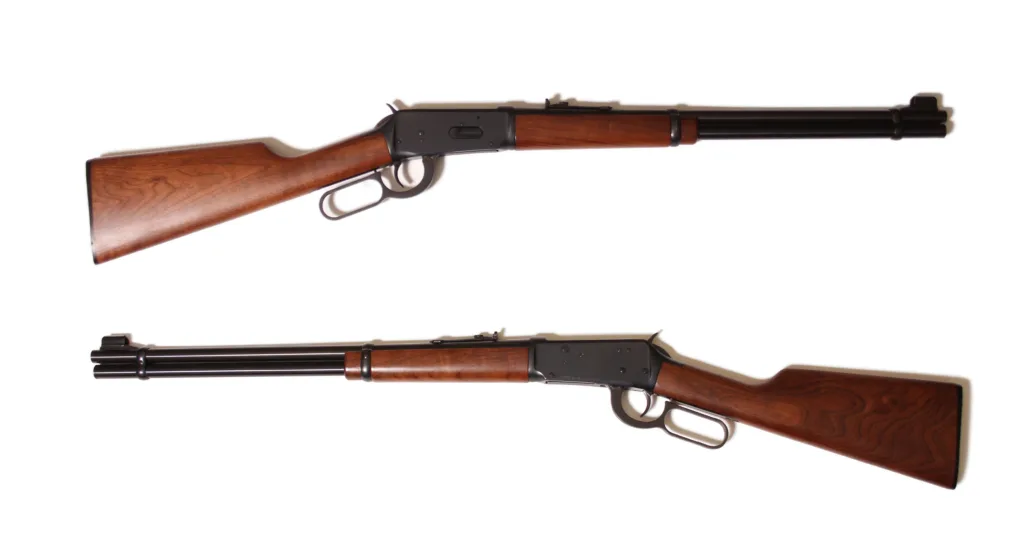
These are the kinds of jobs that a ranch rifle handles, and they’re the jobs the .30-30 has been handling for a century and a third.
Nothing about modern rifle development has actually replaced what this cartridge and platform do well. The .30-30 has been quietly outlasting trend after trend in the firearms industry, and the reason is simple. It works.
What to Look For
When building a truck rifle, you want simplicity. Don’t bother with commemorative rifles, “safe queens” (rifles that are never fired) or other such nonsense.
Look for good action cycling, a bore that’s not pitted and a stock that has at least some life left. Add a basic peep sight or an inexpensive 2-7x magnification scope to complete your build. Loop sling. Add a saddle ring if you like. Five or six rounds in the magazine, one round in the chamber and the hammer on half-cock. If done properly, that rifle will outlast the truck it is attached to and likely even the next truck too!