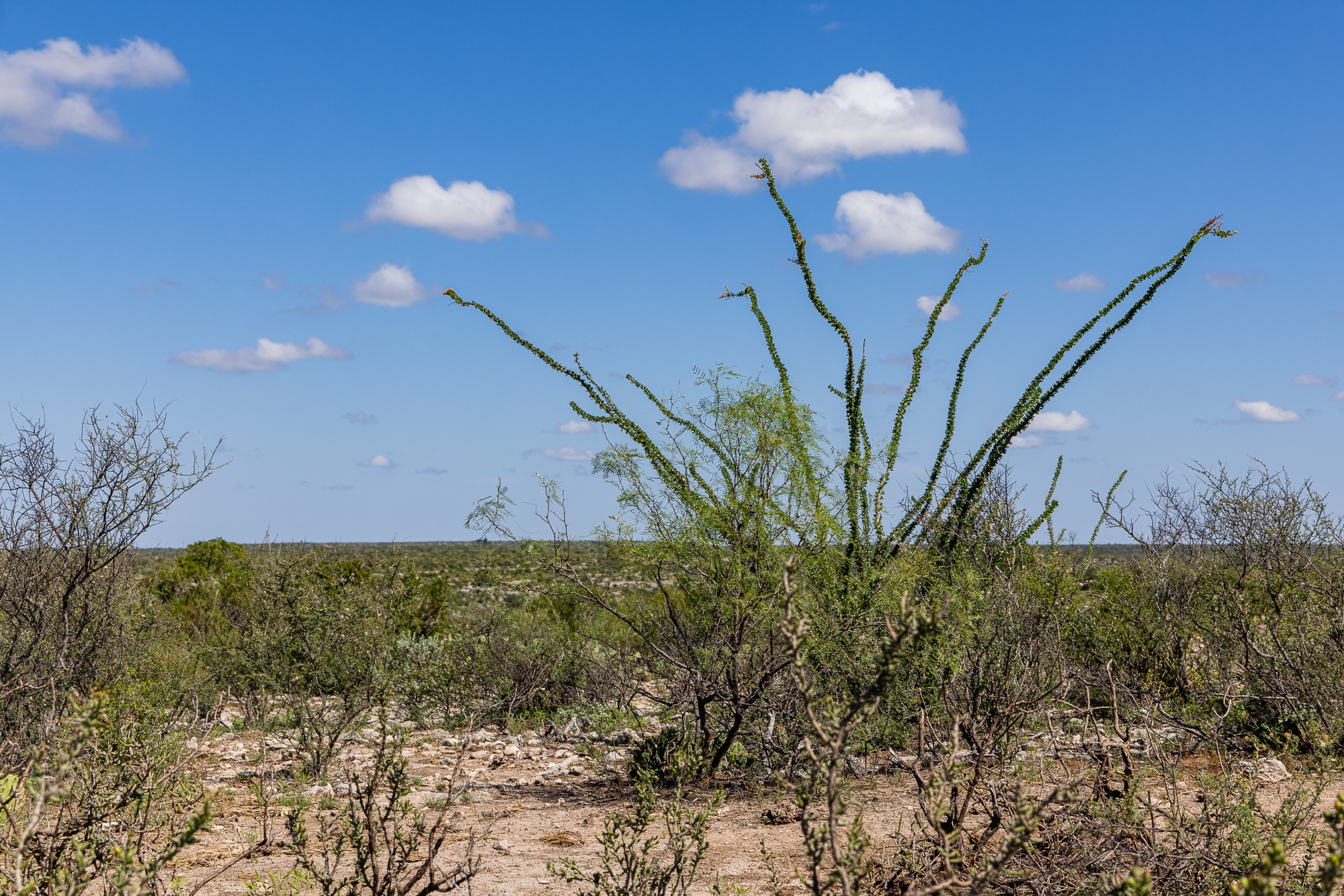
In the heart of arid landscapes, where the sun scorches the earth and rainfall is a rare luxury, stands a resilient symbol of nature’s endurance—the Ocotillo plant.
With its striking silhouette and fascinating adaptations, the Ocotillo thrives in the harsh conditions of the desert, embodying the essence of survival against all odds. Let’s embark on a journey to uncover the history, uses, and marvels of this extraordinary botanical wonder.
A Glimpse into History
The Ocotillo (Fouquieria splendens) traces its roots deep into the history of the American Southwest and northern Mexico. Indigenous peoples revered this plant for its multifaceted utility and cultural significance. Ancient tribes such as the Tohono O’odham and the Seri recognized the Ocotillo’s medicinal properties and employed it in traditional healing practices.
Botanical Marvel
At first glance, the Ocotillo appears as a bundle of tall, spiny stems reaching skyward, adorned with vibrant clusters of scarlet flowers during the springtime—a spectacle that contrasts starkly against the muted desert backdrop. Despite its seemingly austere appearance, the Ocotillo harbors a multitude of adaptations that enable it to thrive in its unforgiving habitat.
One of its most remarkable features is its ability to conserve water. During periods of drought, the Ocotillo sheds its leaves to minimize water loss through transpiration, relying solely on its green stems to carry out photosynthesis. When rain finally graces the desert, the Ocotillo quickly responds by sprouting new foliage—a testament to its remarkable resilience.
Cultural Significance
Beyond its botanical prowess, the Ocotillo holds deep cultural significance among indigenous communities. It symbolizes endurance, adaptability, and the interconnectedness of all living beings with their environment. Indigenous traditions intertwine with the Ocotillo’s presence, weaving stories of survival and resilience that have been passed down through generations.
Ecological Importance
The Ocotillo plays a vital role in its ecosystem, providing food and shelter for a diverse array of desert wildlife. Its nectar-rich flowers attract hummingbirds, bees, and other pollinators, facilitating the reproduction of numerous plant species in the desert biome. Additionally, the dense thicket of stems offers refuge to small mammals, reptiles, and birds seeking protection from predators and the scorching sun.
Practical Uses
Throughout history, humans have utilized the Ocotillo for a myriad of practical purposes. Indigenous peoples harvested its flexible stems to construct shelters, fences, and tools, harnessing its natural durability to withstand the rigors of desert life. Furthermore, traditional medicine practitioners valued the Ocotillo for its purported healing properties, employing its bark and roots to treat ailments ranging from wounds to digestive disorders.
Conservation Efforts
Despite its resilience, the Ocotillo faces threats from habitat destruction, climate change, and unsustainable harvesting practices. Conservation efforts aim to safeguard this iconic desert species, advocating for the preservation of its natural habitat and the promotion of sustainable harvesting techniques. By raising awareness and implementing conservation strategies, we can ensure the continued survival of the Ocotillo for generations to come.