Free Range
Aoudad Hunting 101
Tips and Tricks
By: Calan J. Ahrens

Barbary Sheep (Ammotragus lervia) or otherwise known as Aoudad, are originally from the dry mountainous areas of Northern Africa. Their first introductions into Texas came in the 1940’s onto various hill country game ranches in Kerr and Llano counties. Years later, Aoudad were released in the Palo Duro Canyon area, then subsequently released in several areas in the Trans Pecos region of Texas. Long story short, they have been thriving well with numbers estimated to be in the 25,000 range in the Lone Star State. With the rise of the Aoudad population, we have also seen a rise in the interest in both in state and out of state hunters for these wary creatures that call west Texas home.
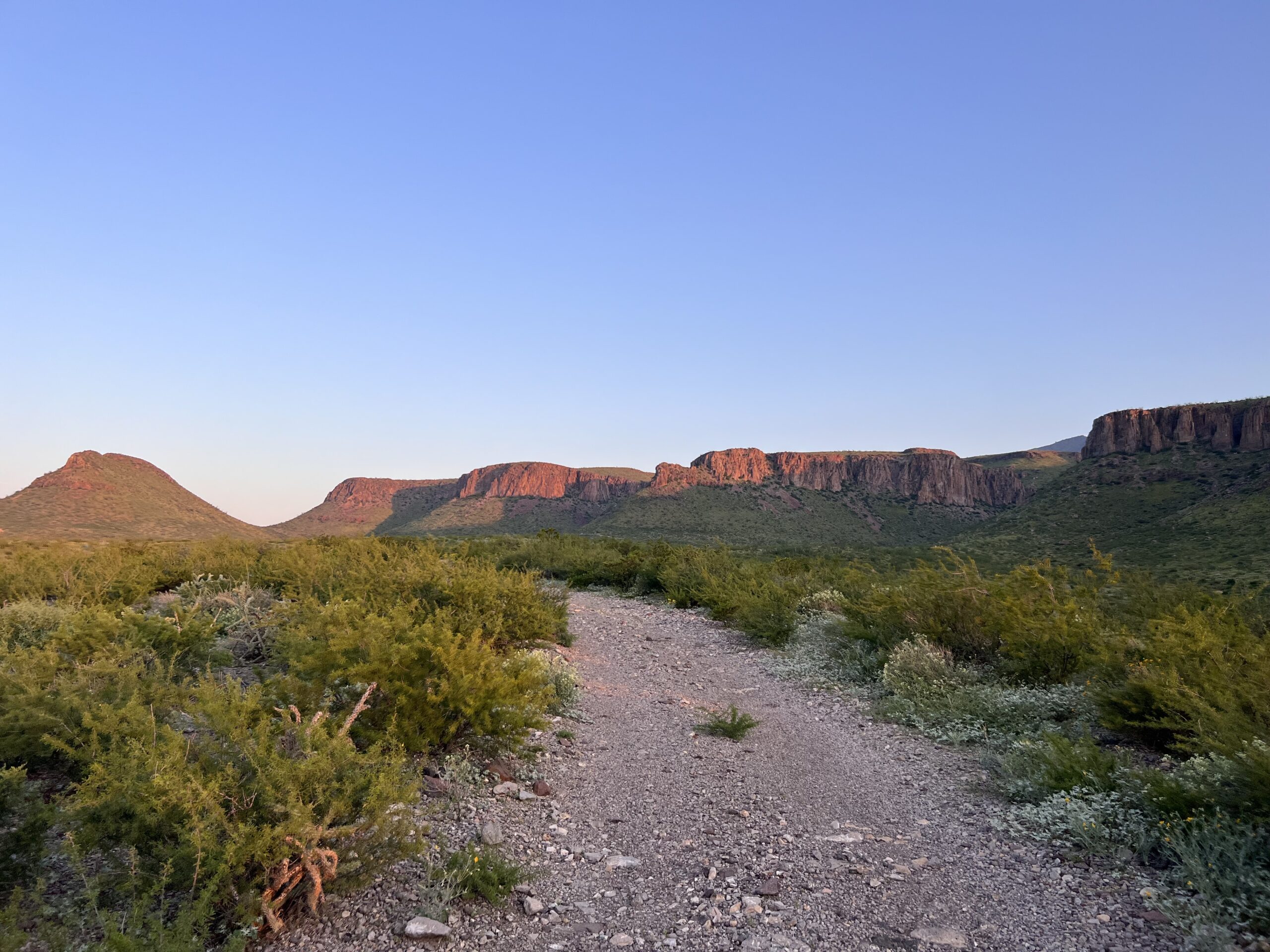
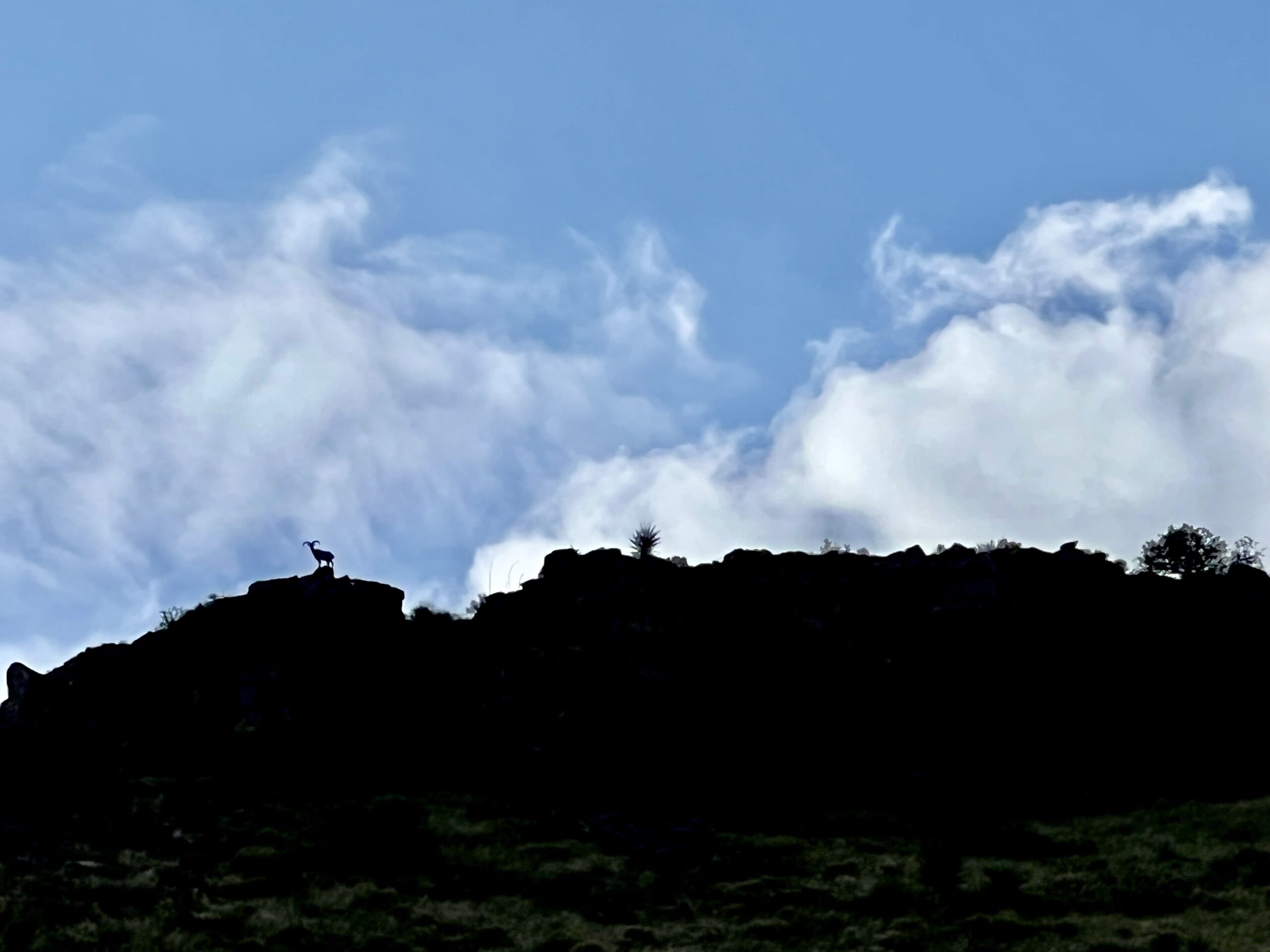
Every year, I personally guide upwards of forty free range Aoudad hunts in far west Texas in the Chinati and Davis Mountain ranges. Aoudad sheep have become extremely well adapted to the environment of western Texas which mimics their native lands. These creatures bound off rock cliffs, scale up mountain sides, and live in areas that you would think no animal could thrive. This is what makes the Aoudad a challenging hunt and a reasonably cheaper “sheep” hunting option compared to Bighorn, Dall, or Stone sheep. An Aoudad has great eyesight, a keen sense of what is going on around itself, and by far one of the best noses I have seen on an animal, much like a Cape Buffalo. So, if you find yourself out in far west Texas hunting these wonderful African animals, here is a few tips and tricks I have developed through the years and from my own experiences.
Playing the wind and terrain
When hunting Aoudad, the wind is either going to make your hunt or break it. To many times I have been on a stalk after a shooter ram, get within six or seven hundred yards and then have the wind ever so slightly switch to my back. Few moments later, the entire group of Aoudad nonchalantly pick up their heads, form into their “group huddle” and move straight up the mountain side. The main thing to remember when hunting these animals is if the wind is wrong from one direction, DO NOT approach from that direction. You will be sadly distraught when you finally get into position to take a shot, only to find the sheep have left long ago because they smelled you on the way to them. Instead, view your options and study the terrain. It might be possible to come from a different direction in which the wind is in your favor or maybe if the wind is going to switch you can wait to make your move. Don’t force a situation unless it is necessary. It is always easier to back off and try again, rather than pushing sheep off and having to find new ones. Using terrain to your advantage is another big key in Aoudad hunting. Sometimes you are above the Aoudad and it is easier to make a move on them, other times they are straight above you 1000’ and you need to hike around them and spend three hours to get into position. Study the terrain and use it in your favor. Many times coming in from the low land up to the base of a mountain, I will use creek beds or drainages to conceal myself and gain several hundred yards. Using these drainages helps break up your movements and a will keep you hidden until its game time. One thing to avoid is sky lighting or silhouetting. Aoudad can pick out movement quickly if you are up against the sky with nothing behind you to break up your body.
Shooting and shot placement
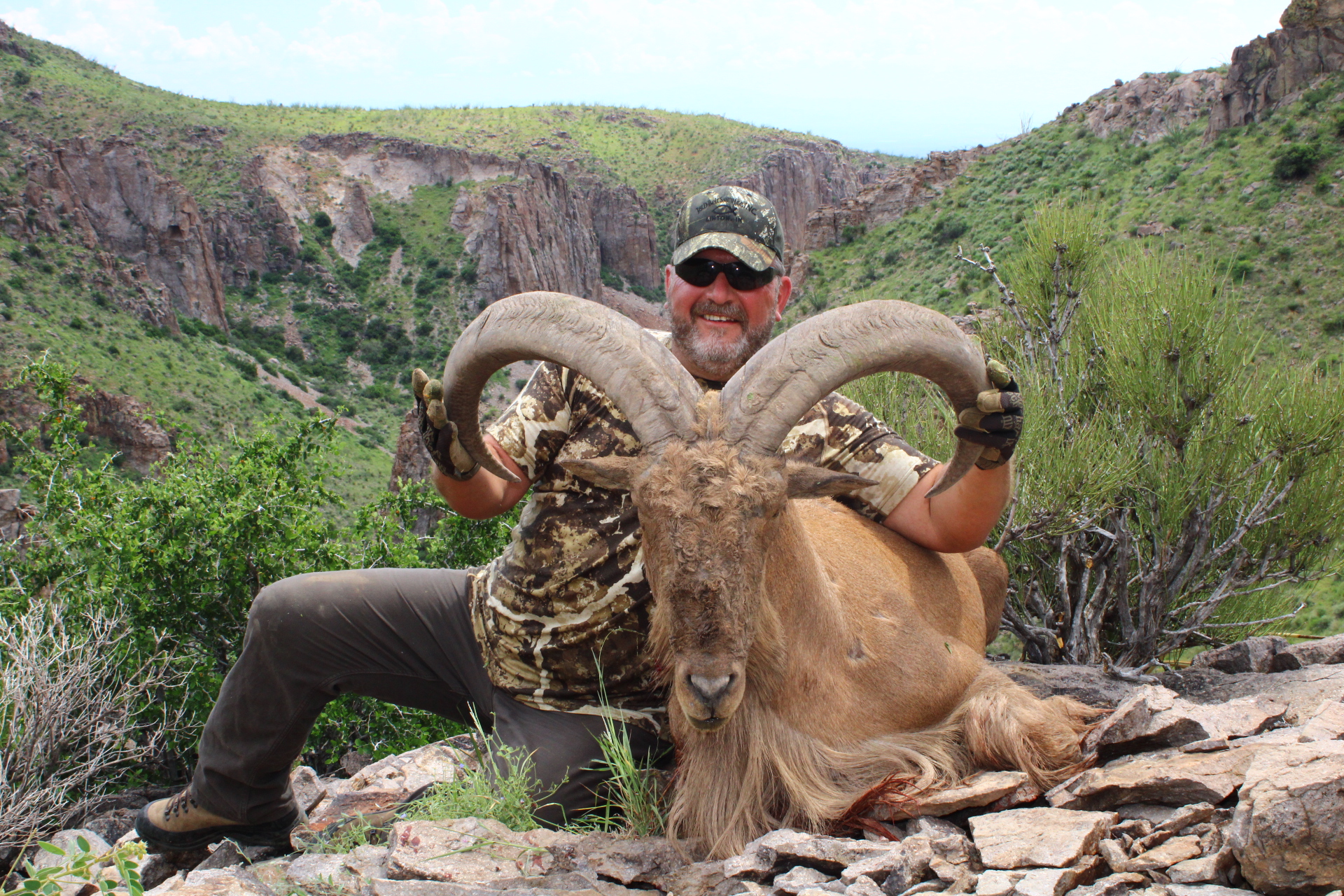
Every hunter I have had in camp over the years has mentioned to me that they would love to be able to shoot prone, off their backpack, and on a sturdy surface. In a perfect world, I would really enjoy having that opportunity! But, as much as I would like that, it just isn’t always feasible. Months before coming on a sheep hunt, I recommend that clients practice shooting at the range on a set of three-legged shooting sticks. Ideally shooting 100-200 yards in three positions; standing, kneeling, and sitting. Being able to do this and having some practice will help if you in the event you get into a situation such as having a shooter ram 150 yards away staring at you and can’t get prone on the side of the mountain to take a shot. Regarding shot placement, I always recommend shooting these big burley rams square in the shoulder. Breaking down that impact shoulder with a solid bullet ensures that animal to not run up the mountain and makes it a heck of a lot easier to get a follow up shot in if needed. Also, a .300 paired with a 180 grain Nosler or Barnes bullet is my favorite Aoudad rifle/bullet combo. NO BALLISTIC TIPS. I have seen way too many rams wounded with ballistic tips.
Being in the elements
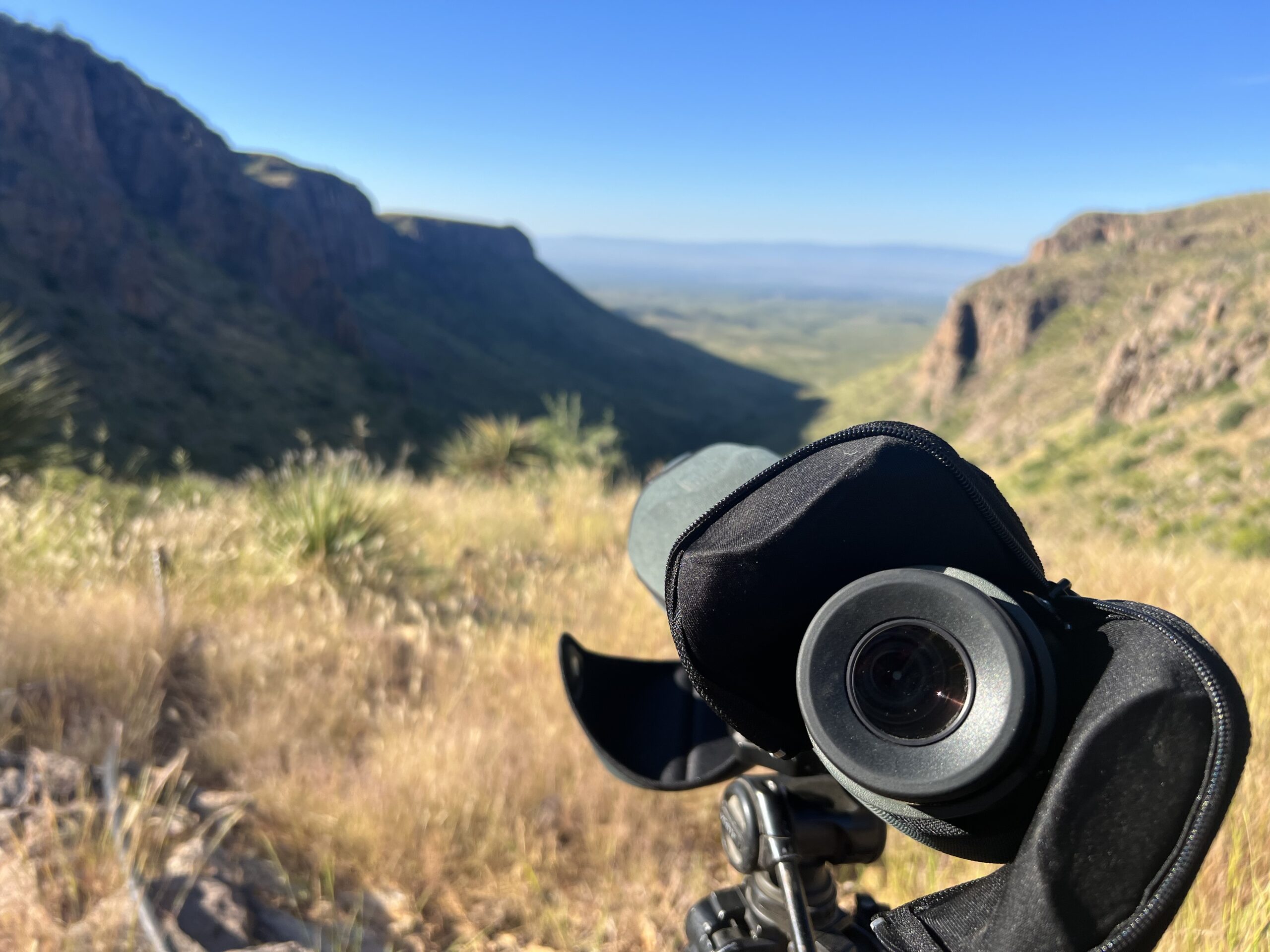
Aoudad hunting in the mountains can be a physical and mental challenge, and being in the desert elements elevates that. Always keep five to six bottles of water in your day pack if possible. The last thing you want happen is to be on a stalk and you run out of water and get dehydrated. The desert will take the moisture out of you very quickly, so be sure to keep hydrated. Also, sunscreen and chapstick will be your best friends on a sheep hunt, you’ll thank me later. Lastly, a good pair of well fitted hiking boots and trekking poles go a long way. Take care of your feet and knees, we only have two of each and no one likes to have blisters on their feet from poorly fitted boots.
Judging rams in the field
I’m sure if you asked one hundred different people on how to judge an Aoudad you would get two hundred different responses. The main thing I look for when judging Aoudad rams is overall body size and their chap hair quality and or length. Typically, we are looking at sheep over a thousand yards away through spotting scopes and there are at times several hundred sheep in a group. So, scoping out each individual sheep can be difficult and time consuming. I like to start off looking at the rams that have the biggest overall body size, then look at their chaps. Nine times out of ten, if a ram has a big body and has great chaps, he is worth looking at closer. When judging a ram’s horns, always judge the mass first. A young ram with little mass will sometimes appears long, until you walk up to it. Look for mass to stay relatively thick all the way throughout the horns to the tips. You will see a lot of older rams with broomed off or tipped horns as well. Younger rams will have mass that dwindles past the first quarter of their horn length. Another decent rule of thumb that has worked for me on judging if a ram is 30” or better is if their horn tips begin turning parallel with the ground, that’s a good indication he is right at 30”. If the ram is well past the parallel mark, get the gun out!
I hope these few tips and tricks help you in the field on your next Aoudad adventure and remember to always keep the sun at your back and the wind in your face.
· Try to have your client/hunter/huntress and the animal in some grass (but not too tall). Grass softens up the animal in pictures and gives the picture a better look. Sometimes in a flat dirt area, the animal has a stark look. So, grass is your friend when taking pictures.
· Try to utilize the sky in photos to help showcase the animal in your pictures. Often, animals’ horns/antlers get lost in the trees or habitat behind them in the pictures. I try to get different angles when taking photos, either moving myself or the animal/client into other photo taking angles (when able because sometimes on the edge of a cliff with an Aoudad ram, you won’t be moving him more than once!).
· Finally, have a designated camera (an actual camera). While technology has come a long way from polaroid and iPhone has an incredible camera, there is no replacing a great camera and the quality of photo it produces. I use a Canon Rebel T6 and it allows me to transfer photos over to my phone via Bluetooth, with cuts down the number of cameras during the “photo shoot”. There is even great pocket cameras out there at BestBuy and on Amazon that are cheaper and produce some great pictures.
I hope these tips and tricks help you the next time you are out in the field taking some photos of your next harvest. Although I have several more tips and things I do, these few bullet points I have laid out are the main ones I live by and preach to my guides. High quality photos go a long way, but so do bad ones.


Calan Ahrens is the Owner and Founder of Ahrens Ranch & Wildlife, LLC. serving several landowners encompassing 600,000 acres all over Texas for their commercial hunting, ranch management, and exotic/native game needs.